You found a crack, watched it for a while, and decided to have someone look at it. The next choice matters more than most people expect. Depending on who you call, you'll end up with a sales pitch, a line on a checklist, or an engineer's written opinion about what's happening under your house and what to do about it.
This guide covers what a foundation crack inspection includes, who can legally give you a structural opinion in California, what it costs, and what the report should say. If you're still deciding whether your crack needs a look at all, start with our guide to foundation cracks in Los Angeles.
Quick answers
- Who: for a structural opinion, a California-licensed civil or structural engineer. A home inspector can flag a crack but isn't required to judge whether the structure is adequate.
- Cost: national guides put a structural engineer's foundation inspection at roughly $300 to $1,000, more for complex homes or if plans are needed.
- Time: about 90 minutes on site for a typical house.
- What you get: a written report with photos, an explanation of what's wrong, recommendations and estimated costs.
- Free inspections: usually offered by repair companies, which have a reason to find work.
- Prep: a dated crack log and a list of other symptoms make the visit far more useful.
Three kinds of crack inspection
For the broader picture of who's legally qualified to certify a structural problem in California and what a "free" inspection offer is really selling, see our foundation inspection requirements guide.
| Who does it | What you usually get | The limit |
|---|---|---|
| Foundation repair company ("free inspection") | A visit and a repair proposal | The person judging the problem also sells the fix |
| Home inspector | A note in the inspection report that a crack or movement was seen | Not required to judge structural adequacy |
| Licensed civil or structural engineer | A written opinion on cause, severity and what to do | Costs more, and doesn't do the repair |
The free visit
Free inspections are easy to book, and some are thorough. But This Old House puts the problem plainly: "Foundation repair companies may offer free foundation inspections, but they're more likely to be biased toward getting you to use their services." A free visit can be a useful second opinion on price once you know what's wrong. In our experience, it's a poor first opinion on whether anything needs to be done.
The home inspector
California defines a home inspection as a noninvasive, physical examination, performed for a fee in connection with a transfer of real property, which covers sales and some other ways a home changes hands. It's built around buying and selling. The American Society of Home Inspectors' standard asks inspectors to look at "structural components including the foundation and framing," but it doesn't require them to "offer an opinion about the adequacy of structural systems and components." This Old House describes the difference this way: a home inspector "looks at the entirety of a home and spots surface-level problems." If your home inspector writes "recommend evaluation by a structural engineer," that's the system working as intended.
The engineer
In California, engineering is a licensed profession. State law says anyone who "practices, or offers to practice, civil engineering" must be licensed by the state board, and the legal definition of civil engineering lists work on "foundations, grading, framed and homogeneous structures, buildings" among other things. That's why an engineer's opinion carries weight with a buyer, a contractor or the building department. You can confirm any engineer's license through the license lookup from the California Board for Professional Engineers, Land Surveyors, and Geologists.
What happens during the visit
This Old House describes a typical engineer's foundation visit as lasting "about 90 minutes," during which the engineer will "Examine the exterior for signs of settling or cracking," inspect interior walls, floors and ceilings, check crawl spaces or basements for moisture, and assess the foundation's overall integrity. Bob Vila adds that this includes "getting into any crawl spaces to look for damage of any kind and checking how level the floors are and if the walls are straight." HomeGuide says a broader structural engineer home inspection "takes 1.5 to 3 hours, depending on the home's size."
In our experience, a good crack inspection in an LA house also covers:
- Mapping every crack, not just yours. Location, length, width and which side has moved. A pattern of cracks says more than one.
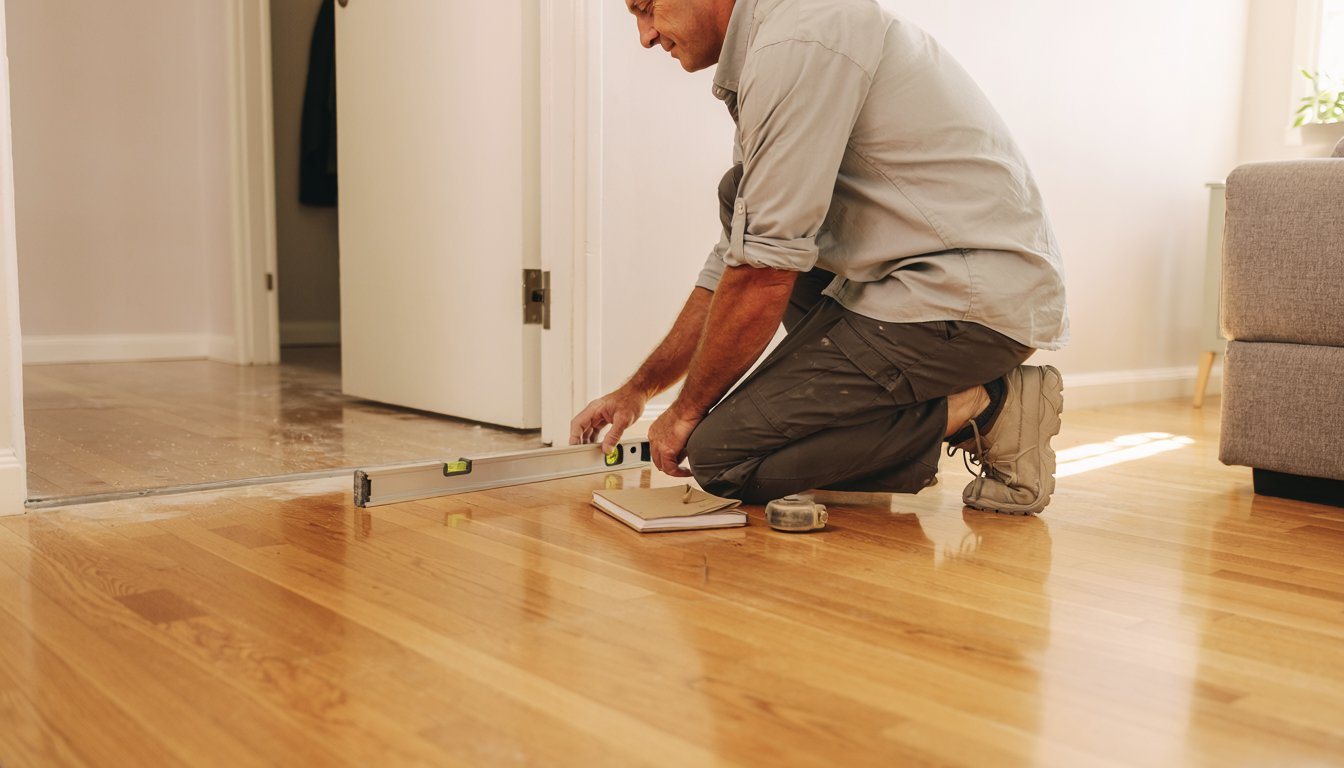
- Floor levels. Readings across the house with a level or similar tool, to see whether one area has dropped.
- Doors and windows. Sticking doors and out-of-square frames are part of the evidence.
- The crawl space in raised-floor houses. Posts, piers, sill plates, anchor bolts and signs of moisture or leaks under the house.
- Water around the house. Grading, downspouts and drainage, since water is behind many foundation problems.
- The slope, on hillside lots. Retaining walls, signs of creep and how the house sits on the grade.
What a foundation crack inspection costs
The national guides land in a similar range:
| Source | What it prices | Range |
|---|---|---|
| HomeGuide | Structural engineer foundation inspection | $300 to $750 |
| HomeGuide | Structural engineer home inspection | $350 to $900 |
| Forbes Home | Foundation inspection by a structural engineer | $350 to $1,000 |
| This Old House | Residential foundation inspection | about $600 on average, $300 to $1,000 |
| HomeAdvisor | General structural report | $350 to $800, toward $1,200 or more for foundation trouble |
| Bob Vila | Complex projects needing detailed plans | $1,000 to $3,000 |
For comparison, Angi puts a general home inspection at "$344, with prices ranging from $296 to $425." In our experience, LA engineers tend to price toward the upper half of these ranges, and hillside homes, big houses or problems that need calculations cost more. Ask up front whether the fee covers a written report, and whether a follow-up visit or repair drawings are extra.
What the report should include
This is the part you're paying for. This Old House lists what you should receive: "Photographic evidence of findings, Explanation of identified issues, Recommendations for repairs or further testing, Estimated costs for suggested repairs."
In our experience, a report that's useful to an LA homeowner and to the contractor who may do the work also answers these questions:
- What kind of foundation is it? Slab, raised floor on a perimeter footing, or hillside piers and posts.
- Where is each crack, and how big? With photos and a simple sketch.
- What's causing it? Normal shrinkage, settlement, soil movement, water or past earthquakes.
- Is it active or old? And if the engineer can't tell yet, how long to monitor and what change would matter.
- What should be done? Nothing, monitor, seal, fix drainage, or a structural repair, with enough detail for contractors to price the same scope.
- Will the repair need plans? LADBS says building plans must be approved through plan check before a permit is issued for a "Structural alteration to building or structure."
- Who wrote it? The engineer's name and license number, and a stamp or signature.
Engineers also sort cracks by severity. The UK's Building Research Establishment, for example, uses six categories and says "categories 0, 1, and 2 with crack widths up to 5mm can be regarded as 'aesthetic' issues that require only redecoration." Ask which scale your engineer uses, so a later reading can be compared with this one.

Hiring the engineer: what to ask when you book
Many engineers price a foundation visit over the phone, and the questions you ask then decide whether the fee buys the report you need. In our experience, these are the ones that matter:
- Do you do residential foundation evaluations regularly? Some structural firms work mostly on commercial buildings. You want someone who sees raised-floor and slab houses often.
- Is the visit visual only, or does it include floor elevations? A set of floor readings costs more time but gives a baseline you can compare against later.
- Is a written report included in the fee? And is it a letter with findings, or a report with photos, a sketch and recommendations?
- Do you have any tie to a repair company? An independent engineer has no stake in the size of the fix.
- What happens if repairs are needed? Ask whether the same engineer can prepare repair drawings for plan check, and what that costs.
When a soils engineer joins the job
Sometimes the structural engineer can see that the house moved but not why the ground moved. Expansive clay, fill that was never compacted, a leaking line under the slab, or creep on a hillside lot can each look similar from inside the house. In those cases the engineer may recommend a geotechnical investigation, with borings or test pits and lab work on the soil.
In California, that title is protected. Under Business and Professions Code section 6736.1, "No person shall use the title, 'soil engineer,' 'soils engineer,' or 'geotechnical engineer,'" unless they are a licensed civil engineer and the state board has approved them to use it, which requires at least four years of qualifying experience beyond the civil license and a separate exam. You can check the title through the same state license lookup.
In our experience, a soils investigation is a separate fee and a separate report, and it is most common on hillside lots and where repair options like piers depend on what is found at depth. If your engineer recommends one, ask what question it will answer and how the result could change the repair.
Before the inspection: make one visit count
In our experience, the homeowners who get the clearest answers come prepared:
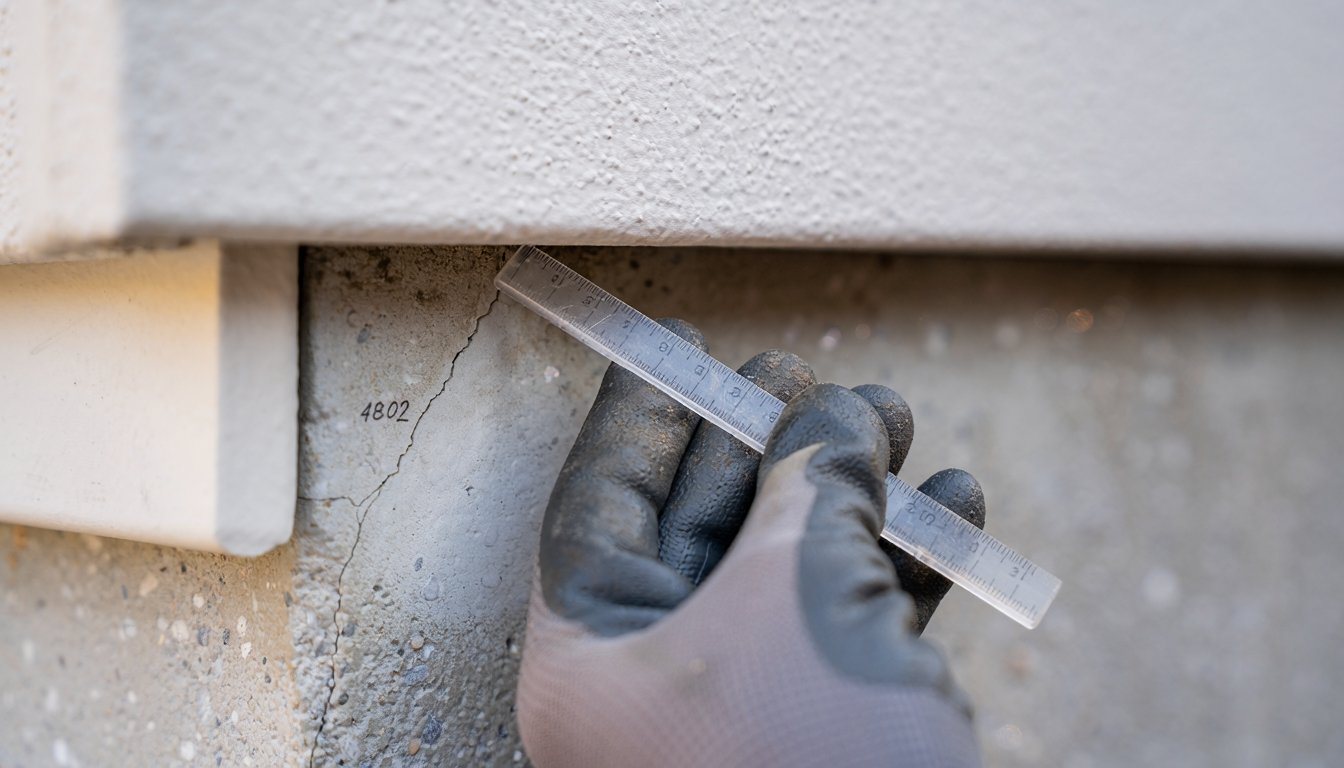
- A crack log. Pencil marks at the ends of each crack, the date written beside them, and photos with a ruler in frame. Our foundation cracks guide explains how to track a crack.
- A list of other symptoms. Doors that started sticking, new drywall cracks, gaps at baseboards, a floor that feels off, and when you noticed each one.
- Access. Clear the path to the crawl-space hatch, the water heater closet and the side yards.
- History. Past permits, earlier reports, and any repairs or leaks you know about.
- Your question, written down. "Is this safe?", "Is this getting worse?" and "What will it take to fix?" are three different jobs. Say which one you're hiring for.
If you're buying a house, in our experience the order usually runs home inspector first, then an engineer if the report flags movement. Also, the engineer's visit needs to fit inside your inspection contingency period, so book it the day the home inspection report comes back.
After the inspection
If the engineer says monitor, keep the crack log going and set a date to compare. If the report calls for repair, it becomes the scope contractors bid against, which is the easiest way to compare prices fairly. Our foundation crack repair guide explains the common fixes, and our foundation repair cost guide covers what they cost in LA.
After a damaging earthquake, the inspection works differently. Structural engineers and building inspectors use the ATC-20 procedures, which the Applied Technology Council says were "Written specifically for volunteer structural engineers and building inspectors" doing rapid and detailed evaluations of earthquake-damaged buildings, to decide whether a building can be used. That's a safety check, not a full report on your foundation, so a follow-up inspection may still make sense.
In our experience, the best order is the engineer's opinion first and the repair bids second. Before you sign with anyone, our guide on how to check a California contractor's license walks through it. Medici Construction Group is one licensed option for foundation crack evaluation and repair, holding California A, B and C-10 licenses under CSLB #1114433.
Frequently asked questions
How much does a foundation crack inspection cost?
National guides put a structural engineer's foundation inspection at roughly $300 to $1,000, with This Old House citing about $600 on average. Complex homes, or jobs that need detailed plans, can cost $1,000 to $3,000.
How long does a foundation inspection take?
About 90 minutes on site for a typical foundation visit, according to This Old House. A broader structural inspection of the whole house can take 1.5 to 3 hours. The written report usually follows later.
Can a home inspector evaluate a foundation crack?
A home inspector can find and describe a crack, and should flag signs of movement. But inspection standards don't require them to judge whether a structure is adequate, which is why they often recommend an engineer.
Are free foundation inspections worth it?
They can help you compare repair prices once you know what's wrong. As a first opinion, they come from a company that sells repairs, so an independent engineer's report is the better starting point.
What should a structural engineer's report include?
Photos of what was found, an explanation of the problem, recommendations for repair or further testing, and estimated costs. A useful report also names the foundation type, the likely cause, and whether the repair will need plans and a permit.
How do I check an engineer's license in California?
Use the license lookup from the California Board for Professional Engineers, Land Surveyors, and Geologists, and ask for the engineer's license number before the visit.