For an apartment owner in Los Angeles, the soft story retrofit starts with a letter. Once the City serves an order to comply, the code gives you two years to submit plans, three and a half years to obtain permits, and seven years to complete the work. The ordinance behind the program also states that "Transfer of title shall not change compliance dates." Selling the building hands the clock to the buyer. It does not reset it.
The City holds those dates firm for a reason. According to FEMA P-807, "In the 1994 Northridge earthquake, perhaps two hundred such buildings, containing thousands of residential units, suffered severe damage or collapsed." The engineering fix is well understood. The decisions that shape an owner's cost and stress are timing: when to bring in the engineer, and which ways of paying for the work to line up before construction starts.
Quick answers
- Which buildings are covered? Per LADBS, wood-frame buildings of two or more stories, built under codes enacted before January 1, 1978, with ground floor parking or similar open space. Residential buildings with three or fewer units are exempt.
- What are the deadlines? 2 years for plans (or proof of a previous retrofit), 3.5 years for permits, 7 years to finish, all counted from the order.
- What does it cost? A University of Colorado Boulder study puts LA retrofits at $80,000 to $160,000 per building, or about $11,000 per unit. Our seismic retrofit cost guide breaks this down further.
- How do owners recover the cost? A tenant pass-through through LAHD, a property tax exclusion, PACE financing, and (in open years) a state grant. More on each below.
- What if you miss a date? Ordinance 183893 makes a violation a misdemeanor.
What a soft story is, and why LA made the fix mandatory
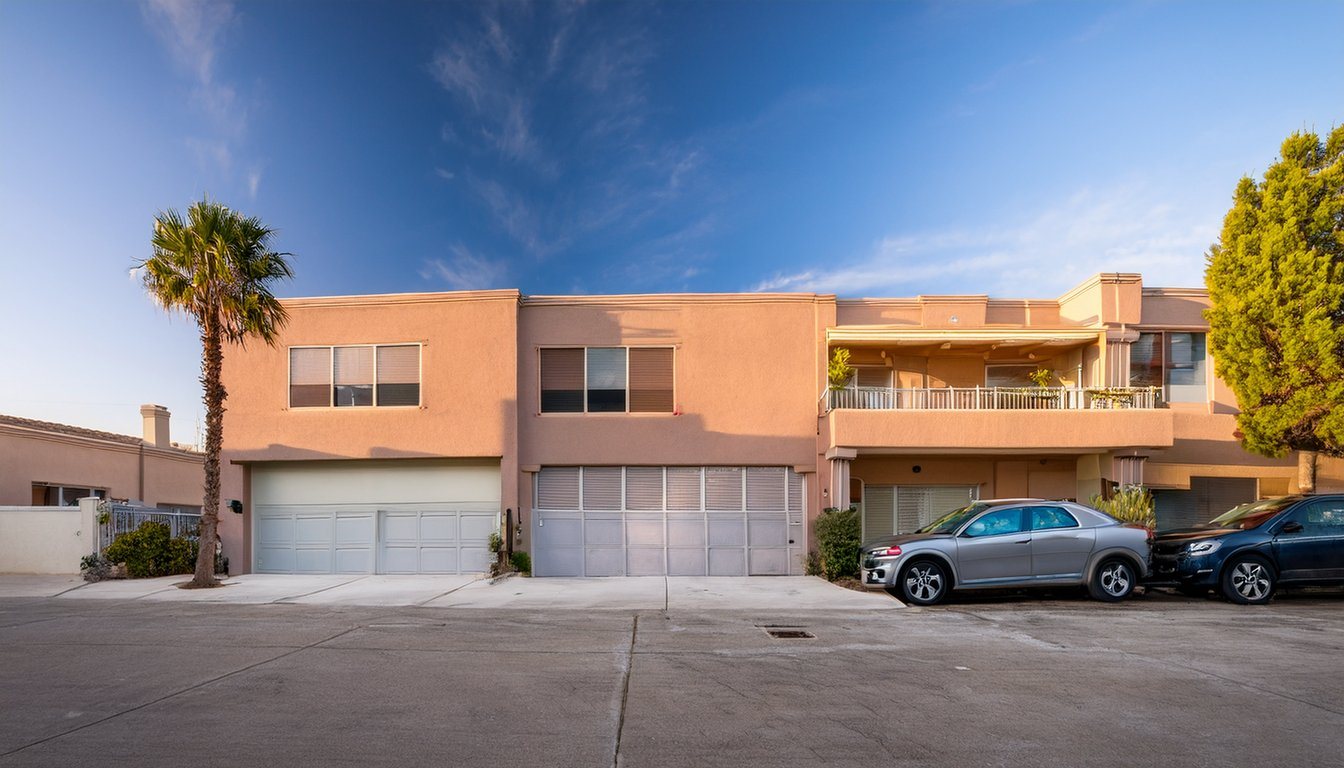
A soft story, which FEMA P-807 prefers to call a weak story, is a ground floor with far less strength and stiffness than the floors above it. The usual cause is an open front: parking stalls or storefront glass where solid walls would otherwise be. In an earthquake, FEMA P-807 explains, "the lateral deformations become concentrated within that story, instead of being distributed efficiently over the height of the structure." The ground floor sways, the posts tilt, and the units above can drop onto the cars.
The textbook example is the Los Angeles building type FEMA P-807 names directly: "apartment buildings with tuck-under parking, such as those significantly damaged by the 1994 Northridge earthquake in Southern California."
The City's ordinance, No. 183893, followed in 2015. The University of Colorado Boulder study counts 8,100 soft-story apartment buildings being retrofitted, protecting 117,000 housing units, and estimates the benefits at "32 to 1, meaning $32 saved per $1 of up-front cost."
Which buildings the soft story retrofit ordinance covers
The LADBS Soft-Story Retrofit Program applies to buildings that meet all three conditions:
- "Consist of 2 or more stories wood frame construction"
- "Built under building code standards enacted before January 1, 1978"
- "Contains ground floor parking or other similar open floor space"
LADBS adds: "The program does not apply to residential buildings with 3 or less units."
The same ordinance sets up a separate program for older non-ductile concrete buildings under a different division of the code.
If you are not sure whether your building is on the City's list, LADBS gives a direct line: the "Soft-Story Retrofit Unit at (213) 482-SOFT (7638)." In our experience, the fastest way to confirm status is to call with the address and ask whether an order has been issued and on what date. That date sets everything else.
The three soft story retrofit deadlines
The City ordinance behind the program (No. 183893, Section 91.9305) sets three milestones, each measured from service of the order. The LADBS program page summarizes them this way:
| Deadline | What LADBS requires |
|---|---|
| 2 years | "Submit proof of previous retrofit, or plans to retrofit or demolish" |
| 3.5 years | "Obtain permit to start construction or demolition" |
| 7 years | "Complete construction" |
The clock runs from the date the order is served, and a sale does not move it: the ordinance says "Transfer of title shall not change compliance dates." A buyer inherits whatever time is left. In our experience, buyers and lenders ask about the order early, and a building with a permit already issued is simpler to sell than one with a year left to file plans.
A working timeline: when to hire the engineer
The first deadline is an engineering deadline. LADBS says "all plans and structural analysis must be submitted" to the Soft-Story Retrofit Unit, and that "The entire story must be analyzed and designed." The program accepts designs under FEMA P807, IEBC Chapter A4 or ASCE 41.
That work belongs to a licensed engineer. Berkeley's retrofit guidelines, as one example of how California cities handle it, require that drawings be "prepared by a registered design professional and ... stamped and signed prior to permit issuance," and that the designer perform structural observation during construction.
Working backward from the two-year mark, in our experience a sensible sequence looks like this:
- Months 1 to 3: Confirm the order date, pull any old permits and drawings, and hire the engineer. Ask for a site visit that looks at the foundation along the open front.
- Months 3 to 12: Engineer's analysis and design. Decide which method fits and how much parking you can keep. Get a contractor to price the design before it is final, so changes are cheap.
- Before month 24: Submit plans. Plan check comments come back and the engineer responds.
- Before month 42: Pull permits. File the Tenant Habitability Plan with LAHD (see below).
- Construction: For a typical building, one engineering firm describes the construction phase as usually 2 to 4 months of the overall timeline.
In our experience, owners who wait until year two to hire an engineer are the ones who end up rushing design and paying for it.
Retrofit methods: moment frames, cantilever columns and shear walls
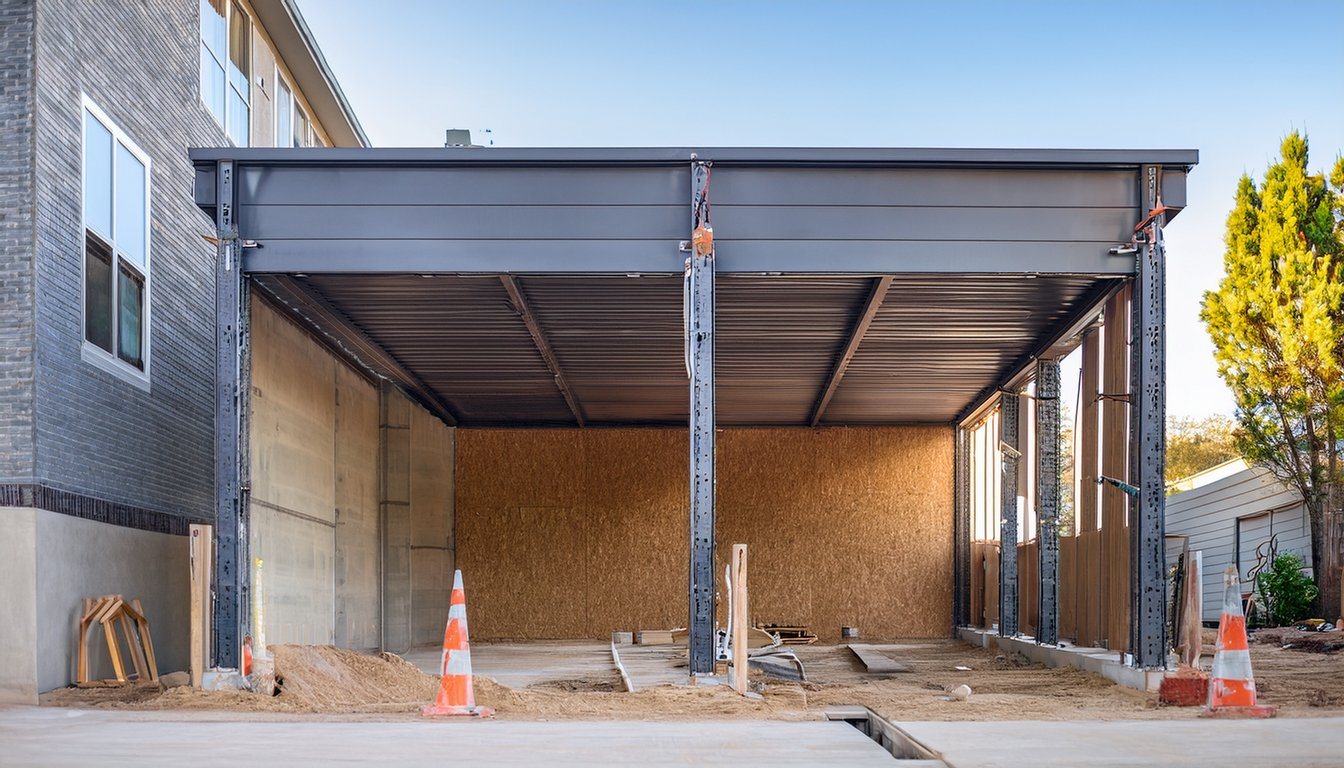
According to STRUCTURE magazine, "Common retrofit options include adding new steel moment frames, steel cantilevered columns, wood-structural-panel shear walls, proprietary systems or, in some cases, a combination of these systems."
- Steel moment frames are rigid steel rectangles placed across the open parking front. They resist sway while keeping the opening clear for cars. On City of Los Angeles permits, check that the steel shop is on the LADBS roster; see our guide to LADBS approved fabricators.
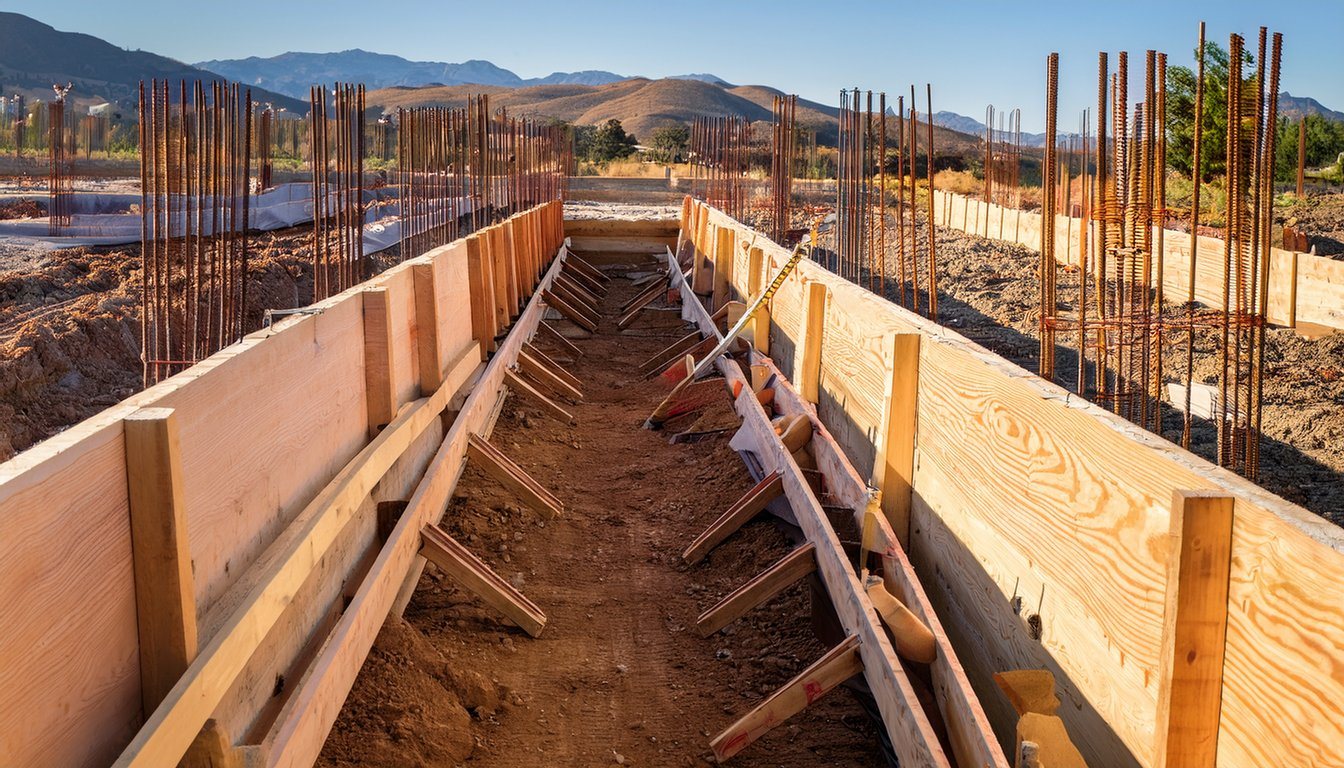
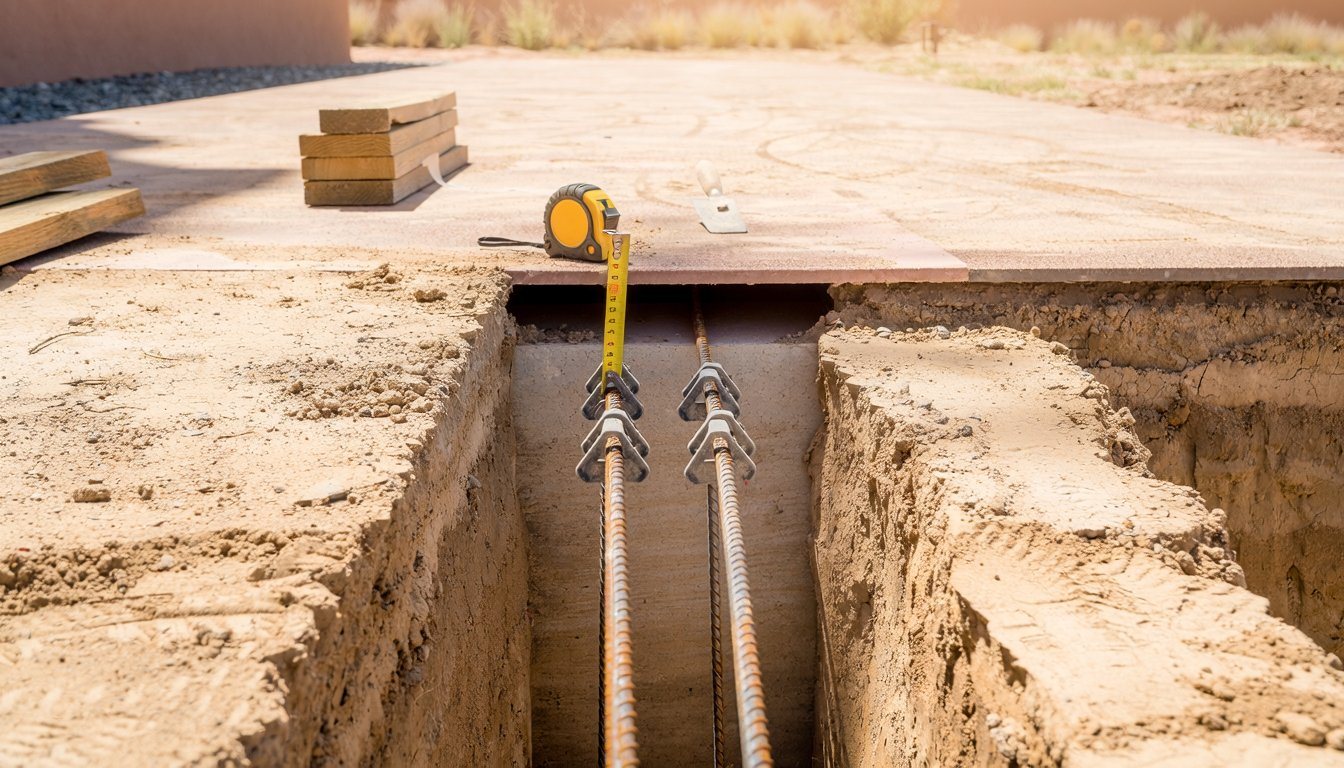
- Steel cantilever columns are, in STRUCTURE's words, "cantilever columns cast into reinforced concrete grade beams along the open front." They take less room than a full frame but need a strong foundation beam.
- Plywood shear walls add strength along existing walls. STRUCTURE describes full-story schemes with "new plywood shear walls in both orthogonal directions applied to the inside of existing wood-frame walls."
Two findings from the same article are worth knowing before you choose. The new system's foundation should "be tied to the existing foundation system to minimize the possible negative effects of sliding, uplift, and overturning." And in the analysis STRUCTURE reports, FEMA P-807 retrofits consistently gave "notably better performance than line or optimized line retrofits." In our experience, the right mix depends on how wide the open front is, how many stalls you need to keep, and what the engineer finds under the slab.
What a soft story retrofit costs
The University of Colorado Boulder study puts LA soft story retrofits at "between $80,000 and $160,000 per building in today's dollars, or about $11,000 per housing unit," and estimates that owners have spent "about $1.3 billion" in total. In our experience, the number of open bays, the foundation work and the amount of finish repair drive where a building lands in that range. Our seismic retrofit cost guide compares soft story buildings with other retrofit types.
The cost-recovery stack: four ways to pay for it
The four below are separate programs, and an owner may be able to combine several of them. Check eligibility for each before construction starts, because some have filing windows.
1. Tenant pass-through (LAHD)
For rent-stabilized units, the Los Angeles Housing Department allows "A pass-through of up to 50% of total seismic retrofit costs divided equally among all rental units," with "A maximum rent increase of $38 per month for 120 months." LAHD says recovery can continue past 120 months "until the full approved amount is collected." Confirm the current figures with LAHD when you apply, since program amounts can change.
2. Property tax exclusion (R&T Code 74.5)
Under Revenue and Taxation Code Section 74.5, seismic retrofitting improvements are not treated as new construction for property tax purposes, per the State Board of Equalization. The catch is paperwork timing: owners must "notify the assessor prior to, or within 30 days of, completion of the project," and documentation must be "filed with the assessor not later than six months after completion." The claim form is the BOE-64. The exclusion does not follow the property to a new owner.
3. PACE financing
PACE loans are repaid through the property tax bill. Ygrene, one PACE provider, says the amount financed is "repaid over the long term, up to 30 years," and that it serves "commercial property owners in L.A., Santa Monica, West Hollywood, and San Francisco." Compare rates and terms with a conventional loan before signing.
4. The Earthquake Multi-Unit Retrofit (EMR) grant
The state's EMR program has offered, per the California Apartment Association, "grants of up to $49,600" covering "up to 70% of eligible expenses." Eligible buildings are wood-framed, built before 1991, with five to ten units and tuck-under parking, in a city with a mandatory ordinance; Los Angeles is on the list. The 2026 application window ran through September 30, 2026.
Tenants during the work
LAHD requires a Tenant Habitability Plan for retrofit projects: "After permits are pulled, it is required for you to fill out the Tenant Habitability Plan (THP) online application." The plan explains how you will limit disruption to tenants during construction.
Most retrofit work happens at the ground floor. Describing its San Jose projects, ProStruct Engineering says its "retrofit construction timeline is designed to minimize disruption, with work typically occurring in phases", though ground-floor units or units next to the work may need temporary relocation during some phases. In our experience, the biggest friction in LA is parking: stalls are blocked while frames and grade beams go in, so plan temporary parking and give tenants the schedule early.

What happens if you miss a deadline
Ordinance 183893 states that it is unlawful "to maintain, use or occupy any building within the scope of this division that fails to meet the minimum earthquake standards," and that anyone who violates it "is guilty of a misdemeanor." In our experience, enforcement tends to escalate over time rather than start at the harshest step, but a missed date also shows up when you try to refinance or sell.
Other cities and LA County
The LADBS program applies to buildings in the City of Los Angeles. Several neighboring cities have their own mandatory soft story ordinances, with their own lists and dates. The CAA's list of EMR-eligible cities, which requires a city with a mandatory ordinance, includes "Beverly Hills, Burbank, Culver City, Los Angeles, Pasadena, Santa Monica, Torrance and West Hollywood." If your building is in one of those cities, go by that city's rules, not LA's. If you own a commercial building rather than an apartment, our guide to commercial seismic retrofit covers the other building types these programs list and the lender reports that often force the work.
For unincorporated LA County, the Apartment Association of Greater Los Angeles reported that the Board of Supervisors moved to "conduct an inventory of all soft story residential property." Check with LA County Public Works for the current status before assuming a County deadline applies.
Hiring for a soft story retrofit
You will need a structural engineer for the design and a licensed contractor to build it. Questions worth asking both:
- How many LA soft story projects have you completed, and can I see the permits?
- Which method do you recommend for my open front, and how many stalls will I keep?
- Does your price include foundation work, finish repair and the engineer's site observations?
- Can you work around tenants and give me a schedule for the Tenant Habitability Plan?
Check any contractor's license before you sign. Our guide on how to check a California contractor's license walks through it. Medici Construction Group is one licensed option for soft story retrofits, holding California A, B and C-10 licenses under CSLB #1114433 and is listed in the California Residential Mitigation Program's Earthquake Multi-Unit Retrofit (EMR) Contractor Directory. Whoever you hire, start with the order date and count backward.
Frequently asked questions
What is a soft story retrofit?
A structural upgrade that strengthens a weak ground floor, usually one with open parking, using steel moment frames, cantilever columns, plywood shear walls or a mix. FEMA P-807 describes the problem as deformation concentrating in that first story during an earthquake.
What are the soft story retrofit deadlines in Los Angeles?
From service of the order: 2 years to submit plans or proof of a previous retrofit, 3.5 years to obtain permits, and 7 years to complete construction, under LAMC Section 91.9305.
Does selling the building change the retrofit deadline?
No. LAMC 91.9305 says "Transfer of title shall not change compliance dates." The buyer takes over whatever time remains.
When should I hire a structural engineer for a soft story retrofit?
In our experience, within the first few months after the order. Plans are due at year two, and design, contractor pricing and plan check responses all take time.
Does a seismic retrofit raise my property taxes?
Qualifying seismic retrofit work is excluded from reassessment under R&T Code 74.5. Notify the assessor before or within 30 days of completion, file documentation within six months, and use form BOE-64.
What happens if I miss a soft story retrofit deadline?
Ordinance 183893 makes it a misdemeanor to maintain or occupy a covered building that does not meet the standards. Call the LADBS Soft-Story Retrofit Unit at (213) 482-7638 before a date passes.
Do tenants have to move out during a soft story retrofit?
Usually not. Most work is at the ground floor and is often done in phases, though ground-floor units or units next to the work may need temporary relocation. LAHD requires a Tenant Habitability Plan after permits are pulled.