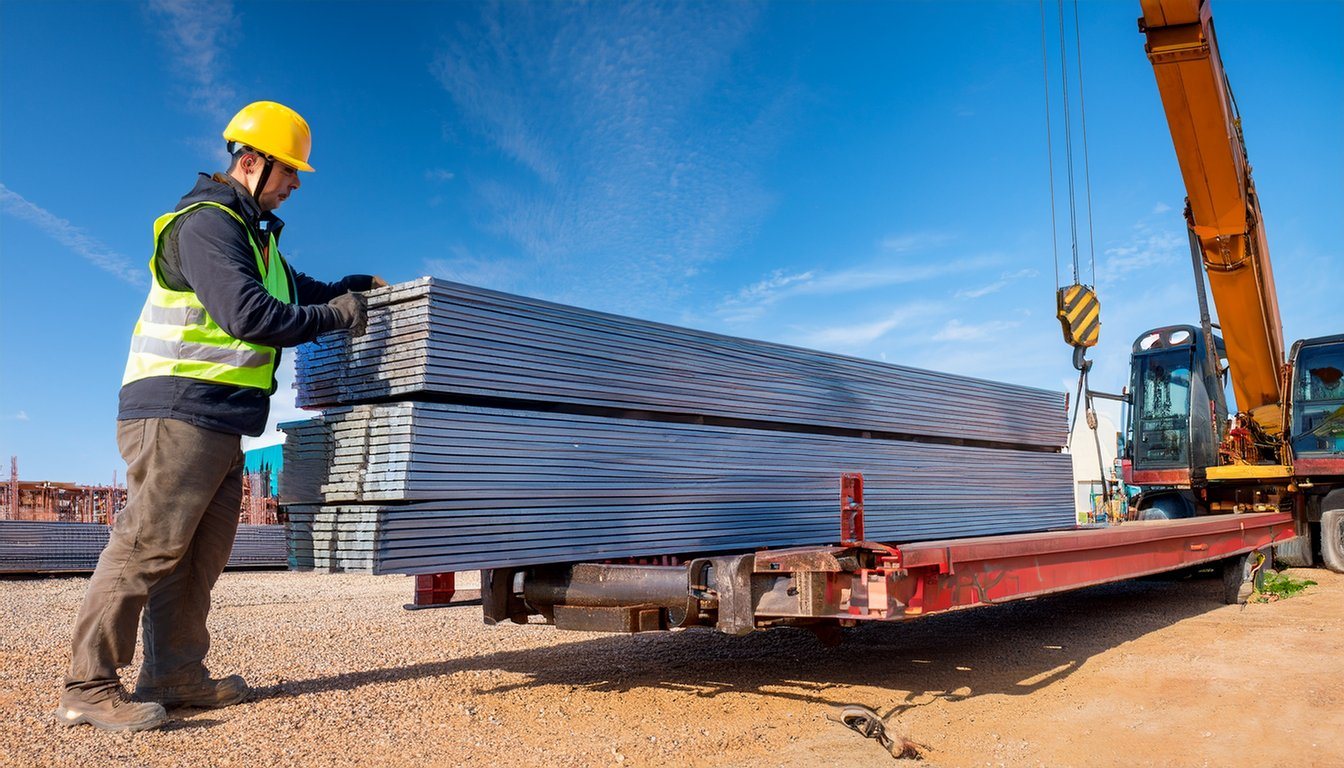
The steel beams show up on a flatbed, the crane is booked, and the inspector asks a simple question: which shop fabricated these, and is it approved by the Los Angeles Department of Building and Safety? If the answer is yes, the pieces carry the shop's LADBS label and the job moves on. If the answer is no, in our experience the steel can sit while everyone works out how the shop work gets accepted, and the crane, the crew and the schedule wait with it. The approval belongs to the fabricator, but the consequences land on the project. This guide explains what an LADBS approved fabricator is, why it matters to an owner, how to check the roster, and what the rules say when a shop isn't on it.
Quick answers
- What it is: a fabrication shop approved by LADBS under Section 96.204(g) of the Los Angeles Municipal Code, which LADBS calls a Type I Fabricator.
- What it does: LADBS says an approved fabricator's facilities and quality program are "exempt from specific inspections" that the same work would need if done on site.
- Where to check: LADBS publishes an approved fabricators roster online.
- If the shop isn't listed: LADBS rules allow a one-time approval for an unlicensed fabricator, limited to one specific location, granted "once only."
What an LADBS approved fabricator is
A lot of structural work isn't built on site. Steel beams, columns, moment frames, stairs and canopies are usually cut, drilled and welded in a shop, then trucked to the job. The city still has to be satisfied that the work meets code, even though its inspectors weren't standing in the shop when it was done.
LADBS handles that through its Materials Control section. Its materials control page explains: "When work is done at a location which, if performed on a construction site, would be subject to certain inspection requirements of the Los Angeles Municipal Code, a fabricator's approval is required." Once a shop is approved, "the facilities and quality assurance program of that fabricator are authorized to perform work and be exempt from specific inspections." The rules come from "Section 96.204 (g) of the Los Angeles Municipal Code (Fabricator Approvals)," and the same page notes that fabrication facilities inside city limits must be in a zone permitting fabrication.
In short, the approval is LADBS's way of trusting a shop's own quality control in place of watching every piece being made.
Why it matters to an owner
Owners rarely pick the steel shop directly. The general contractor or the steel subcontractor does. But the shop's status affects your project in ways you'll feel:
- Inspections. Work from an approved shop is exempt from specific inspections. Work from a shop without approval doesn't get that exemption automatically, so the project has to account for it some other way.
- Schedule. In our experience, the time to sort out an unapproved shop's work is time the rest of the job spends waiting, especially when the steel is on the critical path.
- Cost. Waiting crews and rebooked equipment cost money, and any extra inspection arrangement has to be paid for by someone. Settle who carries that risk in the subcontract.
The simplest protection is to confirm the shop's approval before the subcontract is signed, not when the truck arrives.
How to check a fabricator
- Search the roster. LADBS links its official list of approved fabricators from the materials control page, at ladbsservices2.lacity.org/MATCRoster. Search by the shop's name.
- Check the material, not just the name. Approvals can carry material-specific supplements. LADBS Information Bulletin P/BC 2026-032, for example, sets out "requirements for Los Angeles City Approved Fabricators who have been granted a supplemental approval to fabricate high strength structural steel," and says those requirements "do not apply to light gauge structural steel." Make sure the shop's approval covers what your plans call for.
- Check the label. LADBS's fabricator guidelines, Information Bulletin P/BC 2017-042 (revised January 2018), show the identification that goes on fabricated products as a label with four lines: the company name, "L.A. FABRICATOR LICENSE #" with the number, "RESEARCH REPORT # (IF APPLICABLE)" and "CITY OF LOS ANGELES APPROVED." Ask the shop what its mark looks like, and look for it on delivery.
- Check the dates. Approvals expire and are renewed. Ask for the current approval and its expiration date if the fabrication will run for months.
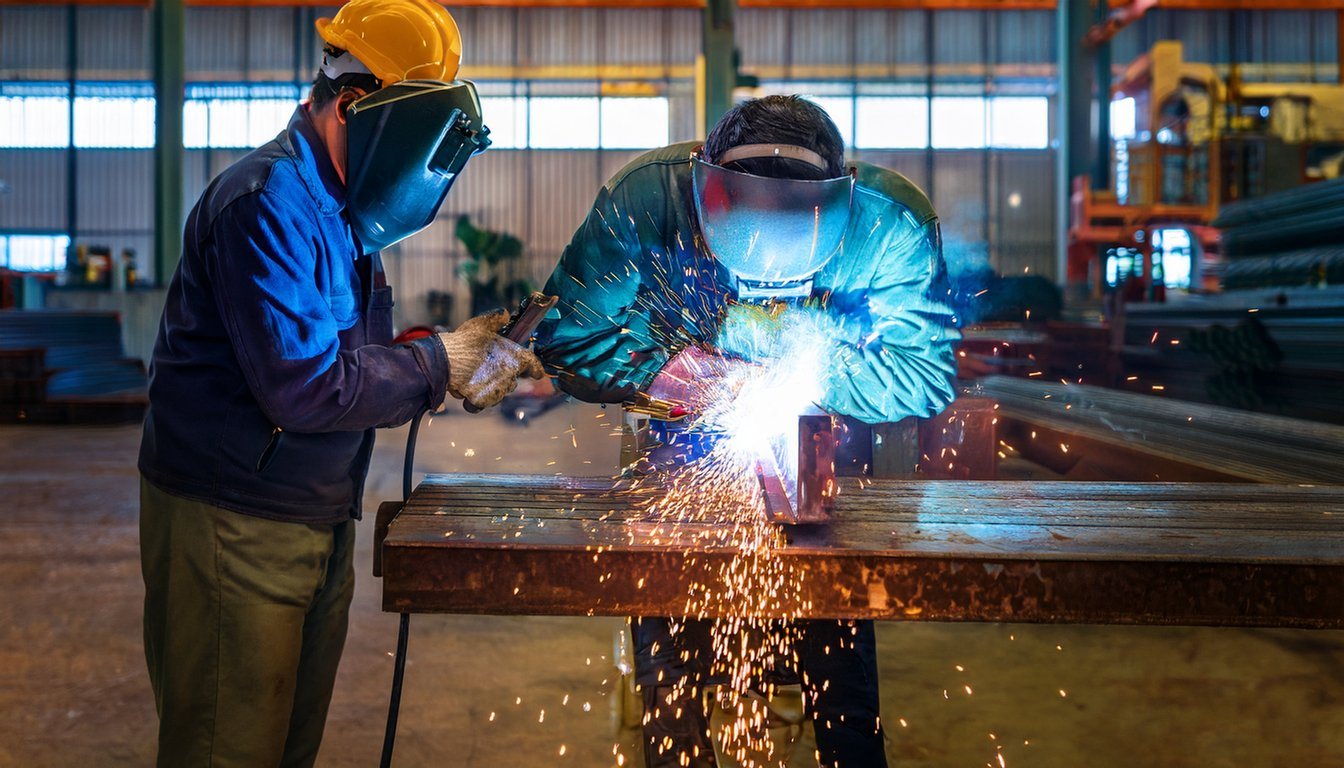
If your shop isn't on the list
LADBS's guidelines include a path for a shop that isn't approved, but it's narrow: "Materials fabricated by an un-licensed fabricator may be accepted under the following conditions. These conditions shall apply to the fabrication of structural elements regulated by the Code and to one specific location only. The fabricator shall be granted such approval once only." The bulletin then lists what the request has to include, covering the material, the plans and specifications, the fabrication process and how the work will be inspected in the plant and in the field.
There's one more opening. If the shop has already filed a complete application and paid the fees, the guidelines say "an approval as an un-licensed fabricator may be granted during approval processing."
For most owners, the practical takeaway is that a one-time approval is a fallback, not a plan. If your steel subcontractor proposes a shop that isn't listed, ask how they intend to get the work accepted before you agree to it. For railings, decorative metal and other items that may not be "structural elements regulated by the Code," ask plan check or your engineer what applies.
How a shop gets approved, briefly
You don't need to know the process in detail, but it helps to know what the approval stands for. According to P/BC 2017-042:
- The city inspects the plant. "Inspections and investigation of applications for Type I Fabricator approval shall be performed by Department personnel prior to approval of initial application or renewal."
- Quality control is independent. "Quality Control supervision shall be separate from production supervision."
- Shops far from Los Angeles have another route. "A Type I Fabrication facility located more than 60 miles from Los Angeles City Hall may be accredited to an applicable Accreditation Criteria by a nationally recognized accreditation body that operates in accordance with ISO/IEC Standard 17011."
- The fabricator pays for the city's inspections. Reimbursement for inspection charges "shall be received within 30 calendar days from the date of the billing invoice," or it's considered delinquent. We didn't find a published dollar amount for these charges.
- Approvals are renewed. The bulletin says the fabricator is notified about 60 days before its approval expires, and "Overdue renewals may be reinstated by the Department if application is made within 30 days after the expiration date."
What the building code says about shop fabrication
The LADBS program sits on top of a rule in the model building code. The International Building Code, which California's building code is based on, starts from the position that shop work gets inspected like field work. A Sammamish, Washington handout quoting IBC Section 1704.2.5 puts it this way: where structural load-bearing or lateral load-resisting members are made "on the premises of a fabricator's shop, special inspections of the fabricated items shall be performed during fabrication."
The exception is the approved fabricator. Under Section 1704.2.5.1, "Special inspections during fabrication are not required where the work is done on the premises of a fabricator registered and approved to perform such work without special inspection." The approval is "based upon review of the fabricator's written procedural and quality control manuals and periodic auditing of fabrication practices by an approved agency." LADBS's own plant inspections are the city's version of that audit.
So the real choice for a project is not approved versus nothing. It is approved shop, or a shop with a special inspector present during fabrication, paid for by the project. In our experience, that second route can work for a small one-off piece, but on a job with a lot of steel the inspector's hours in the shop add up, and the inspector's schedule becomes part of the fabrication schedule.
Paperwork to collect from the shop
The same code section gives the owner a document to expect. "At completion of fabrication, the approved fabricator shall submit a certificate of compliance to the owner's authorized agent" for the building official, stating that the work was performed in accordance with the approved construction documents. In our experience, a clean steel package for an owner's file includes:
- The certificate of compliance for each fabricated delivery, signed by the shop.
- A copy of the shop's current LADBS approval, showing the approval number and any material supplements, such as high-strength steel.
- Approved shop drawings with the engineer's review stamp, matching what was built.
- Mill certificates for the steel and bolt certifications, which the special inspector or engineer may ask for during field bolting and welding.
Make these a written deliverable in the steel subcontract, with payment for the last delivery tied to the paperwork. Field welding and bolting at the site still get their own inspections; the shop approval only covers work done in the shop.
Outside the City of Los Angeles
LADBS's program applies to projects permitted by the City of Los Angeles. Other California building departments approve fabricators under the California Building Code, often with their own paperwork. Morgan Hill's special inspection agreement is a typical example: "Each fabricator shall be approved by the Building Official. Qualifications of approved fabricators shall be in compliance with 1704.2.5.1 of the California Building Code, 2025 edition." It also requires that "The approved fabricator shall submit a Certificate of Compliance that the work was performed in accordance with the approved plans and specification to the Building Official and the Engineer or Architect of Record."
National certification is a separate thing. The American Institute of Steel Construction runs its own certified fabricator program. The LADBS documents we read don't mention AISC certification, so don't assume an AISC-certified shop is on the LADBS roster. Check the roster, and ask plan check if the question comes up.
Medici Construction Group is one licensed option for projects that include structural steel, holding California A, B and C-10 licenses under CSLB #1114433.
Frequently asked questions
What is an LADBS approved fabricator?
A fabrication shop approved by the Los Angeles Department of Building and Safety under Section 96.204(g) of the Los Angeles Municipal Code. LADBS says an approved shop's facilities and quality assurance program are exempt from specific inspections that the same work would need on a construction site.
Where is the LADBS approved fabricator roster?
LADBS links the official list from its Materials Control page, at ladbsservices2.lacity.org/MATCRoster. Search by the shop's name and confirm its approval covers the material on your plans.
Do I have to use an LADBS approved fabricator?
On a City of Los Angeles permit, LADBS says a fabricator's approval is required when shop work would otherwise be subject to certain inspection requirements on a construction site. An unapproved shop can get a one-time approval for one specific location, but only once.
What if my fabricator is not LADBS approved?
LADBS's guidelines allow a one-time approval for an unlicensed fabricator, limited to structural elements at one specific location, granted once only. A shop with a complete, paid application on file may get unlicensed approval while its application is processed. Otherwise, choose an approved shop.
Is AISC certification the same as LADBS approval?
No. AISC certification is a national program run by the American Institute of Steel Construction. The LADBS documents we read don't mention it, so check the LADBS roster rather than assuming an AISC-certified shop is approved.
How does a fabricator get LADBS approval?
The shop applies to LADBS Materials Control, and department personnel inspect the plant before approval and at renewal. Quality control has to be separate from production, and the shop reimburses the city's inspection charges. The bulletin doesn't publish a processing time.
Does using an approved fabricator mean the steel needs no inspections?
No. The approval only replaces special inspection of the work done inside the shop. Field welding, high-strength bolting and the erected frame are still inspected on site under the project's inspection program. At the end of fabrication, the shop should hand over a certificate of compliance stating the work matches the approved construction documents.
What if a shop drawing changes after the steel is fabricated?
In our experience, any change after fabrication goes back through the engineer of record, and a field fix such as an added plate or a re-drilled hole becomes field work that gets inspected on site, not shop work covered by the fabricator's approval. Catching changes at the shop drawing review stage avoids that.