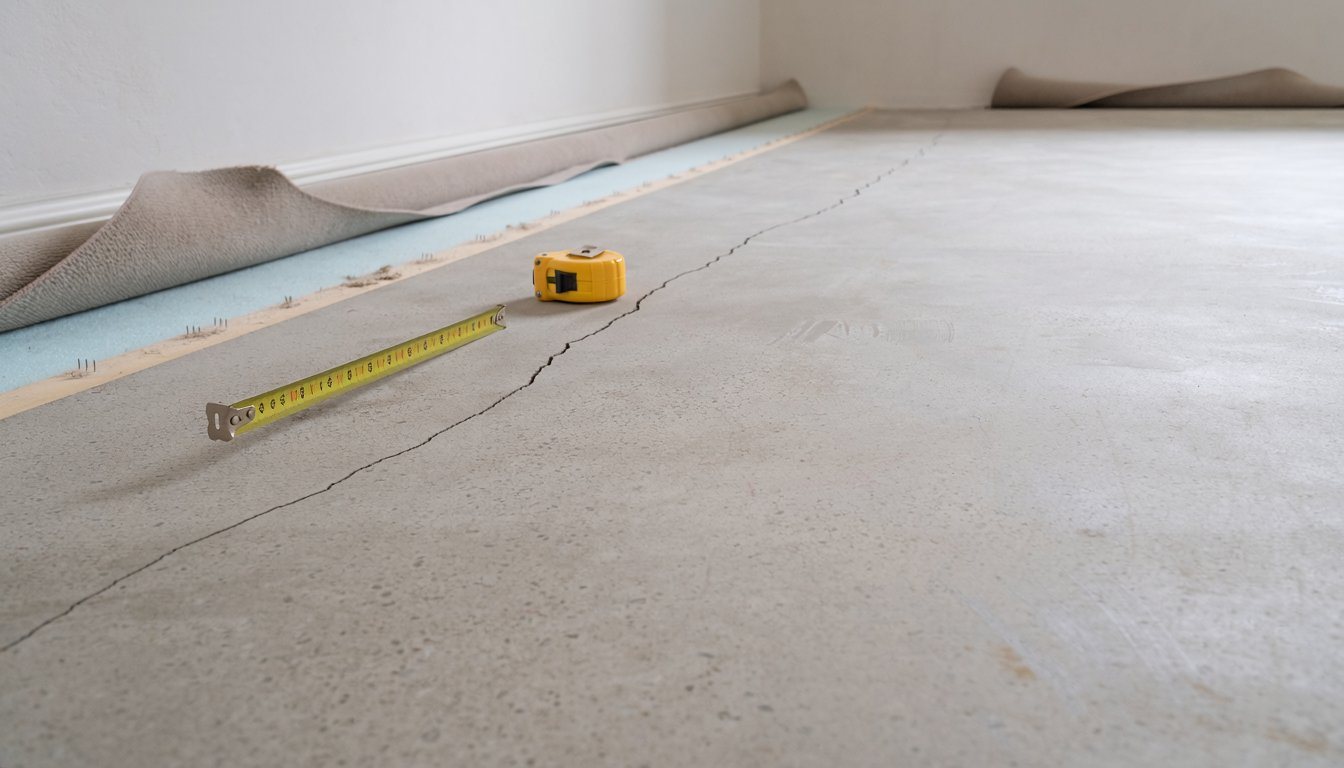
Picture two slab floors with the same diagonal crack running across the living room. Under the first, a copper supply line split and soaked the soil for a few days. Under the second, clay soil has been shrinking and swelling with the seasons for twenty years. On a photo, the cracks look identical. Under a homeowners policy, they are opposite claims. In our experience, that's the part most owners don't hear until the adjuster calls back.
Homeowners insurance doesn't decide foundation claims by the word "foundation." It decides them by cause. The policy wording sorts every foundation problem into excluded causes, such as settling, earth movement, wear and long-term seepage, and a short list of covered ones, such as a sudden water discharge or an abrupt collapse. This guide reads those clauses, then covers how to document the cause before you file, whether filing makes sense, and what California rules say if the claim is denied. It isn't insurance or legal advice; your own policy's wording controls.
Quick answers
- Usually no: settling, soil movement, age and slow leaks are excluded under standard wording.
- Sometimes yes: when a covered peril, such as a sudden pipe burst or a fire, caused the damage.
- Earthquakes: excluded from homeowners policies; you need a separate earthquake policy.
What the policy actually says about foundations
Why are foundations not covered by insurance? Generally, because the common causes of foundation damage are gradual, and the exclusions below carve gradual causes out of the policy. The clearest place to see this is the standard ISO HO-3 specimen form, which the Insurance Information Institute posts as a sample policy. Your carrier's wording may differ, but many policies follow its structure.
Among the things the specimen does not insure is "Settling, shrinking, bulging or expansion, including resultant cracking, of bulkheads, pavements, patios, footings, foundations, walls, floors, roofs or ceilings". It also excludes "wear and tear, marring, deterioration." Its earth movement exclusion reaches "Subsidence or sinkhole" and "Any other earth movement including earth sinking, rising or shifting," whether caused by nature or people. In our experience, that covers most of what moves a foundation: expansive clay, poor compaction, erosion and slopes.
Some carriers add a clause for slow water. One carrier's form on file with the Oklahoma Insurance Department excludes "Constant or repeated seepage or leakage of water or steam" over a period of 14 or more days. That's one company's form, not the standard, but in our experience a similar time limit shows up often, and it's why a leak that ran quietly for months is harder to claim than one that burst last week.
None of this means the foundation is never covered. Policygenius puts the other side plainly: a home policy "will pay for repairs to the foundation and basic structure of your home including its frame, walls, and roof when it's damaged due to a covered peril." In our experience, California carriers often use their own forms, and FAIR Plan and difference-in-conditions policies may be built differently again, so read the exclusions section of your actual policy, not a summary of it.
When insurance does pay for foundation damage
The covered cases share one trait: something sudden happened, and it was a peril the policy names or doesn't exclude. Three come up most.
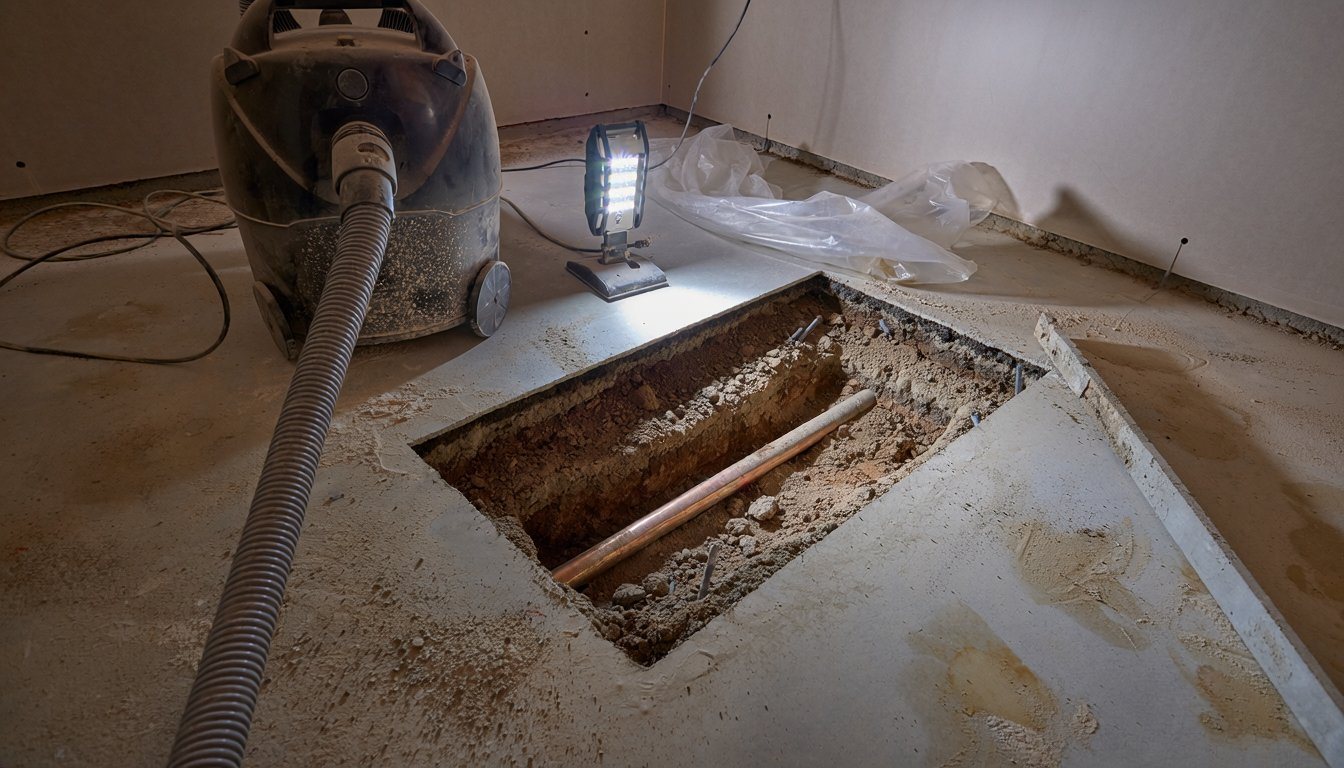
A sudden water discharge. The specimen form's water coverage includes "the cost to tear out and replace any part of a building" when that's necessary to repair the system or appliance the water escaped from. The same section adds: "We do not cover loss to the system or appliance from which this water or steam escaped." So for a slab leak, the policy may pay to open and patch the slab and repair the water damage, while the pipe repair stays your bill. Policygenius sums up the common result the same way: insurance "will often cover repairs to your slab if the cause of damage is a burst water line or another covered peril, but it typically won't pay to repair the broken pipes that caused the damage." Our guide to water under a house foundation covers where that water usually comes from.
Collapse. The specimen defines collapse as "an abrupt falling down or caving in of a building or any part of a building" so that it cannot be occupied for its current intended purpose, and it lists causes such as decay hidden from view. The form adds that a standing building is not in a state of collapse "even if it shows evidence of cracking, bulging, sagging, bending, leaning, settling, shrinkage or expansion," so a cracked or sloping floor does not qualify. Other forms word it differently, so check yours.
Other named perils. In our experience, a vehicle hitting the house, a fire, or an explosion can each damage a foundation, and those are the clearest covered cases because the cause is obvious and sudden.
Earthquakes are separate. The specimen excludes earthquake. A California Earthquake Authority homeowners policy offers "earthquake damage to your house and structures attached to it" as a coverage choice, with its own deductible. Our guide on whether a seismic retrofit is worth it explains how those deductibles and retrofit rules interact.
Why most foundation claims get denied
In our experience, denials fall into four patterns, and knowing them tells you what your evidence has to answer.
- The cause is excluded. Settling, clay soil and slope movement sit squarely in the exclusions above. No amount of paperwork changes that.
- The leak was slow. Water staining, mineral deposits and long-term soil changes point an adjuster toward "repeated seepage" rather than a sudden event.
- The damage came first. If the cracks were visible before the leak, or were noted in an inspection report when you bought the house, the insurer may argue the foundation problem predates the covered event.
- Split causes. This is the most common partial outcome we see: the insurer pays to open the slab and dry the house after a burst pipe, then its engineer attributes the floor slope to long-term settlement and denies that part.
The last pattern is where evidence matters most. When two causes are in play, the report that explains which one moved the foundation, and when, carries the claim.
Before you file: document the cause
The steps below are about proving what happened, not about the repair itself. Do them in roughly this order.
- Stop the damage. Shut off the water if a leak is involved and keep the receipts for anything you do to protect the house.
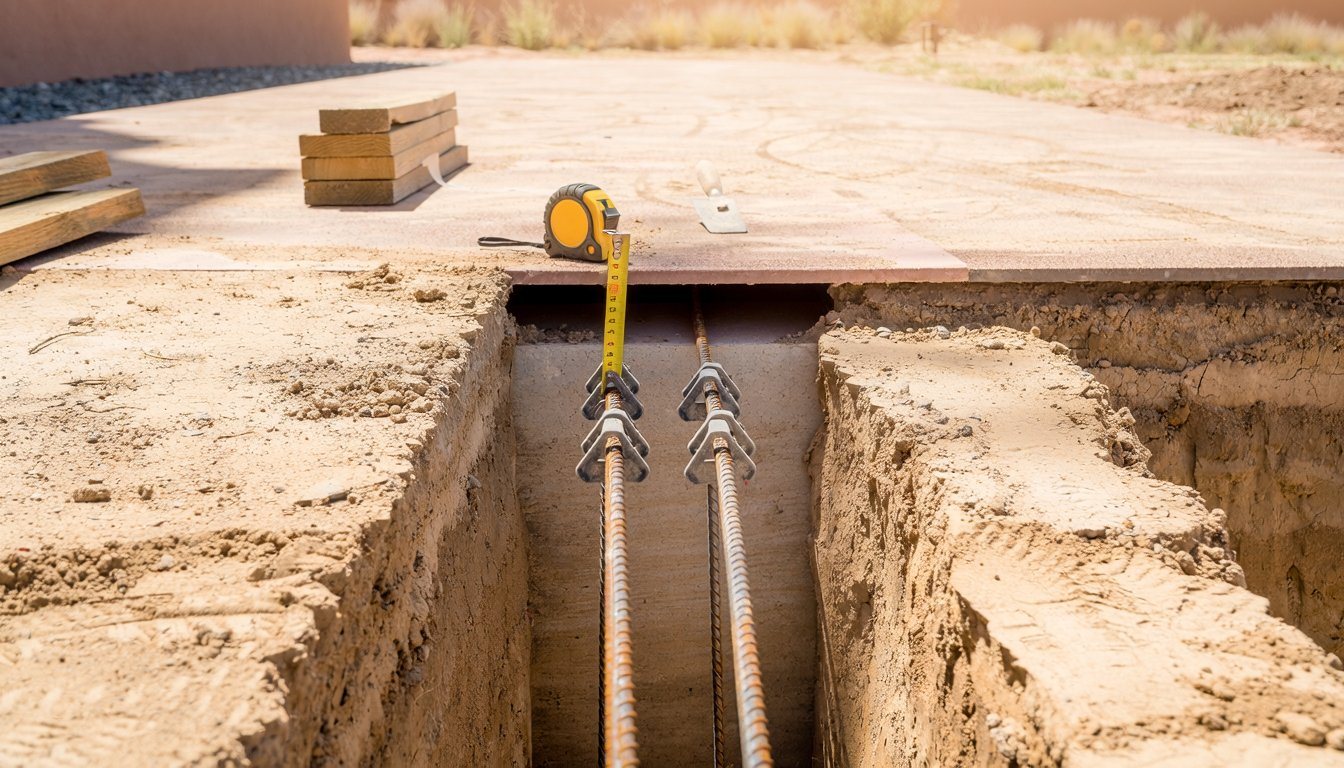
- Photograph before anything is touched. Wide shots and close-ups, with a tape measure in frame across each crack, dated. Photograph doors that stick and gaps at baseboards too.
- Write a timeline. When you first noticed each sign, when the water bill jumped, when you shut the water off. Keep old inspection reports; they can help or hurt, and the adjuster may ask.
- Get the leak confirmed in writing. A plumber's test result naming the line and location ties the damage to a specific event.
- Get a cause finding from a structural engineer. A contractor can describe what's damaged. In our experience, a licensed engineer's opinion on what caused it carries more weight with an adjuster. Ask the adjuster before hiring one whether the policy will reimburse the report; in our experience, the answer varies.
- Keep a log. California's claims guide advises: "Keep a log of all phone calls and correspondence, and make copies of all correspondence you send to, or receive from, your insurance company."
If a contractor writes up the damage for your claim, the report should do more than list repairs. In our experience, a useful one includes:
- What was observed, where, and the measured size of each crack or slope, with photos keyed to a floor plan.
- What was ruled out and how, such as a pressure test showing the other lines hold.
- Whether the damage pattern looks new or old, and why (fresh crack edges, clean breaks, no staining).
- A scope that separates access and water-damage repair from any foundation work, so each can be judged on its own cause.
- The contractor's license number and a clear line between observation and engineering opinion.
Our foundation cracks guide covers how to read cracks before anyone is called, and our foundation crack inspection guide covers what an engineer's visit includes.
Should you file at all?
A claim that is almost certainly excluded can still leave a record. The CFPB describes the LexisNexis C.L.U.E. database as a claims exchange that reports "seven years of home insurance and personal property claims, to help inform pricing and underwriting decisions for the insurance industry." The same page notes that LexisNexis provides one free report every 12 months on request.
In our experience, the practical test is simple. If the damage is clearly settling or soil movement with no sudden event, a claim is unlikely to pay. If there was a burst pipe, a fire or another sudden event, filing is usually worth it, because the access, water damage and any foundation damage tied to that event can be substantial. When you're unsure, ask your agent how the company treats claims and inquiries on your record before you describe the damage as a claim. That's a question about your policy, and only your insurer can answer it.
If your claim is denied
California's fair claims regulations set the clock. After receiving notice of a claim, an insurer generally must acknowledge it "immediately, but in no event more than fifteen (15) calendar days later". After receiving proof of claim, it must accept or deny it "immediately, but in no event more than forty (40) calendar days later". If it needs more time, it must give written notice of that need and repeat the notice every 30 days until it decides.
A denial must also be specific. The same regulation requires an insurer that denies a claim, in whole or in part, to do so in writing and to provide "a statement listing all bases for such rejection or denial and the factual and legal bases for each reason given" that is within its knowledge. That letter tells you exactly which clause the insurer is relying on, which tells you what new evidence, if any, could change the answer.
From there, owners typically ask for a copy of the insurer's engineering report, answer it with their own engineer's findings, and request reconsideration in writing. If that fails, the California Department of Insurance takes complaints through its consumer help page. Some owners bring in a public adjuster or an attorney on larger claims; this isn't legal advice, and whether either makes sense depends on the amount and the dispute.

The bottom line
Homeowners insurance rarely pays to fix a foundation that moved on its own, and it often pays when something sudden damaged it. The claim turns on proving which of those happened, so stop the damage, document the cause, and read the denial letter clause by clause if one comes. For what the work itself runs, our foundation repair cost guide has the numbers. Medici Construction Group is one licensed option for foundation evaluation and repair, holding California A, B and C-10 licenses under CSLB #1114433.
Frequently asked questions
Does homeowners insurance cover foundation cracks?
Usually not when the cracks come from settling, shrinking or soil movement, which standard policy wording excludes. Cracks caused by a covered event, such as a sudden pipe burst or a fire, may be covered. The cause, not the crack itself, decides the claim.
Does homeowners insurance cover foundation settling?
No, in most policies. The standard ISO HO-3 specimen form excludes settling, shrinking, bulging or expansion of foundations, including resultant cracking. Insurers generally treat settling as gradual wear rather than a sudden accident.
Does insurance cover foundation damage from a plumbing leak?
Often, if the leak was sudden and accidental and the policy covers that peril. Under standard ISO wording, a policy pays for the resulting damage and, when needed to repair the system, the cost to open the slab or wall, but not for fixing the pipe itself. Some forms exclude leaks lasting 14 or more days.
How do I get my insurance to pay for foundation repair?
You can't make a policy cover an excluded cause, but you can make sure a covered cause is proven. Stop the water, document everything with dates, get a written cause finding from a plumber and an engineer, and keep a log of every call and letter with the insurer.
Does homeowners insurance cover foundation cracks from tree roots or drought?
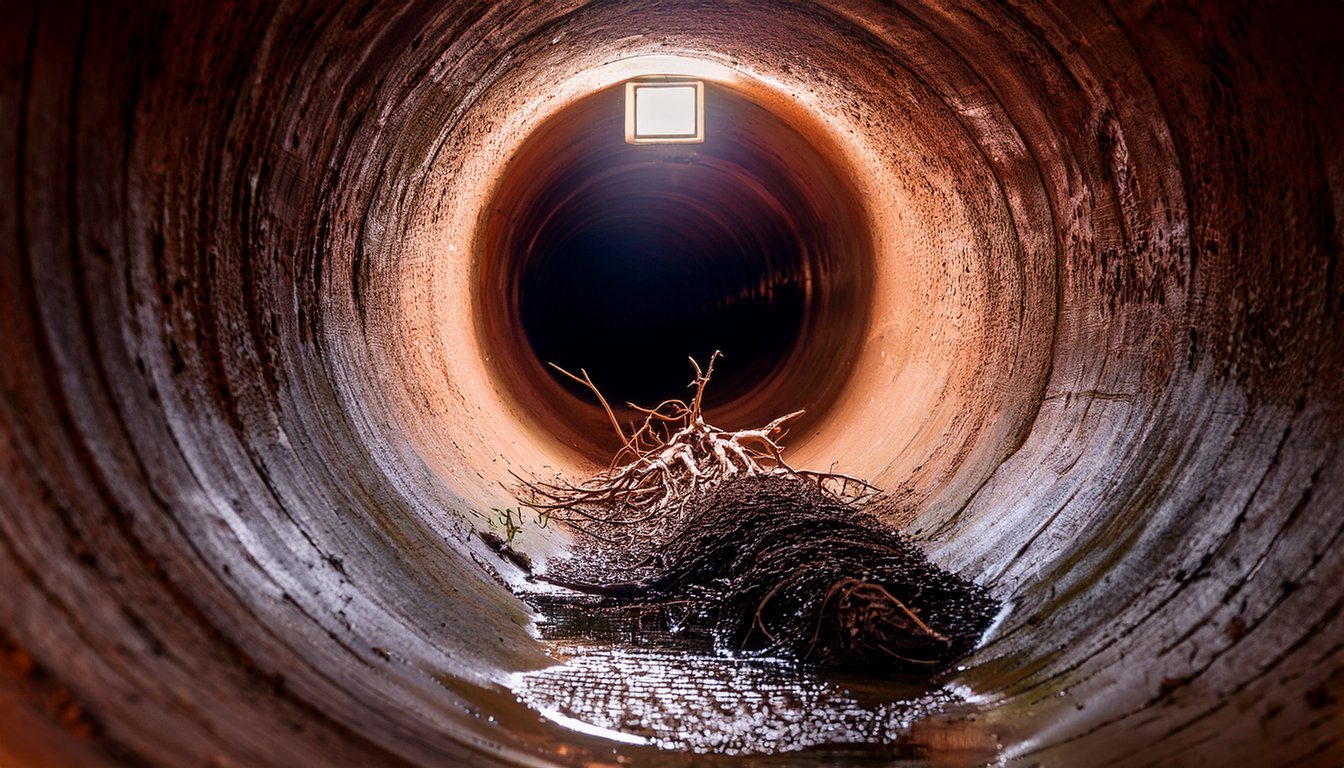
In our experience, adjusters usually treat root pressure and drought shrinkage as settling or earth movement, which standard policies exclude. If roots broke a pipe and the sudden leak then damaged the foundation, the water damage may be a separate, covered question.
Does earthquake insurance cover foundation damage?
A standard homeowners policy excludes earthquake. A separate earthquake policy, such as one from the California Earthquake Authority, can cover earthquake damage to your house, subject to a deductible that is a percentage of the coverage limit. Our seismic retrofit guide covers how those deductibles work.
Will filing a foundation claim raise my premium?
It can. Home insurance claims are reported to the LexisNexis C.L.U.E. database, which the CFPB says collects and reports seven years of home insurance claims to help inform pricing and underwriting. Ask your agent how claims affect your policy before you file a small or likely-excluded claim.