Two trenchless quotes for the same sewer line can be thousands of dollars apart, and often it's because they aren't quoting the same repair. One is a short liner over a single crack. Another relines the whole lateral. A third pulls a new pipe through the old one. Angi puts sewer pipe lining at "between $135 and $150 per linear foot," and says "Pipe bursting (along with the lining) costs $150 to $190 per linear foot."
Before any of those numbers matter, there's a question most quotes skip: does your pipe qualify for trenchless at all? This guide covers what each method costs, what quotes tend to leave out, the conditions that rule trenchless out, and the LA permit rules that apply.
Quick answers
- Per foot: national guides put lining at roughly $80 to $250 per foot and pipe bursting at roughly $60 to $200, with some guides higher.
- Typical total: Forbes Home puts lining and bursting at $3,000 to $12,000, compared with $4,000 to $20,000 for digging.
- Time: often a day or two on site, versus a week or longer for a dig.
- Does your pipe qualify? Not if it's collapsed, badly sagging or out of grade, or too hard to reach. A camera inspection settles it.
- Lifespan: lining is specified for a 50-year design life.
- LA permits: work on your lot is permitted by LADBS; work in the street needs a City sewer permit and, for pipe bursting, a bonded sewer contractor and camera video before and after.
What trenchless sewer repair costs
| Source | Lining (CIPP) | Pipe bursting | Totals |
|---|---|---|---|
| Angi | $135 to $150/ft | $150 to $190/ft (with lining) | $1,900 to $6,000, $2,900 average |
| HomeGuide | $90 to $250/ft | $60 to $200/ft | Not listed |
| Bob Vila | $80 to $250/ft | $60 to $200/ft | Not listed |
| Forbes Home | Lining and bursting combined | $3,000 to $12,000 |
Length drives the total. Angi's table runs as high as $4,500 to $25,000 for 75 to 100 feet of pipe. In our experience, LA laterals are often long because the owner's pipe runs all the way to the City main in the street, and older LA neighborhoods tend to price toward the upper end of these ranges.
Three trenchless repairs, three different prices
Spot repair. NASSCO, the trade association that writes the industry's rehabilitation specs, describes spot repairs as techniques "used to address localized defects in pipelines without the need for full length lining or excavation." If the camera shows one bad joint in an otherwise sound pipe, this is usually the cheapest fix. For choosing between the two full-length methods, see pipe bursting vs pipe lining.
Full-length lining (CIPP). A resin-soaked tube is put inside the old pipe and cured into a new one. NASSCO's specification calls for the liner to be "continuous and tight-fitting throughout the entire length of the original pipe," and requires "cleaning, measurement and television inspection" before it goes in. Branch connections are then reopened, and the spec calls for that "to 90% - 95% of their original area." Our sewer pipe lining cost guide breaks lining prices down by which part of the line is lined.
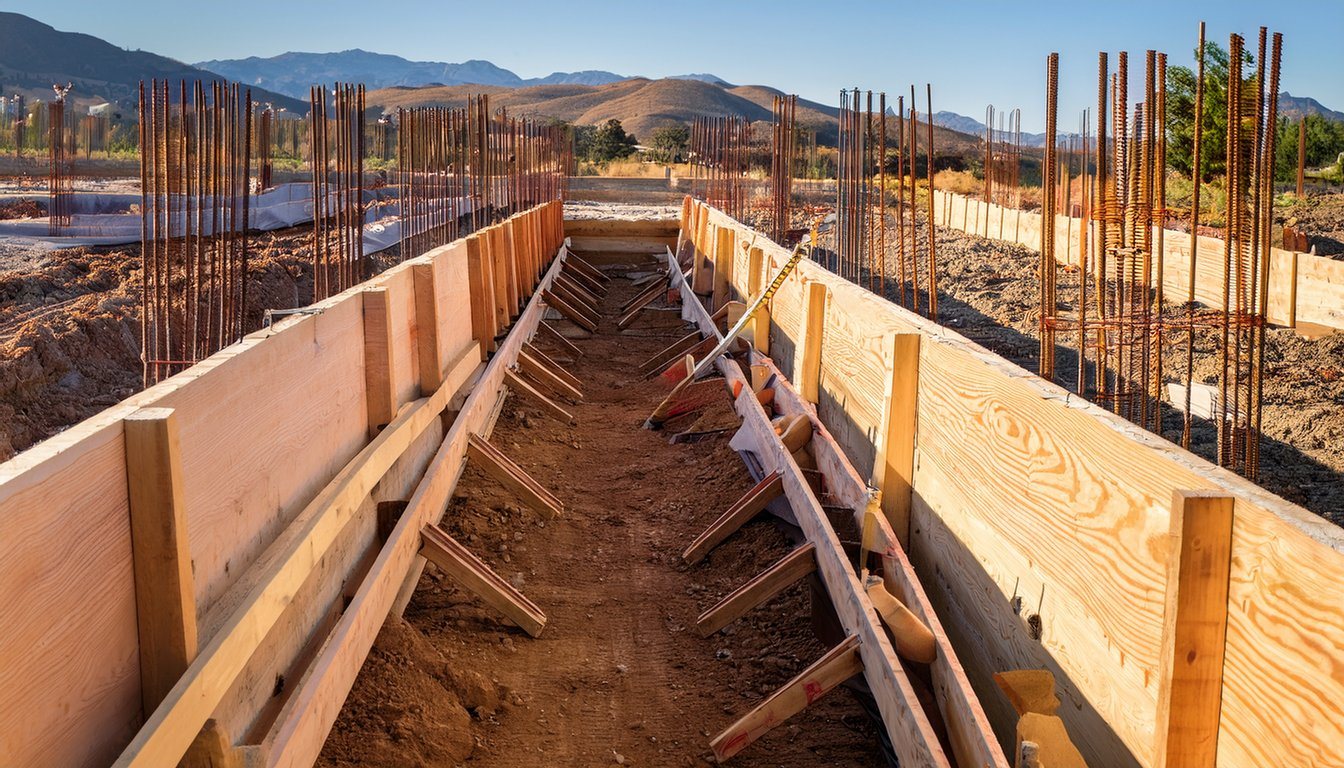
Pipe bursting. Angi explains that contractors "use hydraulic pressure to pull a specialized expander or bursting head through the old pipe, splitting and expanding it as they proceed," pulling a new pipe in behind it (our pipe bursting guide walks through the process step by step). It needs "two excavation holes." NASSCO notes bursting "is the only trenchless technology that can be used for upsizing pipelines," though Angi cautions that "If you need to install a bigger pipe, bursting isn't the best choice" for a typical home job.
Does your pipe qualify?
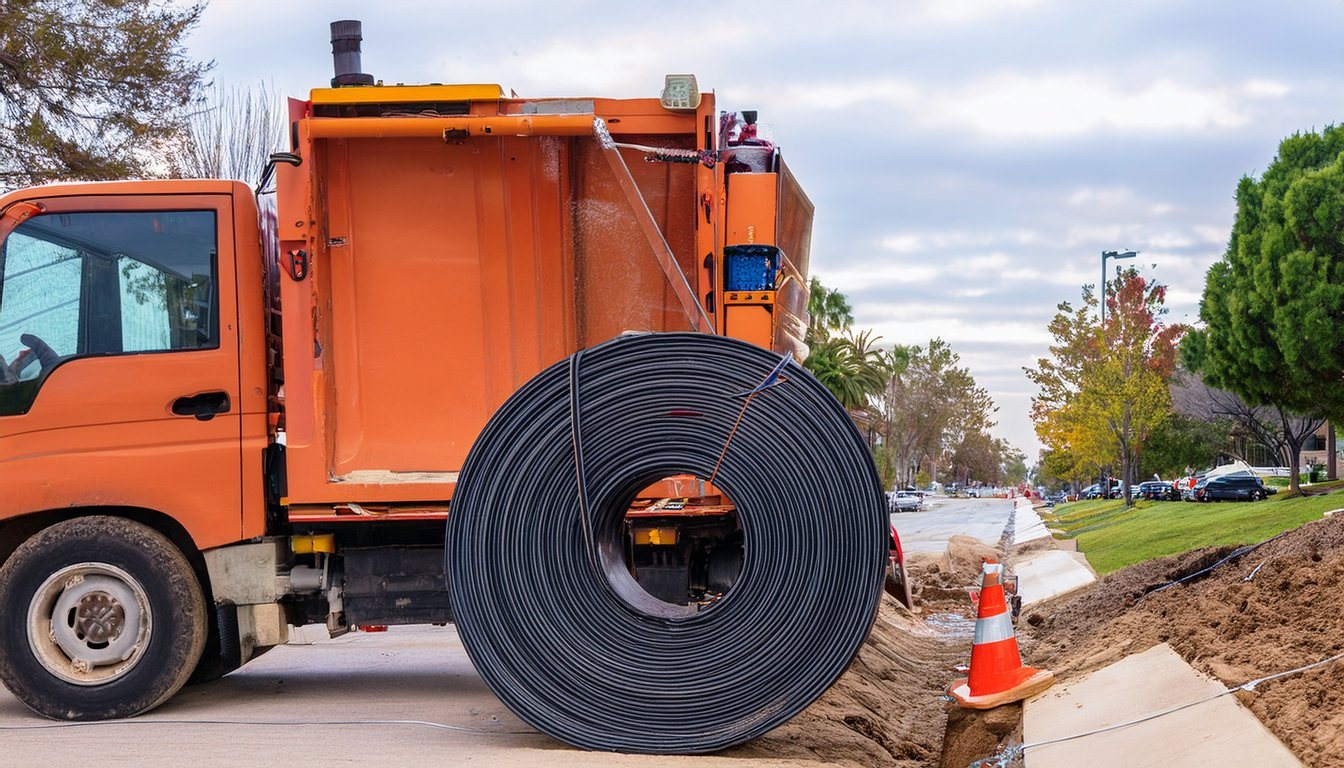
This is where no-dig quotes turn into change orders. Forbes Home says trenchless isn't suitable "If pipes are only accessible through narrow spaces," if the pipe "has been incorrectly installed, collapsed, or burst," or "If the line loses its position or is back pitched," in which case it says traditional trenching is best. For how crack severity on an inspection report points to a repair type, see our cracked sewer line repair guide. For how the work is done stage by stage, see how trenchless sewer repair works.
Pipe bursting has its own limits. The Plastics Pipe Institute says "If the sewer line has excessive sags, these sags should [be] repaired prior to bursting," and that when a gas, water or sewer line is "too close to the bursting head and is at risk of damage, exposing the line reduces this risk significantly." Angi adds that bursting may not work when there are "city utilities in the way," when pipes are "too shallow," or when "your municipality doesn't allow it."
The camera answers these questions. Angi puts a sewer camera inspection at "between $175 and $350," and our sewer camera inspection guide explains what to look for in the video. In our experience, the most common LA disqualifier is a sag or broken section under a driveway or street that has to be dug and fixed first.
What trenchless quotes leave out
The per-foot number rarely covers the whole job. Before comparing quotes, check each one for:
- Cleaning. NASSCO's lining spec calls for "cleaning, measurement and television inspection" first. HomeGuide puts hydro jetting at $250 to $800 and snaking at $150 to $500.
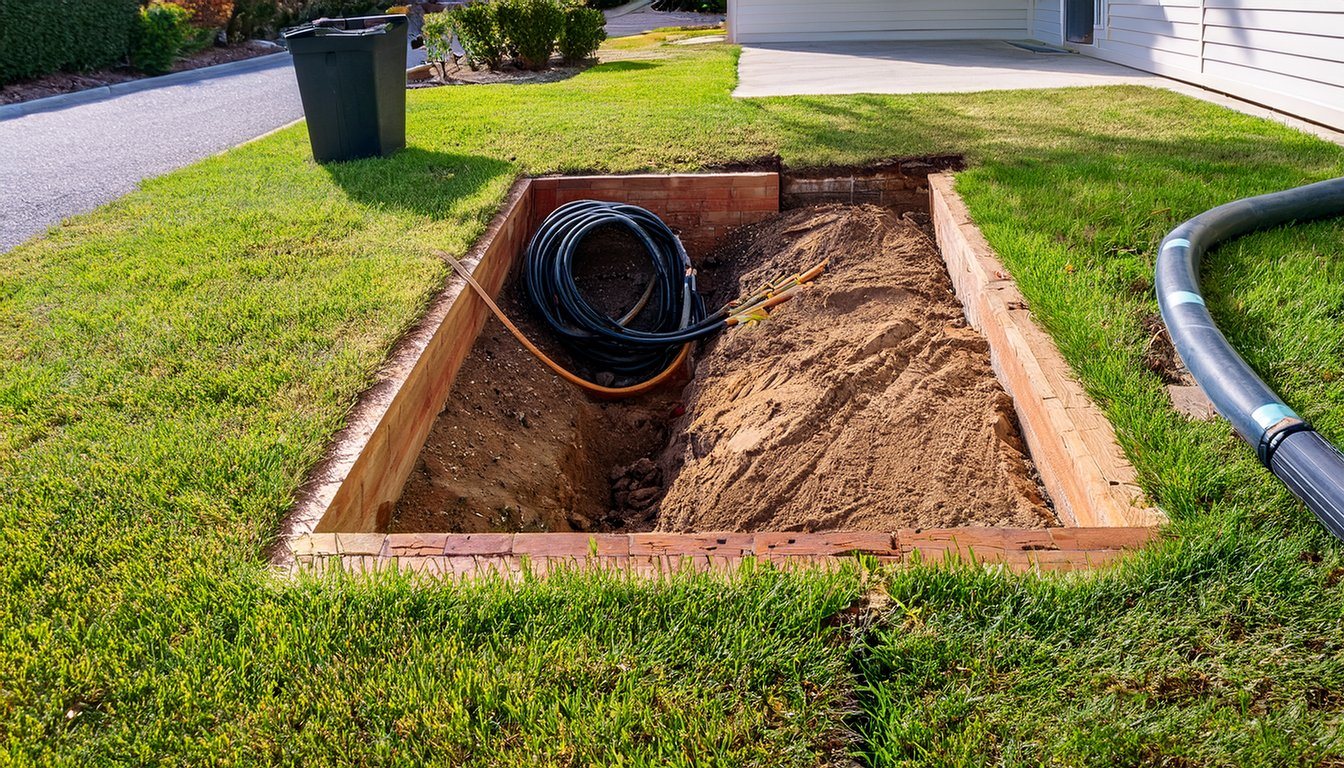
- Access pits. Angi says bursting needs "two excavation holes," and in our experience lining usually needs at least one. We also see the digging, shoring and backfill of those pits, and the concrete or lawn repair above them, billed as a separate line.
- Camera video before and after. So you can see the defect and the finished result.
- Permits. Angi says a permit for a trenchless system "could cost up to $1,000."
- Branch connections. Who reopens them after lining, and how.
LA permits. LADBS requires plumbing permits for "any installation or modification of drainage systems." The City's Bureau of Engineering splits the lateral in two: "Private lateral within the private easement is to be permitted and inspected by LADBS. A public works connection permit will be issued to verify conditions of the lateral within the public right-of-way only." For work in the street, its permit manual defines pipe bursting and says it "Must be completed by a Bonded Sewer Contractor and will require CCTV both prior to and after construction." Our sewer line replacement cost guide covers the street permits and City rebates in detail.
Insurance. In our experience, policies usually treat the pipe itself as maintenance. Forbes Home notes that if the line backs up into the home, "the cost of repair might be covered by homeowners insurance." Read your policy, and see our replacement cost guide for more on coverage.
Is trenchless cheaper than digging?
Per foot, not always. This Old House says "Traditional excavation is often less expensive upfront, ranging from $50–$200 per linear foot, but it can lead to higher restoration costs," while trenchless "may save money overall by reducing the need for landscaping, driveway, or foundation repairs." Forbes Home puts digging at "$4,000 to $20,000" compared with $3,000 to $12,000 for lining and bursting. For the non-cost trade-offs, see our guide to trenchless sewer repair pros and cons.
Time counts too. Forbes Home says "trenchless sewer repair only takes a day or two to complete," while traditional methods "can take a week or longer to complete." In our experience, trenchless wins in LA when the pipe runs under a driveway, mature trees, a patio or the street. On a short, shallow run under a lawn, a dig can be the cheaper honest answer.
How long it lasts, and what to ask about safety
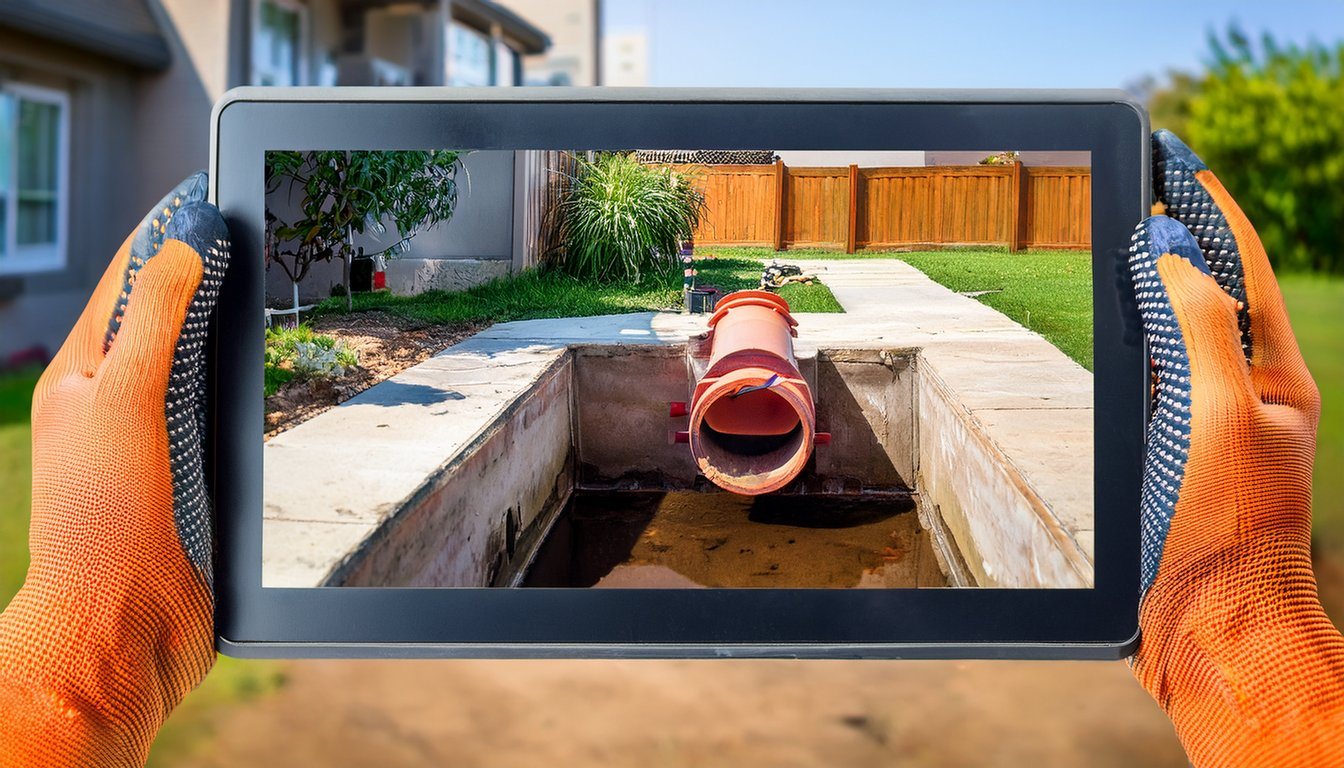
NASSCO's specification says "The CIPP shall be designed for a life of 50 years or greater." An EPA-backed evaluation found municipal liners "in excellent condition after being in use for 25, 23, 21, and 5 years, respectively," though it tested only a handful of samples. LA Sanitation uses lining on the City's own mains, describing it as "creating a durable new pipe inside the old one."
Some liners are cured with steam and resins that release styrene. NASSCO's safety guideline says "a small percent of the population may be affected by inhaling styrene from CIPP projects," and calls for a "15-foot radius perimeter" around steam exhaust. Purdue University researchers, who began studying CIPP emissions in 2016, report that "chemicals can be emitted into the environment and enter nearby buildings." In our experience, it's reasonable to ask a lining contractor which resin and curing method they use and how they vent the house during the work.
The trade-offs of trenchless lining
Lining solves a lot of problems without a trench, but it isn't free of downsides. In our experience, these are the ones worth weighing before you sign:
- A slightly smaller pipe. A liner adds a wall inside the old pipe, so the inside diameter shrinks a little. On a 4-inch residential line that's usually fine for flow, but it's one reason a lined pipe should be cleaned and checked the same way any pipe is.
- It keeps the old pipe's shape and slope. A liner follows the host pipe. If the line has a belly or a back-pitched section, lining it gives you a smooth, sealed belly that still holds water. That's why sags are usually dug and corrected first, as covered above.
- Branch connections have to be reopened. Where another drain ties into the lateral, the liner covers the opening, and the crew has to cut it back open from inside, usually with a remote cutter guided by camera. Ask how many connections there are and who checks them afterward.
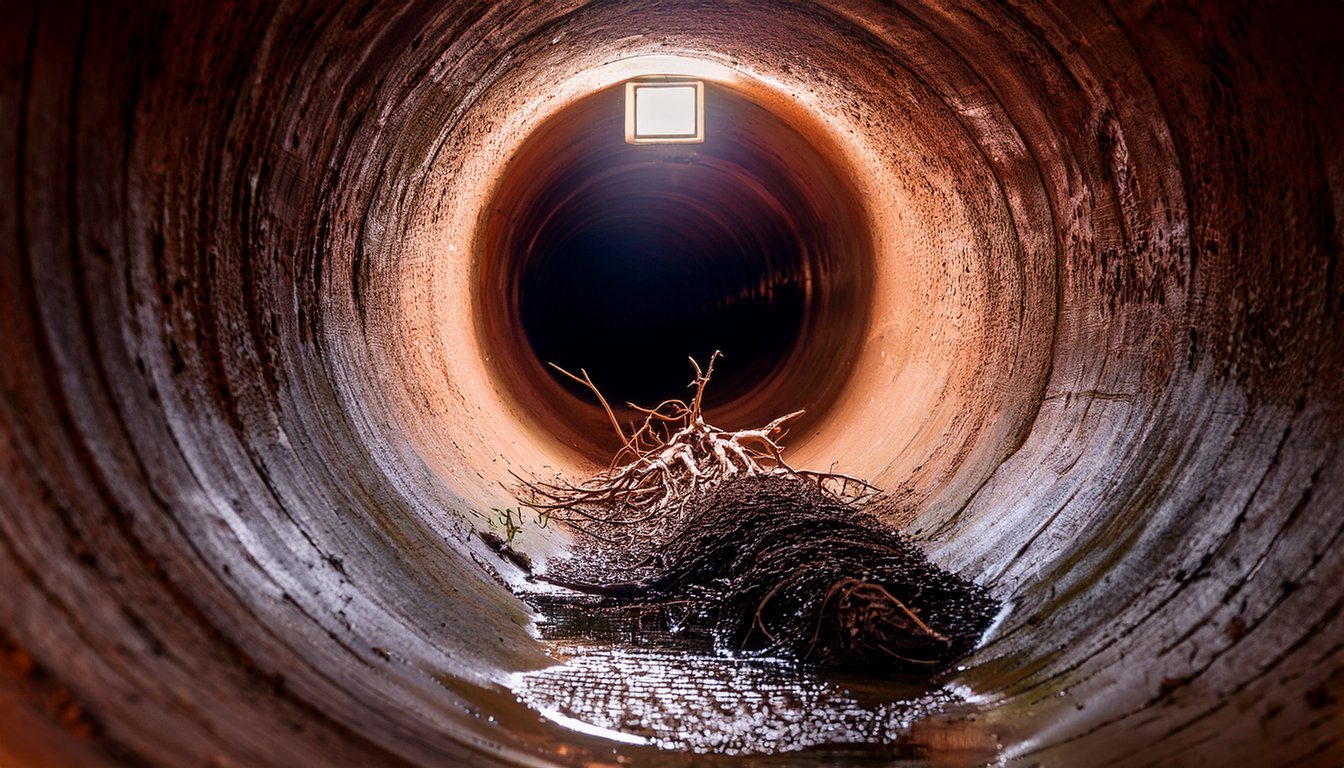
- Prep work drives the outcome. Heavy roots, scale or debris have to come out before the liner goes in, or the liner can wrinkle or fail to bond. A bid with a thin cleaning line can be a warning sign.
- Odor and curing. Steam-cured liners can release styrene during curing, which is why the safety guidance above calls for a perimeter around the steam exhaust. Ask the contractor how they will keep vapors out of the house during the cure.
None of these rule lining out. They're the reasons to get the camera video, a clear scope and a written warranty before deciding.
Comparing trenchless bids
In our experience, the best way to compare trenchless quotes is to make them answer the same questions:
- Which method: spot repair, full liner, or bursting? For how many feet?
- Has the contractor seen your camera video, and does it show sags, breaks or out-of-grade sections that need digging first?
- How many pits, where, and who repairs the surface?
- Is cleaning included? Camera video before and after?
- Which permits, and who pulls them? For street work, is the contractor bonded with the City?
- What warranty comes with the liner or new pipe?
Check any contractor's license before you sign. Our guide on how to check a California contractor's license walks through it. Medici Construction Group is one licensed option for trenchless sewer repair, holding California A, B and C-10 licenses under CSLB #1114433. Whoever you hire, settle whether your pipe qualifies before you compare prices.
Frequently asked questions
How much does trenchless sewer line replacement cost?
Forbes Home puts lining and bursting at $3,000 to $12,000, and Angi's table runs up to $25,000 for 75 to 100 feet. Per foot, guides put lining at roughly $80 to $250 and bursting at roughly $60 to $200.
Is trenchless sewer repair cheaper than digging?
Not always per foot. Digging can cost less up front, but trenchless often saves money when it avoids tearing up a driveway, landscaping or a street, and it usually takes a day or two instead of a week or more.
How much does pipe lining cost per foot?
Angi puts sewer pipe lining at $135 to $150 per linear foot, while HomeGuide puts it at $90 to $250 per foot, and Bob Vila gives a similar $80 to $250.
How much does pipe bursting cost per foot?
HomeGuide and Bob Vila put pipe bursting at $60 to $200 per foot. Angi puts bursting with lining at $150 to $190 per foot.
When is trenchless sewer repair not an option?
When the pipe is collapsed, badly sagging or back-pitched, when access is too tight, or when other utilities are too close. Sags usually have to be dug and fixed before pipe bursting.
How long does a trenchless sewer liner last?
NASSCO's specification calls for a design life of 50 years or more, and an EPA-backed study found liners in excellent condition after more than 20 years of use.
Do I need a permit for trenchless sewer repair in LA?
Yes. LADBS permits and inspects the part of the lateral on private property, and work in the street needs a City sewer permit. Pipe bursting in the street must be done by a bonded sewer contractor, with camera video before and after.
What are the disadvantages of trenchless pipe lining?
A liner slightly reduces the inside diameter, follows the old pipe's shape so it can't fix a sag or bad slope, and covers branch connections that must be cut back open. It also depends on good cleaning first, and steam-cured liners can release styrene while curing.