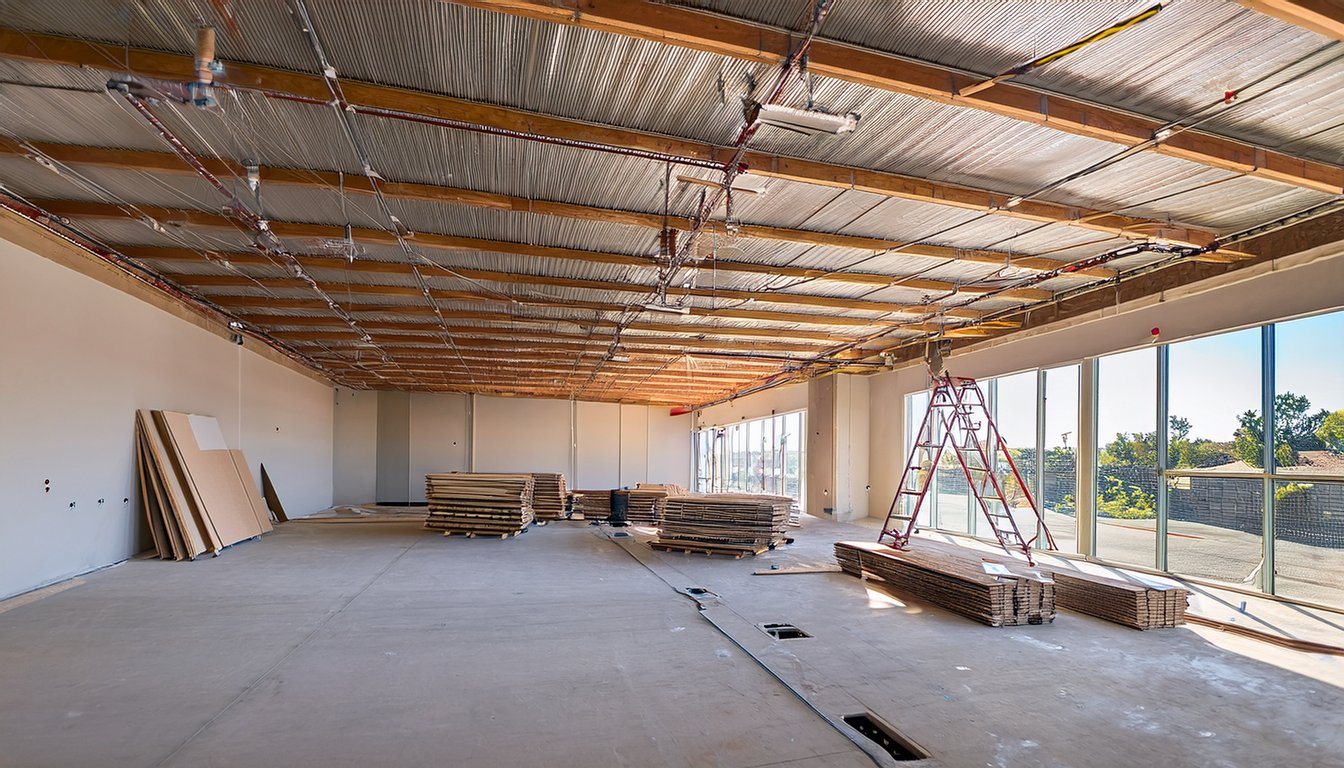
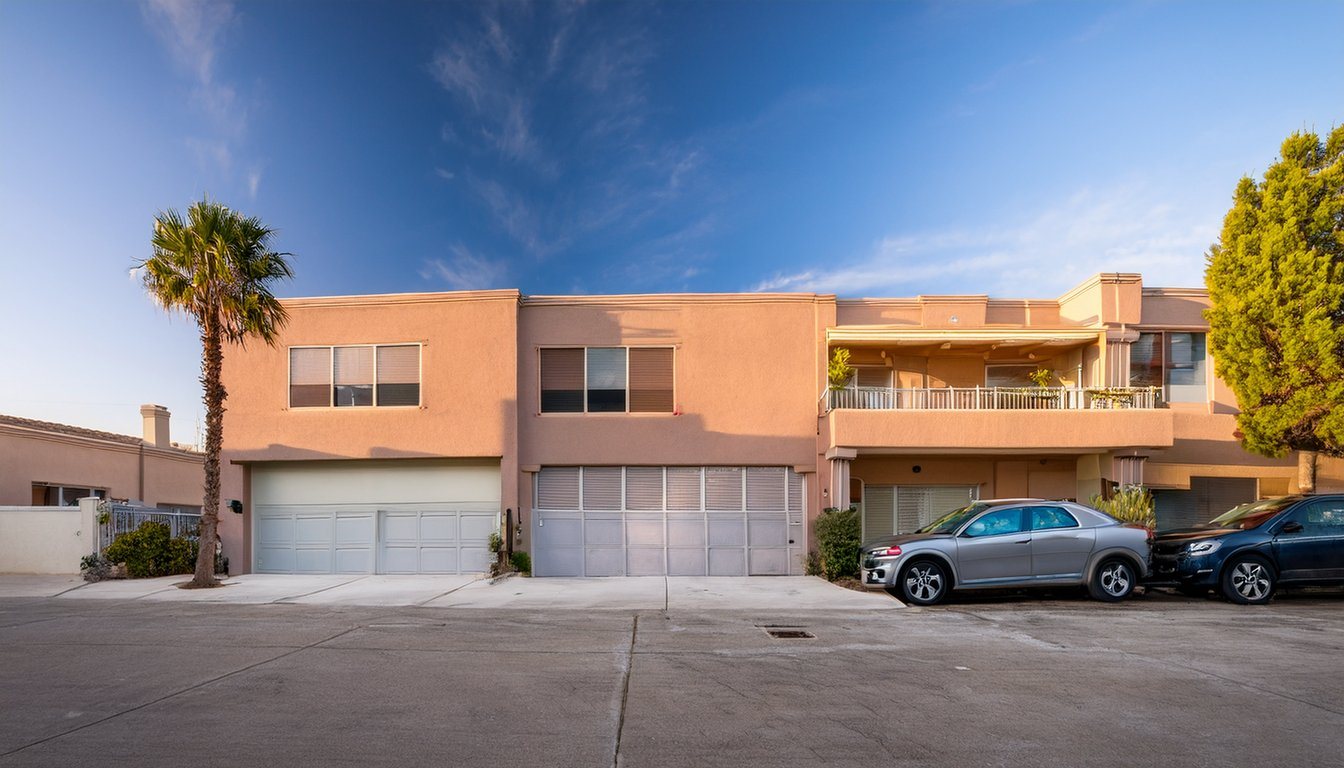
In our experience, a lot of Los Angeles homeowners start with the same request: "Just a guest house. No kitchen. It should be simpler than an ADU." It sounds reasonable. A guest house has fewer parts, and it isn't meant for a tenant. But in LA, a guest house isn't a lighter version of an ADU. It's a narrower structure with its own rules, and on many lots it isn't allowed at all.
The deciding feature is the kitchen. Add one and you're building a dwelling unit, which in practice means an ADU. Leave it out and you're building what LA's zoning code calls accessory living quarters, with limits on who stays there, whether it can be rented and how big your lot must be. Here's how the two compare, and how to tell which one fits your plan.
Quick answers
- The core difference: an ADU has a kitchen and is a complete home; a guest house has no kitchen and is for visiting guests.
- Renting: ADUs can generally be rented; the guest house definition says it isn't rented.
- Lot size: in several LA zones, a guest house needs a minimum lot area, such as 10,000 square feet in R1, per City Planning's 2022 Use List.
- ADU requirements: ADUs follow their own set of rules, which our ADU requirements guide covers.
- The ADU trade-off: in our experience, more cost for the kitchen and utilities, and landlord duties if you rent it.
Guest house and ADU side by side
| Guest house (accessory living quarters) | ADU | |
|---|---|---|
| Kitchen | None | Yes |
| Who lives there | Guests of the people living on the property | May be occupied by a tenant or family |
| Rent it out | Not rented, per the definition | May be rented |
| Sell it separately | No | Generally not separately (limited exceptions under state law) |
| Lot size | Minimums in several zones | ADU rules apply instead of the guest house minimum; confirm with the city |
| Approval path | Zone rules for the accessory building | ADU rules (see our ADU requirements guide) |
The sources for each row are cited in the sections below. In our experience, the table is where most homeowners realize the two aren't interchangeable.
What LA calls a guest house
In everyday speech, "guest house" can mean anything from a pool house to a full backyard cottage. LA's zoning code is more precise. An online copy of the City's zoning definitions (Section 12.03), hosted by the third-party code site GoCodebook (not the City's official publication), defines accessory living quarters as "An accessory building used solely as the temporary dwelling of guests of the occupants of the premises; such dwelling having no kitchen facilities and not rented or otherwise used as a separate dwelling unit."
The same definitions use "guest house" for something else: "A dwelling containing not more than five guest rooms or suites of rooms, but with no kitchen facilities." In our experience, when homeowners say "guest house," they almost always mean accessory living quarters, and that's the term to use when you talk to the city.
One caveat: LA has been updating its zoning code, so section numbers, definitions and the rules for your lot may be written differently. Confirm the current definitions and rules for your address with LADBS or City Planning before you design around them.
The lot-size gate
This is the rule that surprises people most. City Planning's 2022 Use List sets minimum lot areas for accessory living quarters in several residential zones. For the R1 one-family zone it lists "ACCESSORY LIVING QUARTERS - 10,000 square-foot minimum lot area." It lists "ACCESSORY LIVING QUARTERS - 15,000 square-foot minimum lot area - no kitchen." for the RS zone and "ACCESSORY LIVING QUARTERS (20,000 square-foot minimum lot area - no kitchen)." for the RE zone.
In our experience, many single-family lots in Los Angeles are well under 10,000 square feet. On those lots, the "simpler" guest house may not be an option at all, while in our experience an ADU, which follows its own rules, often is. That's the reverse of what most people expect. Verify your zone and the current minimums with the city, since the Use List is a planning summary and the code can change.
The kitchen line
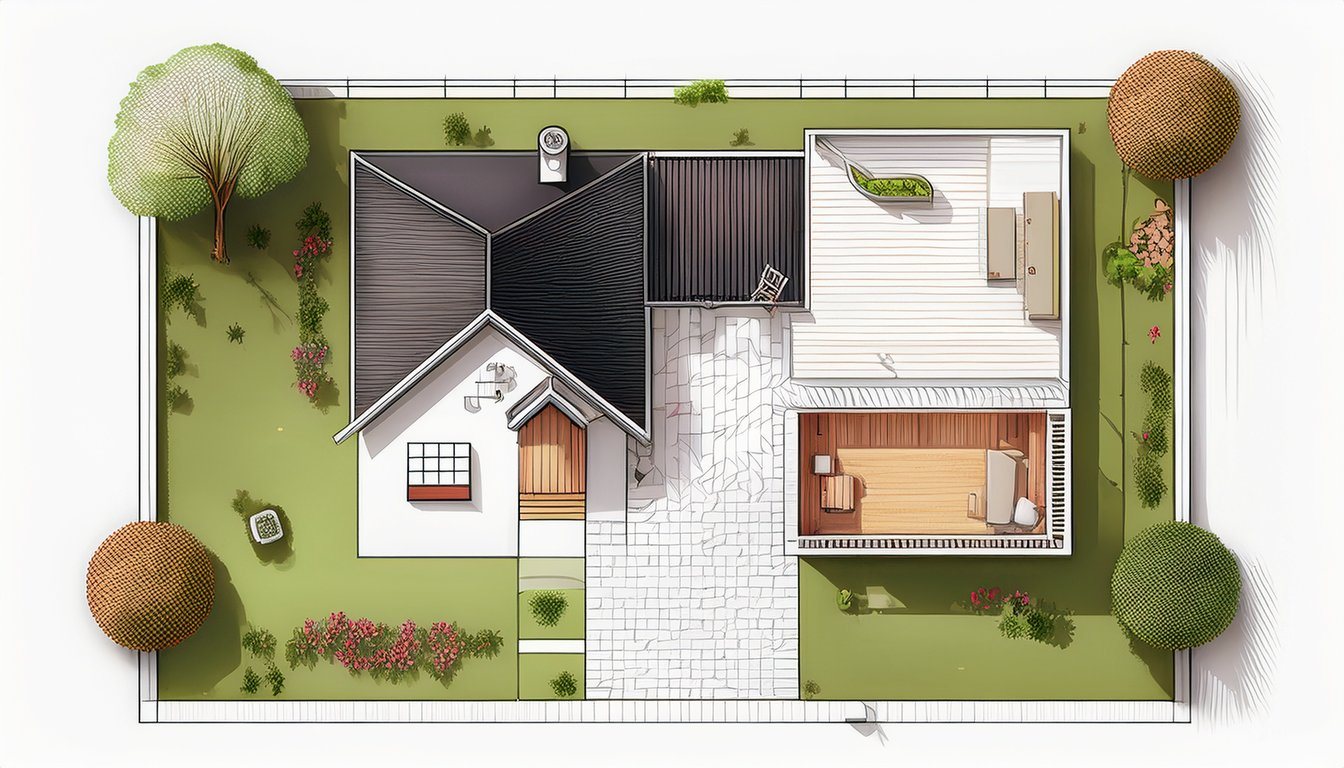
Because the guest house definition excludes kitchen facilities, the question of what counts as a kitchen matters a great deal. In our experience, building departments look at the features that make cooking possible: a range or cooktop, gas or a 240-volt appliance outlet in a cooking area, a food-prep sink combined with counters and large appliances. A small refrigerator and a bathroom sink usually aren't the problem. A "kitchenette" often is.
The problems we see most often come from adding cooking later. A guest house gets a hot plate, then a cooktop, then a tenant. At that point it's a dwelling unit that was never approved as one. If there's any chance the building will ever have a kitchen, it's usually better to design and permit it as an ADU from the start.
Renting: ADU yes, guest house no
The accessory living quarters definition says the building is not rented. Other California cities draw the same line; Davis, for example, says guest quarters "shall not be rented or otherwise be used as a separate dwelling."
ADUs are treated differently. California's ADU law anticipates rentals; Government Code section 66315, for example, lets a city require that ADU rentals run 30 days or longer. Separate sale is generally not allowed, with narrow exceptions set out in Government Code section 66341. If rental income is part of the plan, an ADU is the structure built for it; our guide to garage conversion to apartment covers the rental rules that come with a unit.
What LADBS and City Planning look for
In our experience, a guest house is reviewed as an accessory building under the zone's rules: lot area, setbacks, height, lot coverage and the no-kitchen condition. An ADU is reviewed under the ADU rules, which set their own standards for size, setbacks and approval. Our ADU requirements guide covers the ADU layer, and our ADU permit guide covers the review process.
Both need building permits and inspections. In our experience, the plans for a guest house should make the absence of a kitchen obvious, and the plans for an ADU should show the kitchen, utilities and separation from the main house clearly, so there are no questions at plan check. Our explainer on detached ADUs also covers where a no-kitchen building fits.
Pool houses, studios and offices
Not every backyard building with a bathroom is meant for sleeping guests. In our experience, a pool house with a shower, a home office with a half bath or an art studio is often reviewed as an accessory building rather than as living quarters, as long as it isn't set up for someone to live in. The details that change that are usually a bed, a closet and anything that looks like a kitchen. If the plan is to let someone stay overnight, even occasionally, say so at the design stage so the building is reviewed for the use it will really have. In our experience, it's much easier to design for the real use than to explain a mismatch at final inspection or when you sell.
Which one fits your plan
In our experience, a few questions sort it out quickly:
- Will anyone ever pay rent to live there? If yes, build an ADU.
- Will anyone ever cook there? If yes, build an ADU.
- Is the lot large enough for accessory living quarters in your zone? If not, a guest house may not be allowed; an ADU may be.
- Is the space only for visiting family and friends? If yes and the lot qualifies, a guest house can work.
- Might you sell the house in a few years? In our experience, buyers often value a permitted ADU's flexibility, while a guest house suits a narrower set of buyers.
Turning a guest house into an ADU later
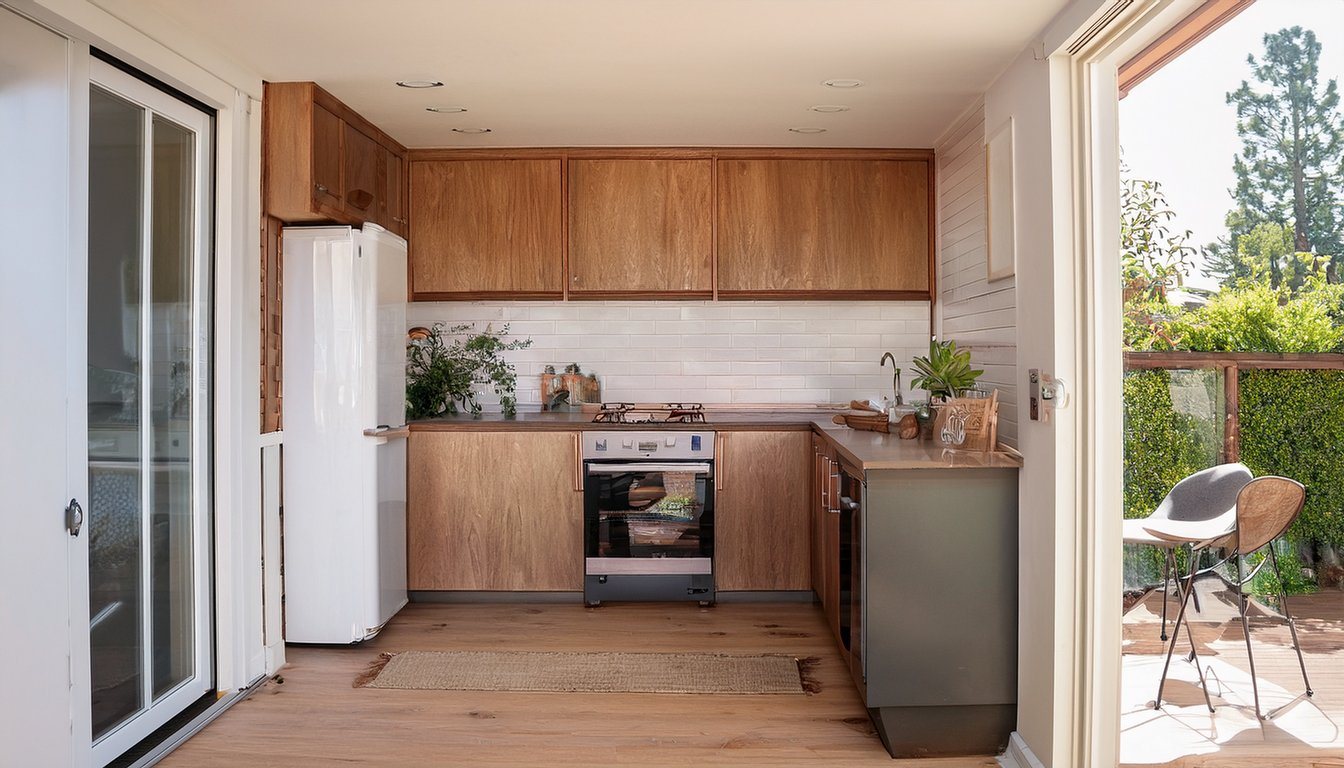
Plans change, and a guest house built for visiting parents may later need to house a caregiver or a tenant. In our experience, converting one means treating it as a new ADU project on paper: new plans that show the kitchen and its utilities, a permit reviewed under the ADU rules, and inspections for the new work. The existing building's setbacks, size and condition get looked at again, and electrical, plumbing and sometimes gas service may need upgrades to support cooking.
In our experience, the conversion goes smoothest when the original guest house was built with the future in mind: a bathroom already in place, a wall where a kitchen could go and room on the electrical panel. Planning for that at the start costs little and can save a lot of rework later.
The bottom line
In Los Angeles, a guest house and an ADU aren't two sizes of the same thing. A guest house has no kitchen, isn't rented and, in several zones, needs a large lot. An ADU is a complete home that, in our experience, can be rented and, on many lots, is the more practical choice. Decide whether anyone will ever cook or pay rent there, and the right structure usually becomes clear. Medici Construction Group is one licensed option for guest houses and ADUs, holding California A, B and C-10 licenses under CSLB #1114433.
Frequently asked questions
What is the difference between a guest house and an ADU?
Under California's ADU rules, an ADU is a complete, separate home with its own kitchen, and it can generally be rented. A guest house, which Los Angeles zoning calls accessory living quarters, is a building for visiting guests with no kitchen, and the definition says it isn't rented. In our experience, the kitchen is the feature that decides which one you're building.
What qualifies as a guest house in Los Angeles?
LA's zoning definitions describe accessory living quarters as an accessory building used solely as the temporary dwelling of guests of the people living on the property, without kitchen facilities and not rented. In our experience, that usually means a bedroom, a bathroom and maybe a sitting area, set apart from the main house.
Can a guest house have a kitchen in Los Angeles?
Not under the accessory living quarters definition, which describes the building as having no kitchen facilities. In our experience, once a space has what the building department treats as a kitchen, it's reviewed as a dwelling unit, which usually means an ADU. Confirm with LADBS what counts as a kitchen before adding appliances.
Can I rent out a guest house?
The accessory living quarters definition says the building is not rented or otherwise used as a separate dwelling unit. An ADU is different: California's ADU law allows rentals, lets a city require terms of 30 days or longer and generally bars separate sale. In our experience, owners who want rental income should plan for an ADU from the start.
How big does my lot need to be for a guest house in LA?
It depends on the zone. City Planning's 2022 Use List shows minimum lot areas for accessory living quarters in several zones, including 10,000 square feet in R1, 15,000 in RS and 20,000 in RE. Check your zone and the current rules with the city, because many LA lots are smaller than those minimums.
What are the disadvantages of an ADU compared with a guest house?
In our experience, an ADU usually costs more because of the kitchen and its plumbing, gas or electrical work, it can bring more utility and energy work, and renting it comes with landlord responsibilities. A guest house avoids some of that, but only works if the lot qualifies and the space stays guest-only.
Is it easier to permit a guest house or an ADU?
In our experience, on many LA lots an ADU is the easier path, because ADUs follow their own approval rules while a guest house has to meet the zone's rules, including any lot-size minimum. On a large lot where a guest house is allowed, it can be simpler to build. Our ADU requirements guide covers the approval rules.