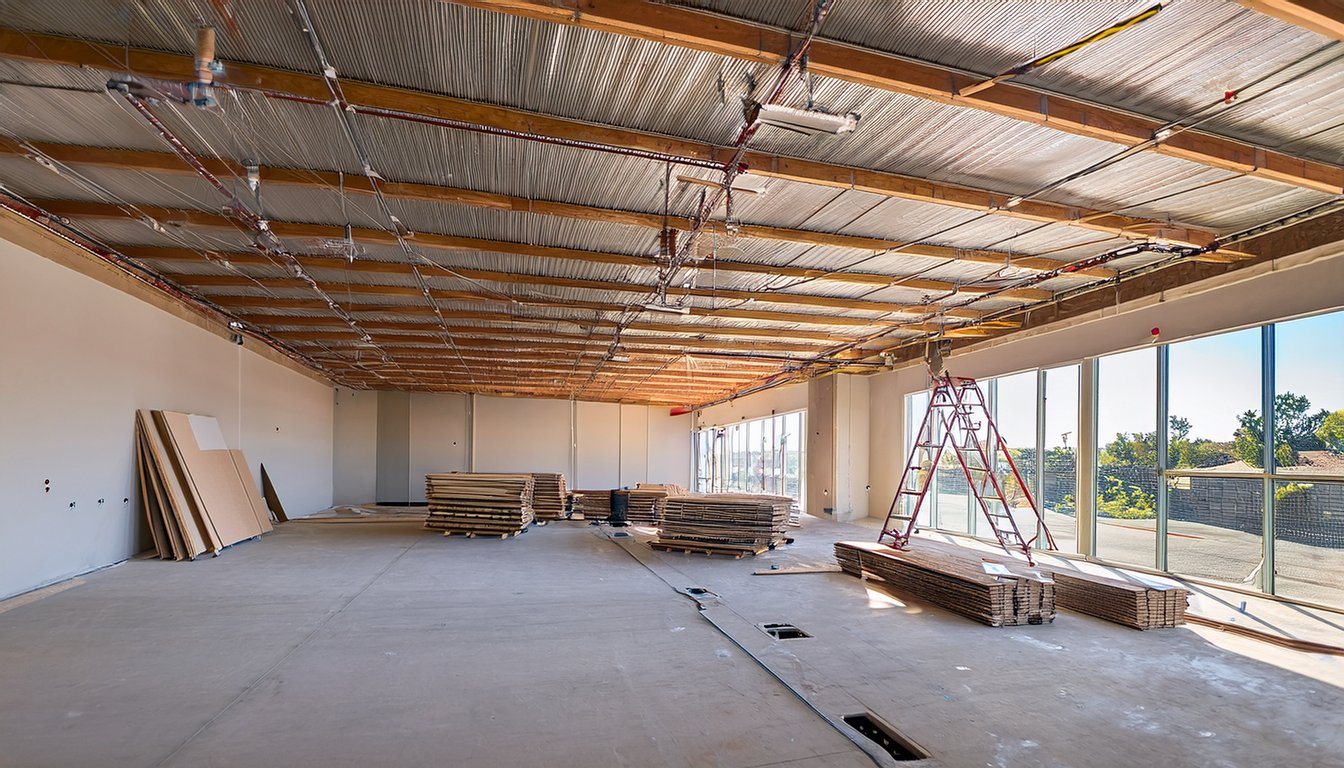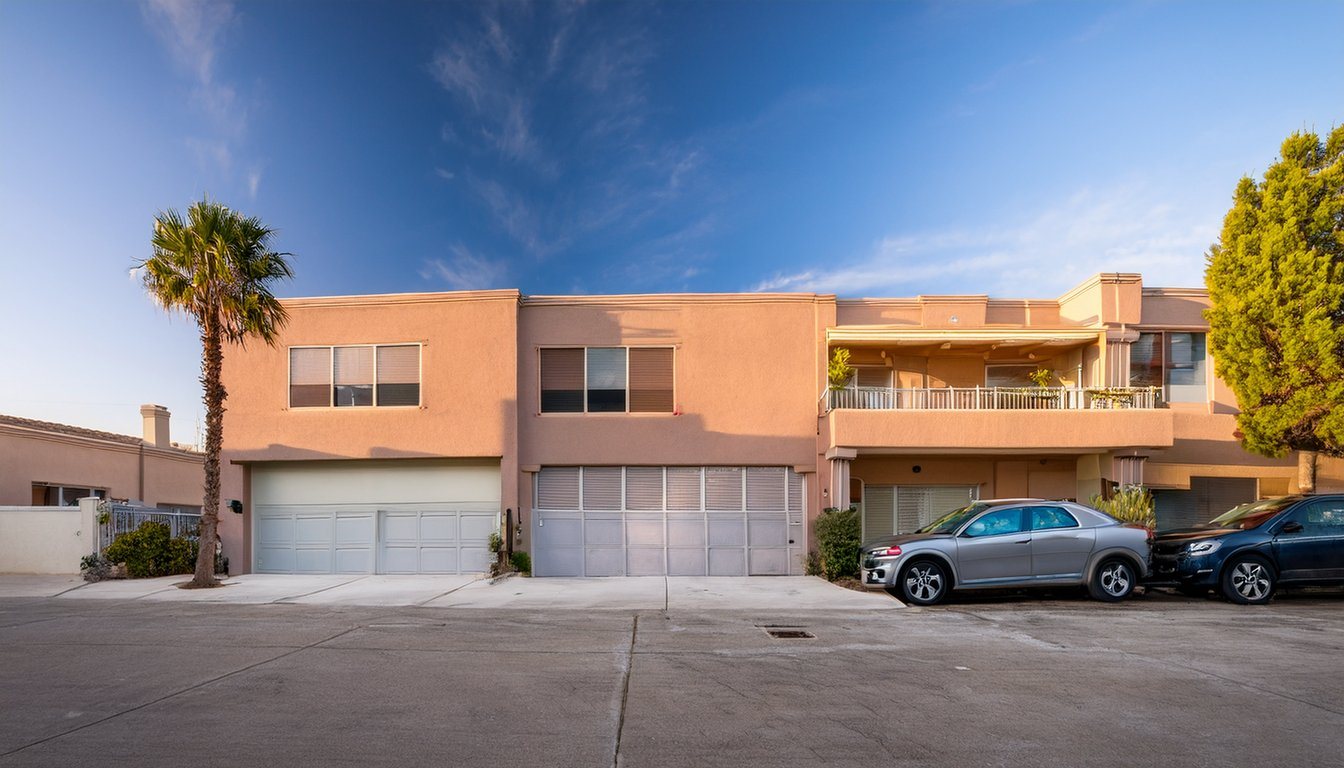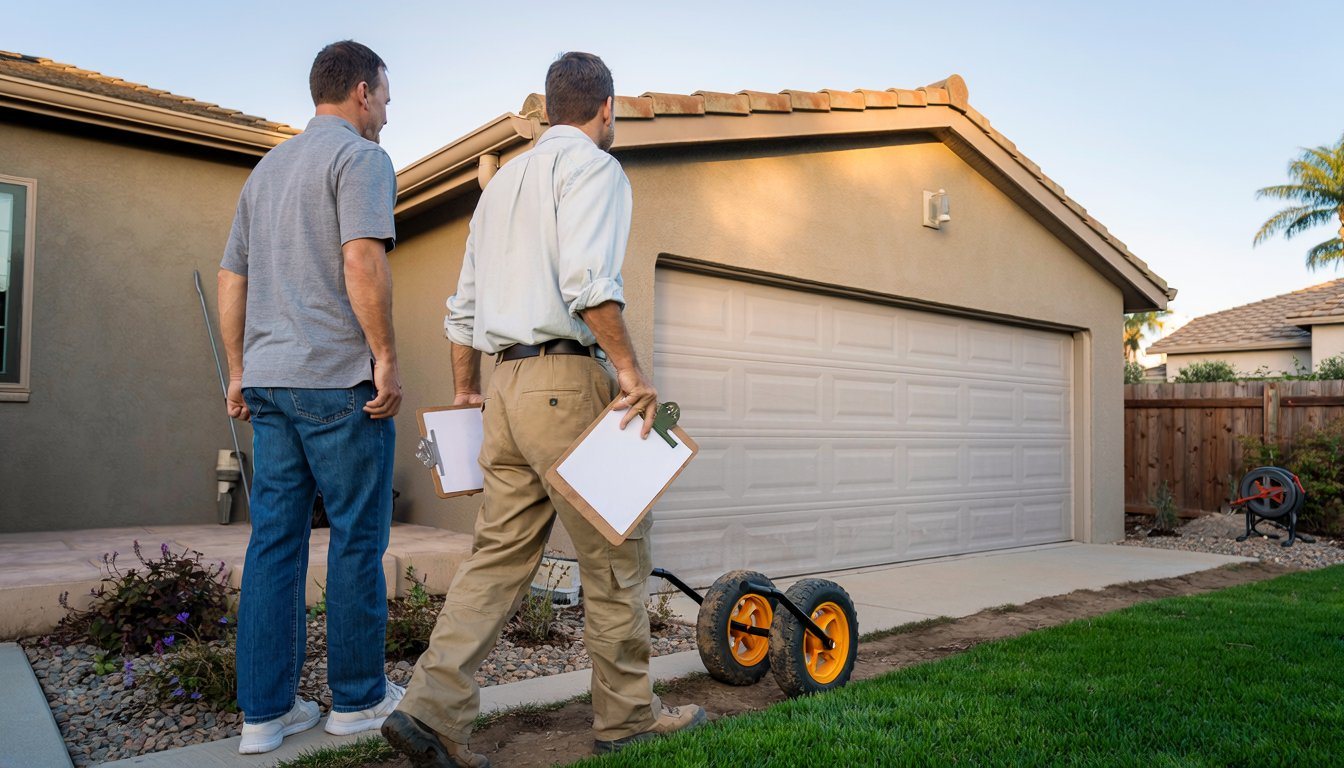
In our experience, the clearest way to see what an ADU builder is really offering is to put two quotes for the same backyard side by side. One is a clean per-square-foot number for a floor plan. The other has a page of site lines: the trench from the house, the electrical service, the sewer connection, access for equipment, grading, restoring the yard. The second quote looks higher. It's usually closer to what the ADU will cost.
That's the core of choosing an ADU builder. Many sell a plan and a price; fewer price your actual lot before you sign. This guide covers who can legally lead an ADU build, the kinds of ADU builders you'll meet, the lot questions a real ADU contractor asks, and what to look for on the first site visit.
Quick answers
"ADU builder," "ADU contractor" and "design-build firm" often describe the same thing: a licensed contractor who builds the unit, sometimes with the design included. In our experience, the one to hire is licensed to lead the whole job and prices your lot, not just a floor plan. Before you sign, confirm:
- Who holds the license that covers the whole build.
- Who designs it and who builds it, if they're different companies.
- How utilities get from the house to the ADU, and who pays.
- What fire, easement and access items the lot raises.
- What's included, what's an allowance and what's excluded.
Who can legally lead an ADU build
An ADU pulls in almost every trade, so the license matters. The Contractors State License Board's ADU fact sheet says consumers should hire a licensed contractor "to build or install an ADU, which often involves multiple trades", and that "B – General Building Contractors can build or install ADUs." By contrast, it notes that other specialty contractors, such as electricians and plumbers, "cannot generally manage a full ADU build or installation." A separate license, C-47, covers installing a manufactured home built off site.
In our experience, this is where some "ADU companies" need a closer look. A firm can sell you plans, handle permitting and quote a price while the actual construction is done by another company. That can work well, but you should know which company holds the license, signs the construction contract and answers to the inspector. Our contractor hiring guide covers how to check a license. For factory-built units, our prefab ADU cost guide covers what the factory price does and doesn't include.
Four kinds of ADU builder
In our experience, the companies you'll find usually fall into four groups:
- Design-build general contractors. One company designs and builds. They tend to fit owners who want one point of contact and a builder's input on cost while the design is still changeable. Good for family units where the layout needs to fit how you live.
- Prefab and modular companies. A factory builds the unit; a local contractor, sometimes the same company, does the foundation, utilities and setting. They fit lots with good access and owners who like a set model. In our experience, rental-focused owners often look here first.
- Plan-and-permit firms. They design and permit, sometimes with a package price, and hand construction to a partner. They fit owners who want a streamlined start but should be clear about who builds.
- Traditional general contractors. You hire a designer first, then bid the drawings. This fits owners who want to compare builders on identical plans, and often suits units built for resale value where finishes matter.
None of these is right for every lot. The route affects when you meet the builder; our contractor hiring guide compares design-build with bidding finished drawings.
The lot questions a real ADU builder asks
In our experience, an ADU builder who knows the work asks about the lot before talking about finishes. These are the items that most often move the price and the schedule:
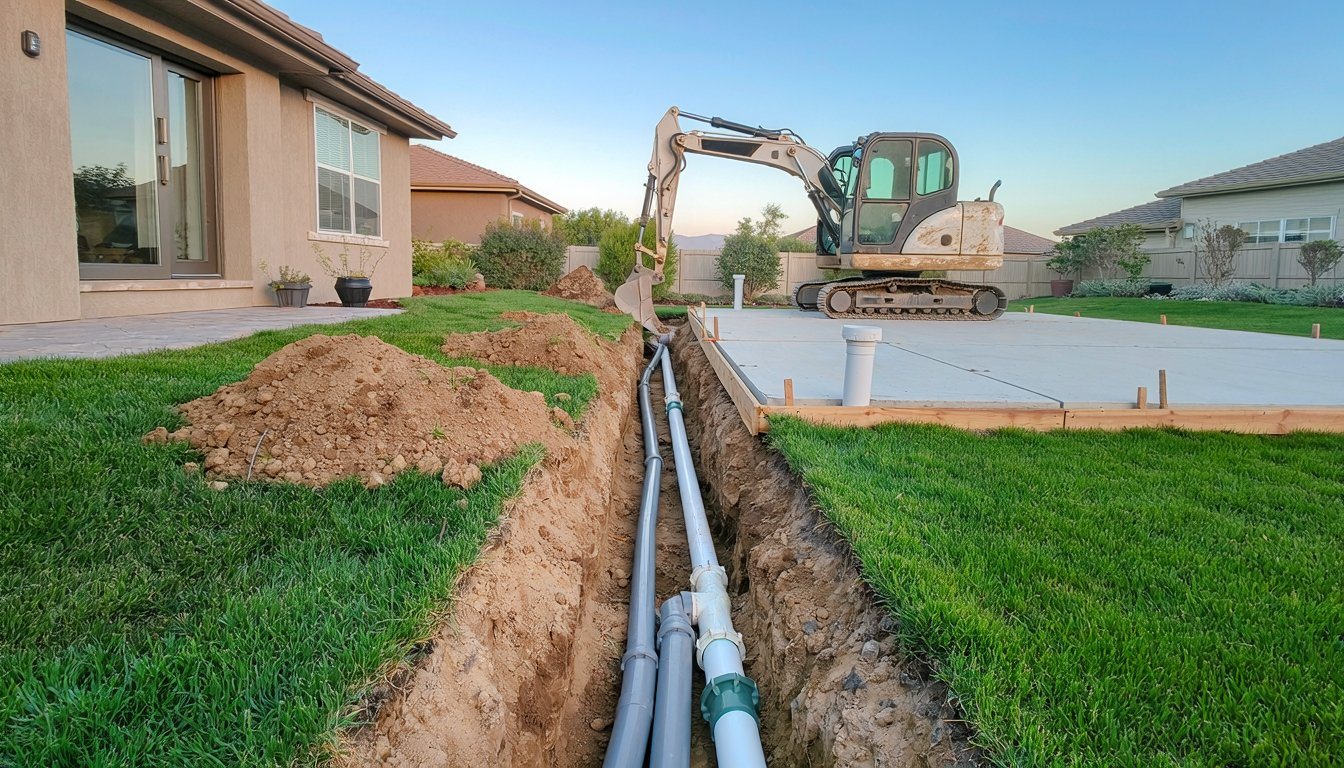
Utilities. Electricity, water, sewer and sometimes gas have to get from the street or the house to the unit. That can mean a trench across the yard, a panel or service upgrade, and a sewer connection that has to slope correctly to the main line. Whether a separate utility connection is required, and what fees apply, depends on the type of ADU and on your city and utilities; ask them early. Our ADU construction cost guide covers what state law says about utility connection fees.
Fire department items. A detached ADU at the back of a deep lot can raise access questions. LADBS's ADU correction sheet, in its 2021 revision, lists that "Fire lane access is required (for new construction) (where any part of the building is 150 ft. from the edge of an improved street or approved fire lane) for project valuation of $50,000 or more." The same sheet flags that a "Sprinkler system shall be required for the ADU if the existing dwelling has a sprinkler system." Confirm the current version with the city, but in our experience these items belong in the first conversation, not the plan check comments.
Easements and utility access. The correction sheet also calls for written approval from DWP "for any work, including conversion to an ADU, located in or within 10' of a DWP easement," and says construction "shall not restrict a five-foot clear and unobstructed access to any water or power distribution facilities." In our experience, a pole, a meter or an easement in the wrong place can move the whole unit.
Access for equipment. How a mini excavator, a concrete pump or a crane gets to the back of the lot shapes both the method and the price.
Soil and grading. A slope, fill soil or poor drainage can change the foundation.
What package prices usually leave out
In our experience, a per-square-foot ADU price usually covers the unit. What sits around the unit is where quotes differ most:
- Utility trenches, connections and any electrical service upgrade.
- Sewer work, including a new connection or cleanout.
- Fire department items, such as access or sprinklers where required.
- Demolition of an existing structure, if the ADU replaces one.
- Grading, retaining walls or drainage.
- Access work, such as removing and replacing a fence or gate.
- Restoring landscaping and hardscape afterward.
- City, school and utility fees.
A good ADU builder either prices these from a site visit or lists them clearly as allowances or exclusions. Our ADU construction cost guide covers how these items add up.
Comparing ADU bids side by side
In our experience, the split between "the unit" and "the site" is what makes one builder's number look so different from another's. A few steps make them comparable, and our ADU construction cost guide lists the cost lines to check:
- Put every bid on the same scope. List the site items from the section above and mark, for each bid, whether it's included, an allowance or excluded.
- Look hard at allowances. An allowance is a placeholder, not a price. A low allowance for the utility trench or the electrical upgrade makes a bid look cheaper than it is.
- Check who designs. If the design isn't done, a builder's number is an estimate that will move once plans are drawn and checked.
- Ask how plan check corrections are handled. In our experience, redesign after the city's comments is common, and bids differ on who pays for it.
ADU-specific items to put in the contract
Beyond the standard terms, in our experience these ADU items are worth having in writing:
- Who owns the plans, and whether you can take them to another builder.
- Who coordinates with the utilities for new service, meters or connections.
- Who handles fire department, easement and other clearances if they come up.
- How changes are priced and approved, especially for site conditions found during digging.
- What the warranty covers and who you call after move-in.
For large contracts, it's reasonable to have an attorney review the agreement before you sign.
On the first site visit: what to watch for
In our experience, the first site visit tells you more about an ADU builder than a portfolio. A builder who knows ADUs will usually:
- Look at the electrical panel and meter before discussing layout.
- Ask where the sewer cleanout is and check how the ground falls toward the street.
- Walk the path equipment would take to the back of the lot.
- Look for poles, meters, easements and overhead lines near the ADU location.
- Ask about the soil, any slope and where water goes when it rains.
And in our experience, these are the signals worth a second opinion:
- A firm price per square foot before anyone has seen the lot.
- No line, allowance or mention of the utility trench.
- Uncertainty about which company holds the license and signs the contract.
- No answer on who pulls the permit and meets the inspector.
- Pressure to sign before a site visit or a written scope.
Our guide to building an ADU covers the full process from lot check to final inspection, and our ADU plans guide covers where plans come from, including pre-approved plan programs.
What to have ready before you call builders
In our experience, a little preparation makes every builder's visit more useful and the quotes easier to compare:
- Your goal for the unit. Rental, family, office or resale value changes the layout and the finishes.
- A rough size and location. Even a sketch on a photo of the yard helps.
- Your property's basics. Lot survey or plot plan if you have one, and any past permits.
- What you know about the utilities. Where the panel, meters, sewer cleanout and gas meter are.
- Anything in the way. Trees, a pool, a shed, a slope or a neighbor's structure near the line.
The bottom line
An ADU builder is easy to find and harder to choose. Start with who is licensed to lead the whole job, then ask each candidate to price your lot: utilities, fire access, easements, equipment access and soil. The builder whose quote reflects those, and who says clearly what's included, is usually the one worth comparing. Medici Construction Group is one licensed option for building ADUs, holding California A, B and C-10 licenses under CSLB #1114433.
Frequently asked questions
How do I choose an ADU builder?
In our experience, start by confirming who is licensed to lead the whole job, then have each candidate walk your lot and price its site work: utilities, access, grading and fire items. The builder whose quote reflects your lot, not just a floor plan, is usually the one to compare seriously.
Where do I find a good ADU builder?
In our experience, the best leads come from neighbors and friends who have built ADUs, from designers and engineers who work on ADUs, and from finished units you can see. Our contractor hiring guide covers where to look and how to check a license.
What license does an ADU builder need in California?
The Contractors State License Board says B general building contractors can build or install ADUs, while C-specialty contractors such as electricians and plumbers generally can't manage a full ADU build. A C-47 manufactured housing contractor can install an ADU that is a manufactured home built off site.
Should I hire an architect or a builder first?
It depends on the route you choose: architect first and bid the drawings, or a design-build firm from the start. Our contractor hiring guide compares the two routes.
Who pulls the ADU permit, me or the builder?
In our experience, it usually works best when the licensed contractor building the ADU pulls the permit, since they answer to the inspector. Whoever pulls it, the contract should say who is responsible for plans, permit, inspections and corrections.
What do ADU package prices usually leave out?
In our experience, packages often leave out much of the site work: utility trenches and connections, electrical service upgrades, sewer work, fire department items, access for equipment, grading, and restoring the yard afterward. Ask each builder to list what's included and what's an allowance.
Does an ADU need fire sprinklers in Los Angeles?
It depends on the property. LADBS's ADU correction sheet, in its 2021 revision, flags that sprinklers are required for an ADU if the existing house has them. Confirm the current requirements for your project with the city.