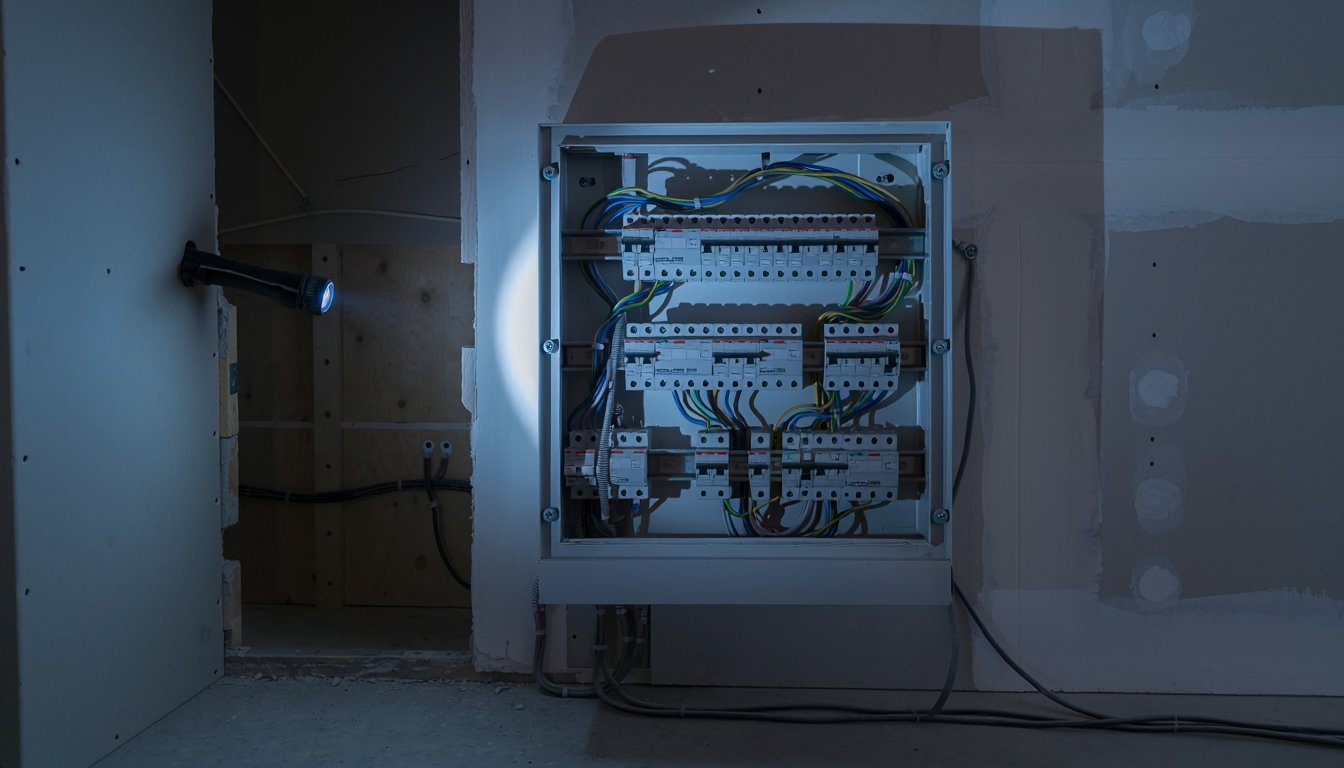
Here's a common scenario. A house goes on the market, and the buyer's home inspector opens the garage and finds a newer subpanel feeding a workshop and an EV charger. Nice work, by the look of it. Then the questions start: was it permitted, and was it inspected? The seller isn't sure. The buyer's agent asks for records, the escrow timeline starts to slip, and an electrician gets called to take a look behind the drywall.
So, do you need an electrical permit? For most work that adds, extends, moves or changes wiring, circuits or equipment, yes. A short list of like-for-like repairs is usually exempt, and exactly where that line falls depends on your city or county. This guide covers what the permit is, what work needs one, what's exempt, and what the permit actually gets you.
Quick answers
- Do you need one? For most new, extended or altered wiring, yes. The exact rules and exemptions depend on your city or county.
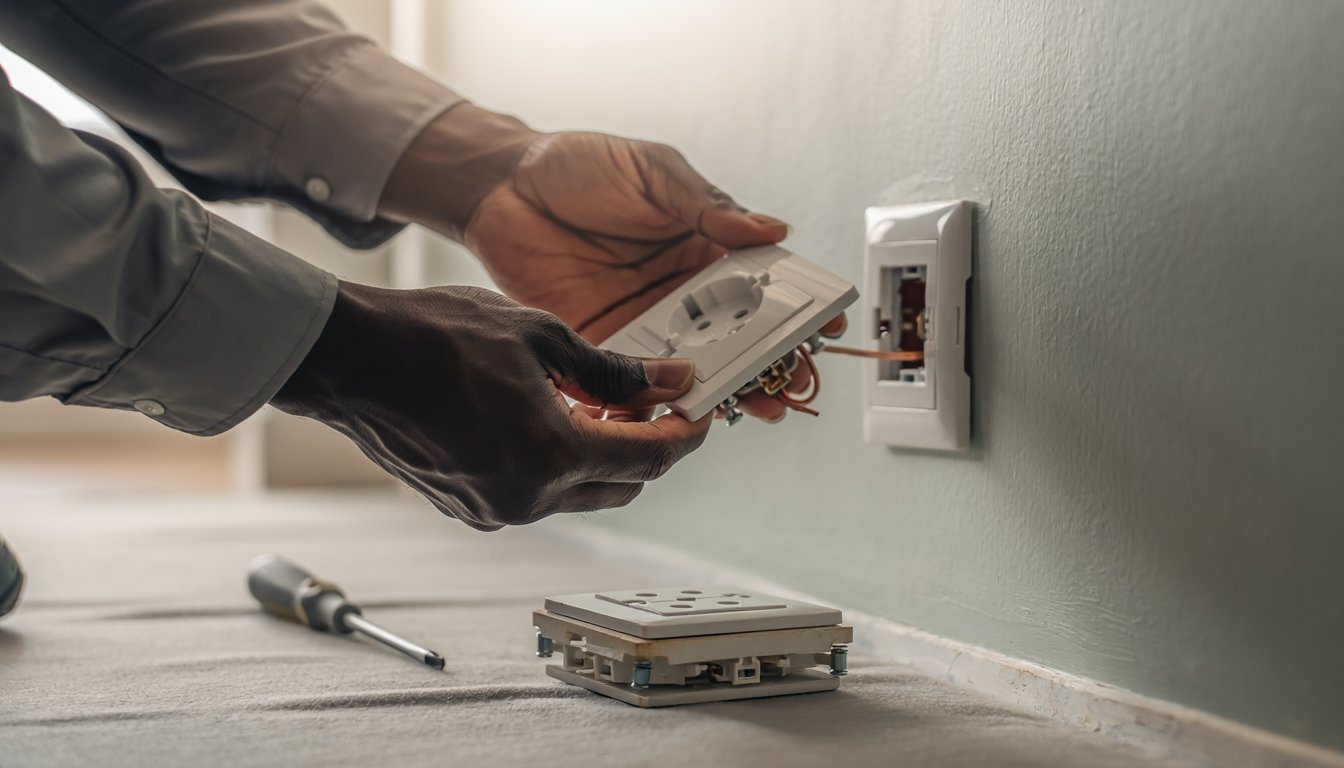
- What's usually exempt: small like-for-like repairs, such as replacing a switch, receptacle device or a breaker of the same type and rating, where local rules allow it.
- What it gets you: an inspection by the building department and a record that the work was checked, which matters when you sell or file a claim.
- Who pulls it: in our experience, usually the licensed electrical contractor doing the work; some jurisdictions also let homeowners pull permits for their own homes, with conditions.
What an electrical permit is
An electrical permit is permission from your local building department to do specific electrical work, followed by inspections to check it. Los Angeles County's permit portal puts it simply: "An electrical permit allows you to legally perform electrical work on a property, ensuring the work complies with safety codes."
The code in question is the California Electrical Code, Part 3 of Title 24. The state's building standards office, describing the 2022 edition of Title 24, says "Part 3 is based on NFPA's 2020 NEC." NEC is the National Electrical Code. In our experience, each new state edition adopts a newer NEC with California amendments, and cities and counties can add their own local amendments on top.
Permits are issued by whoever has building authority where the property sits. In our experience, in Los Angeles, that's the Department of Building and Safety for addresses inside city limits, Los Angeles County for unincorporated areas, and each incorporated city's own building department everywhere else. Rules, forms and fees differ between them, so the first step is always to confirm who covers your address. For fees, see our guide to what an electrical permit costs.
Work that usually needs a permit
The general rule is broad. Los Angeles County's permit page says "You need an electrical permit for electrical work you plan to do on your property, including the installation, alteration, reconstruction or repair of any electrical wiring, devices, appliances, apparatus, or equipment, within or on any building, structure or premise." The City of Los Angeles says much the same in its FAQ: "Any time you alter, repair, add, relocate, or modify existing electrical wiring, you will need an electrical permit."
In our experience, these are the residential jobs that almost always need one:
- Panel replacements and service upgrades. Anything that changes the main panel, the service size or the meter equipment. Our guides to panel upgrades, 400 amp service and meter base replacement cover those jobs.
- Subpanels and new circuits. A subpanel in a garage or ADU, or a new dedicated circuit for an appliance, a workshop or a spa. Our subpanel installation cost guide covers what the work costs.
- EV chargers. A hardwired charger or a new 240-volt circuit for one. See our EV charger installation guide, and our guide on whether you need a Level 2 charger.
- Solar, batteries and generators that connect to the house wiring, including transfer equipment. Solar also needs the utility's approval to connect; see what a solar interconnection agreement is.
- Rewiring and remodels. New outlets, moved outlets, new lighting locations, and wiring in additions and conversions.
- Underground feeders to a detached garage, ADU or outbuilding. Our underground conduit guide covers the trenching side.
If the job adds something that wasn't there, makes a circuit bigger, moves a device to a new spot or touches the service, plan on a permit.
Work that's usually exempt
Every jurisdiction keeps its own exempt list, so read yours. Here's how one of them reads. Los Angeles County Public Works, for unincorporated areas, exempts:
- "Minor repair work, such as the replacement of lamps, switches, receptacles devices, sockets, and the like", among other minor repairs.
- "Replacement of over-current devices of the same type and same rating."
- "Temporary decorative lighting."
- "Portable generators, portable motors, appliances, tools, power outlets, and other portable equipment connected by means of a cord or cable having an attachment plug."
Exempt doesn't mean anything goes. The same County page adds: "Notwithstanding the foregoing, all electrical wiring and equipment shall comply with Section 83-2 of the Electrical Code." The work still has to meet code; it just doesn't need a permit and inspection.
The City of Los Angeles handles exceptions in its own code. Its FAQ says "Refer to section 93.0201 for a list of exceptions." The City's exceptions aren't identical to the County list above, so if you're inside city limits, check the City's rules rather than the County's.
Then there are the gray areas. In our experience, swapping a light fixture on an existing box for a similar one is often treated as minor repair, but the County text lists lamps, switches, receptacle devices and sockets, not fixtures, so confirm with your building department. Adding a new box, moving a fixture to a new location or running a new circuit to it is new work. Outlets follow the same logic: replacing a worn receptacle device is one thing, adding an outlet where there wasn't one is another.
What the permit gets you
It's easy to see a permit as paperwork and a fee. In our experience, the value is in what comes with it: a second set of eyes on work that ends up hidden behind walls, and a public record that the work was checked.
An inspection of hidden work. Once wiring is covered, nobody can see how it was done. Electrical problems cause real losses. The U.S. Fire Administration's 2023 national estimates for residential building electrical malfunction fires show 23,700 fires and 305 deaths. Those figures cover electrical malfunction fires in homes generally; they say nothing about whether the work involved was permitted. But in our experience, an inspection is one of the few checks a homeowner gets on wiring they'll never see again.
A record when you sell. California's standard Transfer Disclosure Statement asks the seller, "Are you (Seller) aware of any of the following:", and lists "Room additions, structural modifications, or other alterations or repairs made without necessary permits". That's a question about what the seller knows, not a requirement to produce permits. But in our experience, a permit record makes that answer easy, and its absence is exactly what a buyer's inspector and agent will ask about.
Fewer surprises with the building department. Enforcement varies, but one South Bay city, Lawndale, states that "If a code enforcement officer or building inspector observes work being performed without the required permits, a stop-work order will be issued at the job site." Lawndale also notes that permits provide a record of repairs and alterations that's useful when selling or transferring property.
Fewer questions from insurers. In our experience, after a fire or electrical loss, an insurer may ask about recent work, and an inspected permit is the simplest answer. Coverage depends on your policy, so ask your agent rather than assuming either way.
Who can pull an electrical permit
The Contractors State License Board licenses electrical contractors under the C-10 classification, which it defines this way: "An electrical contractor places, installs, erects or connects any electrical wires, fixtures, appliances, apparatus, raceways, conduits, solar photovoltaic cells or any part thereof, which generate, transmit, transform or utilize electrical energy in any form or for any purpose." In our experience, a general building contractor may also include electrical work as part of a larger project, within the limits of its license.
Homeowners can sometimes pull their own. The City of Los Angeles says "Homeowners applying for single-family dwelling e-permits may apply for all types: building, mechanical, electrical, and plumbing." In our experience, that path comes with conditions and responsibility for the work, so check the rules with your building department before you take it on. The same LADBS guide reminds applicants that construction contractors working in California must be licensed by the Contractor's State License Board (CSLB).
How the process works, briefly
For simple residential jobs, many departments issue permits online or over the counter; Los Angeles County, for example, offers an Express Electrical Permit for simple residential projects. In our experience, larger jobs may need plans reviewed first. After the permit is issued, the work is done and inspected. LADBS notes that "inspections will be required at different stages of the project to ensure that the work is being completed safely and according to plan." In our experience, the permit is closed out when the final inspection passes, and that finaled permit is the record you want in your files.
Before you start electrical work
Three questions settle most permit decisions. Who has building authority at your address: the city, the county or another city? Is the job on that jurisdiction's exempt list, word for word? And if it isn't, who's pulling the permit, you or your contractor? In our experience, asking those before work starts is far cheaper than answering them when you sell.
Medici Construction Group is one licensed option for electrical work, holding California A, B and C-10 licenses under CSLB #1114433. Whoever does your job, ask to see the permit before work starts and the signed-off final inspection when it's done.
Frequently asked questions
What electrical work doesn't need a permit?
It depends on your city or county. In unincorporated Los Angeles County, the exempt list includes minor repairs like replacing lamps, switches, receptacle devices and sockets, replacing overcurrent devices with the same type and rating, temporary decorative lighting, and cord-and-plug portable equipment. Other cities keep their own lists.
Do I need a permit to replace an outlet or a breaker?
In unincorporated LA County, replacing a receptacle device, or an overcurrent device such as a breaker with one of the same type and rating, is on the exempt list. Adding a new outlet or circuit, or changing a breaker's size, is new work and usually needs a permit. Check your own city's rules.
Do I need a permit to replace a light fixture?
Replacing lamps, switches and receptacle devices is exempt in unincorporated LA County. In our experience, a like-for-like fixture swap on an existing box is often treated as minor repair, but the text doesn't list fixtures by name, so confirm locally. A new box, new location or new circuit needs a permit.
Can a homeowner get an electrical permit?
Often, yes, with conditions. In the City of Los Angeles, homeowners applying for single-family dwelling e-permits can apply for electrical permits. In our experience, owner-builders take on responsibility for the work and its code compliance, so check the conditions with your building department first.
What happens if electrical work is done without a permit?
It depends on the jurisdiction. In our experience, consequences can include a stop-work order, a permit and inspection after the fact, and opening finished walls so an inspector can see the wiring. Unpermitted work can also come up when you sell, through the seller's disclosure.
Can you get an electrical permit after the work is done?
In our experience, many building departments will permit existing work, but the inspector has to be able to see it, which can mean opening walls or ceilings. Ask your building department how it handles work already completed.
How much does an electrical permit cost?
It depends on the city or county and on what's being installed, because each agency adds the fee up from its own table. Our guide to electrical permit costs walks through how the fee is built and prices one job four ways.