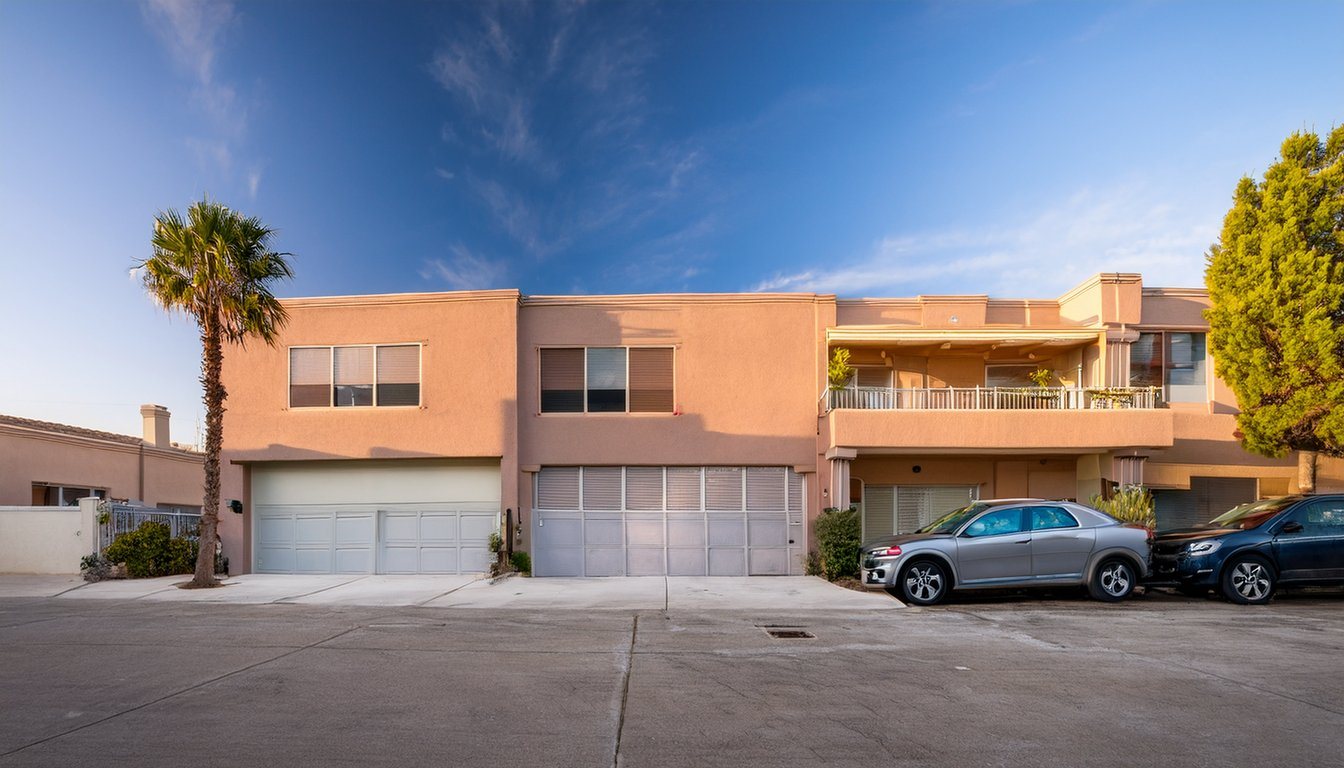
In our experience, the most common reason people ask for 400 amp service is the size of the house. A big house feels like it should have a big service, and "future-proof" sounds like a safe word to put on a quote. But square footage alone doesn't decide it. What decides it is the load: what's in the house now, what you plan to add, and how much of it runs at the same time.
Sometimes the load calculation says 200 amps has plenty of room. Sometimes, once an ADU, two electric vehicles, a heat pump and a pool are on the list, it says 400. This guide explains how to tell which one you are, what the options are before you upgrade, and why the utility often has the last word. Our electrical panel upgrade guide covers how the work runs once the size is chosen, and our guide to the electrical service upgrade covers the code, utility and permit layers.
Quick answers
You need 400 amp service when a load calculation, including everything you plan to add, shows more demand than a 200 amp service can carry. Most single-family homes, even with electric heating and an EV, don't reach that point, and load management can keep many homes on 200 amps. Large all-electric homes, homes adding an ADU on the same service, and homes with several big loads at once are the usual exceptions.
What 400 amp service is
The number describes how much current the service is rated to deliver from the utility to your panels. In our experience, newer houses typically have 150 or 200 amp service and older homes often have 100; 400 amp service is less common in single-family homes and usually shows up on larger houses or properties with heavy electric loads.
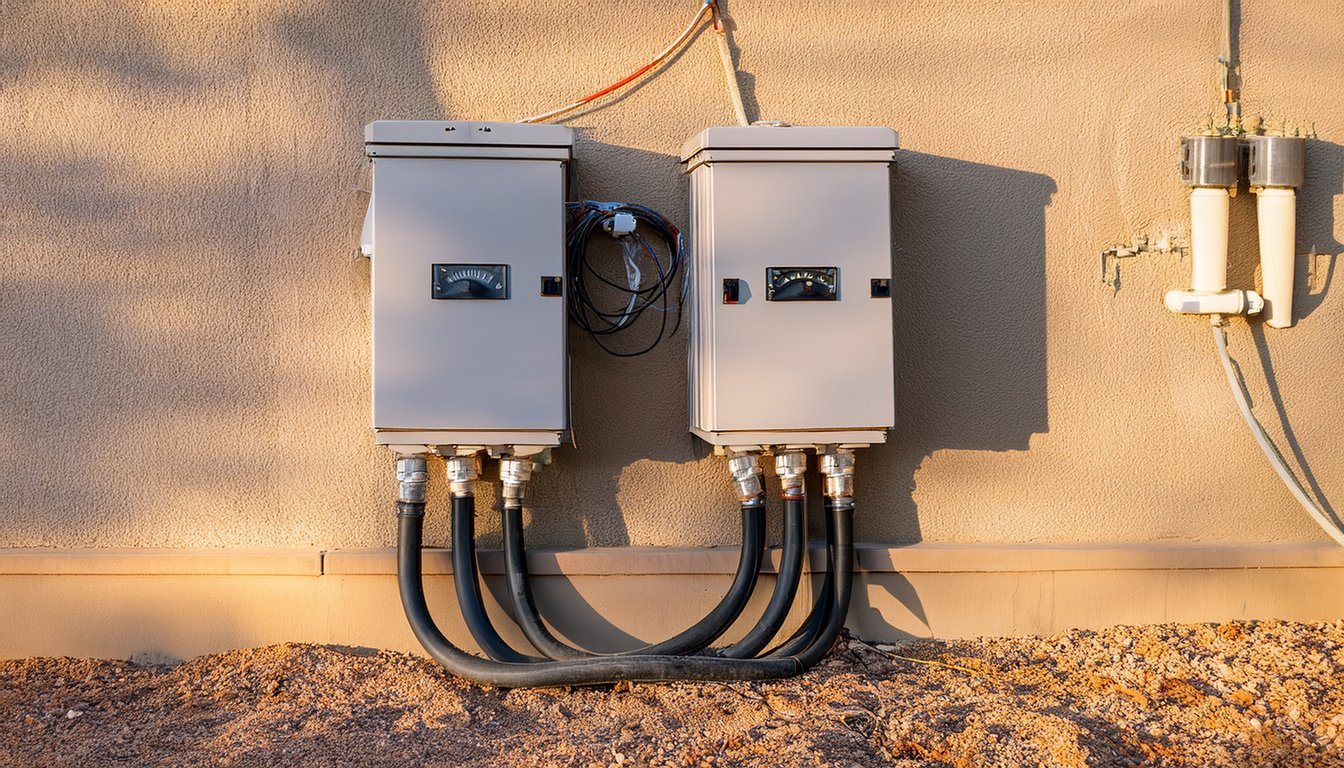
How it's built varies by utility. In our experience, some utilities meter a residential 400 amp service with a meter socket rated for 320 amps of continuous load, feeding two 200 amp panels, while others use a current-transformer cabinet. Either way, it's more equipment than a 200 amp service, and our 400 amp service cost guide covers what the upgrade involves and costs.
The load calculation decides, not the square footage
A service is sized by a load calculation, the method the electrical code uses to estimate how much demand a home will put on its service. Some code editions also allow a measured-demand method for existing homes; your building department confirms which applies. In our experience, the inputs fall into a few groups:
- The house itself: its size and general lighting and outlet load, which is where square footage enters, as one input among many.
- Fixed appliances: the water heater, range or cooktop, dryer, dishwasher and similar.
- Heating and cooling: furnaces, air conditioning and heat pumps, often the largest single load.
- Long-running loads: EV chargers, pool pumps and heaters, and other equipment that runs for hours at a time.
- What's coming: an ADU, a second EV, a switch from gas to electric appliances, or a planned addition.
That last group is the one people forget. In our experience, a service sized for the house as it is today can fall short a year later when the ADU goes in. The load calculation should include the plan, not just the present. Our panel upgrade cost guide covers the signs that a house has outgrown its current panel.
What homes actually use
Real demand usually runs far below a home's service rating. A Lawrence Berkeley National Laboratory study drew on "metered data from a convenience sample of 11,940 U.S. dwellings from four sources" and found that "Mean 15-minute maximum demand was 9.7 kW (median 9.0 kW; IQR 7.0-11.5 kW)." These are national, measured peaks, not a code load calculation, and they don't guarantee anything about a particular house, but they show how much headroom a typical service has.
The study also identified what pushes a home's peak up: "Dwelling maximum demand was driven by higher-power, longer-duration heating appliances and vehicle charging." In our experience, that matches what we see. The homes that need more capacity are the ones adding electric heat, EV charging and other long-running loads, often all at once.
200 amp vs 400 amp service
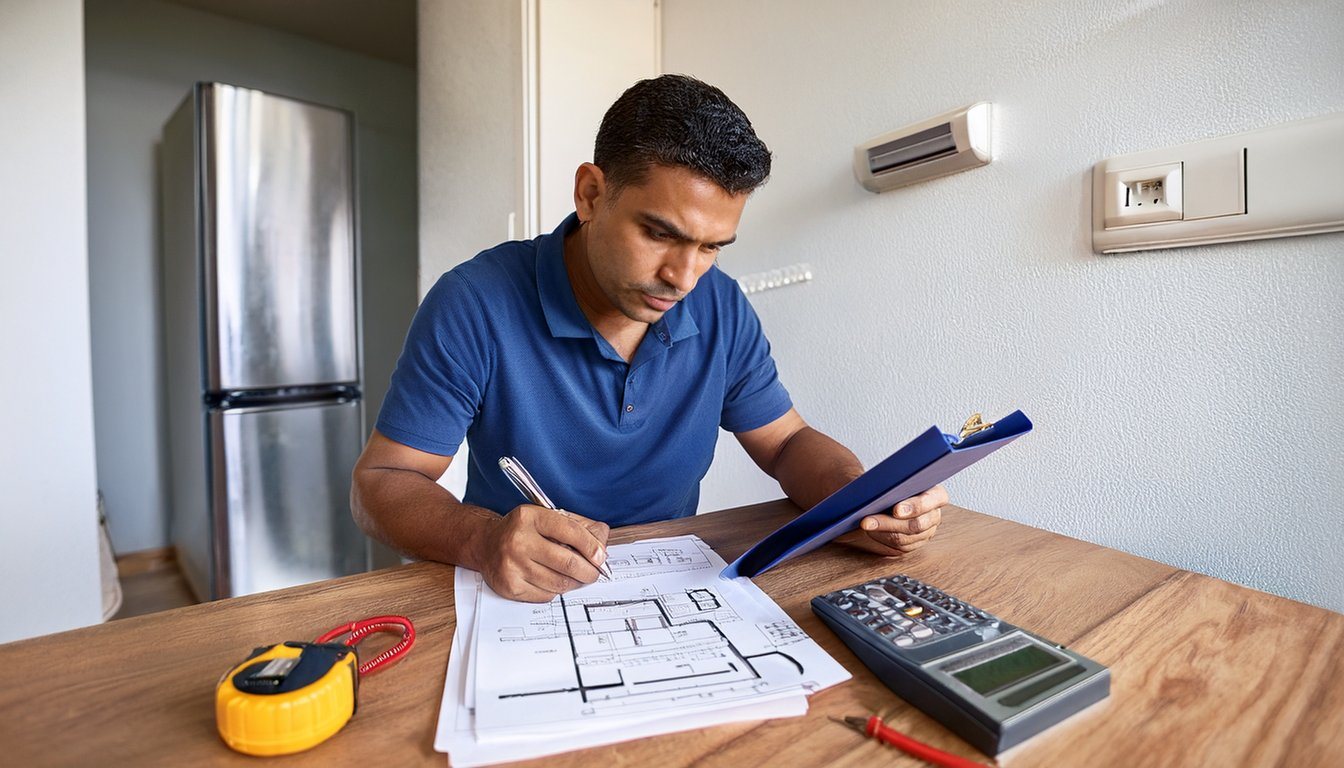
For most homes, the comparison comes down to what you plan to run. Schneider Electric, which sells home energy management systems, says that "200A remains the standard for new homes built today, as it meets modern electrical demands." California's energy code points the same way for new construction: the California Energy Commission's 2025 single-family compliance form for the Energy Code (Title 24), effective January 1, 2026, lists battery-ready requirements for newly constructed homes, including "The main panelboard shall have a minimum busbar rating of 225 amps." In our experience, a busbar rating isn't the service rating; a 225 amp busbar is commonly paired with a 200 amp service.
Where each one usually fits, in our experience:
| Situation | 200 amp service usually works | 400 amp service worth a look |
|---|---|---|
| Typical house, gas heat and water | Yes | Rarely |
| All-electric house of average size, one EV | Usually, after a load calculation | Only if the calculation says so |
| Large all-electric house, two EVs, heat pump | Sometimes, with load management | Often |
| Main house plus ADU on one service | Depends on both units' loads | Often, unless the ADU gets its own meter |
| Pool, spa, heat pump and EVs together | Hard to fit | Usually |
If the calculation lands close to the limit, a service in between, or two panels on one larger service, may be options depending on the utility. The point is to size to a number, not to a feeling.
Before you upgrade: load management and other options
An upgrade isn't the only way to add big loads. Schneider Electric puts it this way: "It is reassuring to know that many homes may accommodate their electrical needs with 200A service and a smart home energy management system (HEMS), which ultimately creates the ability for service upgrade avoidance – a cost-effective solution for homeowners and builders alike." Keep in mind that the company sells those systems.
In our experience, the options worth pricing before a full upgrade are:
- EV load management: chargers or controllers that slow or pause charging when the house is busy. Recent editions of the electrical code include provisions for energy management systems and EV load management; whether they apply depends on the edition your city has adopted.
- A smart panel or load controller: it sheds or shifts large loads so they don't all run at once.
- Load sharing between large appliances: for example, a device that lets a dryer and an EV charger share one circuit.
- A separate meter for an ADU: where the utility allows it, an ADU on its own service keeps the main house's load calculation smaller. Our ADU construction cost guide covers the ADU side.
- A subpanel: if the service has room but the panel is full, a subpanel adds space without adding service capacity; our guide to the 200 amp sub panel explains why the label on the box isn't its capacity.
None of these helps if the calculation truly exceeds what 200 amps can carry. They help when the problem is peaks that can be managed, not total demand.
The utility side
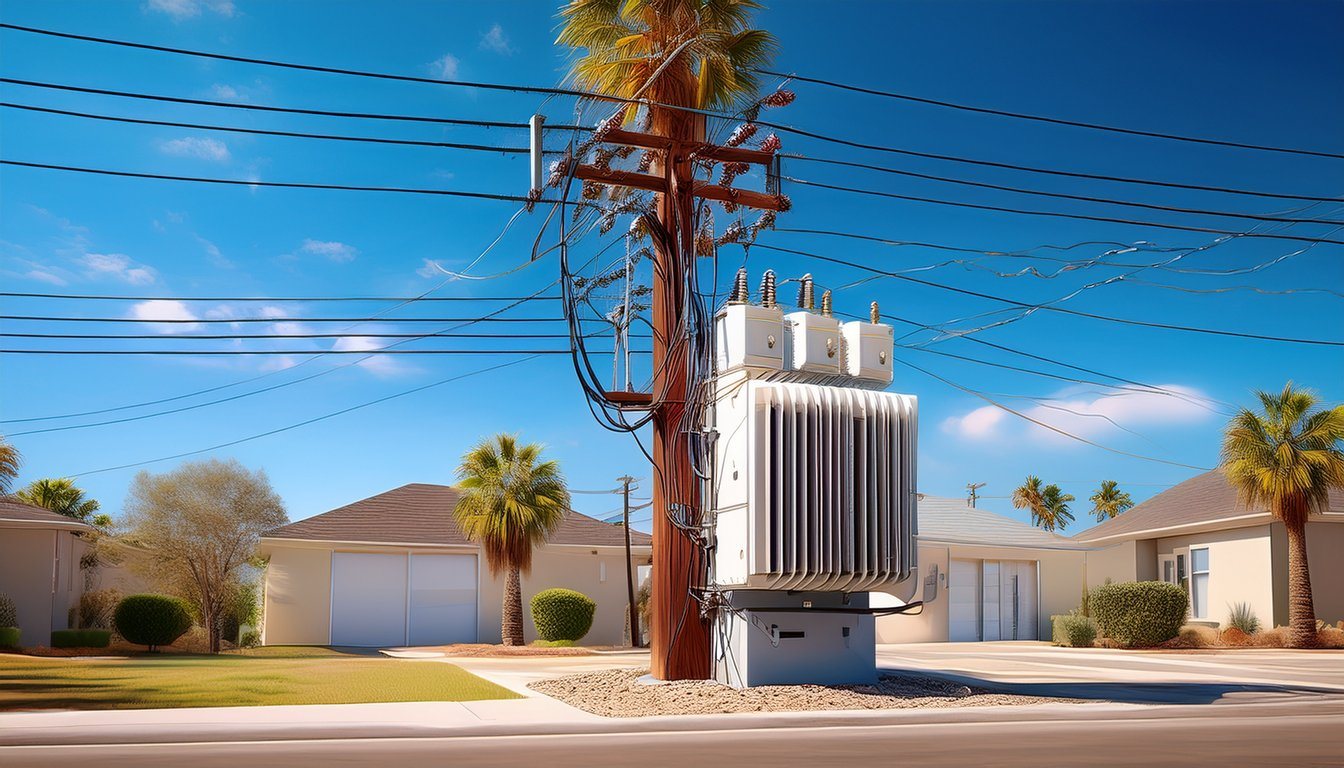
Your electrician can size the service, but the utility has to supply it. Schneider Electric notes that "For instance, the utility may have a long queue of requests in front of you, or it may require that the utility put in a new transformer, which can add cost and time." In our experience, that's the part of a 400 amp project that's hardest to schedule. The electrical work can be ready in days while the utility's design, transformer and connection take much longer.
In Los Angeles, whether your home is served by LADWP or SCE shifts the process, the meter equipment the utility accepts and who does the work on the utility side. The utility may also require the new service to come in underground, which adds trenching and conduit; our underground conduit cost guide covers that piece.
Planning ahead without overbuilding
There's a middle path between upgrading now and ignoring the future. In our experience, the cheapest time to prepare for a bigger service is when the walls or the ground are already open for another reason.
- If you're trenching for an ADU, a pool or a new water line, ask whether a larger conduit for a future service can go in the same trench. Conduit in an open trench is a small cost; a second trench later is not.
- If you're replacing the panel anyway, a panel with more breaker spaces and room for load management gives you options without changing the service size.
- If you're remodeling near the meter, leave wall space and working clearance where a larger service would go, so a later upgrade doesn't mean moving finished work.
- If you're adding solar or a battery, design the panel and the service together, since the same equipment carries both.
In our experience, these steps cost little when they ride along with other work, and they turn a future upgrade from a project into a swap. They're also easier to justify than a 400 amp service sized for loads that may never arrive.
Questions to settle with your electrician
- What does the load calculation show today, and with everything we plan to add?
- Was it based on measured demand or the standard method?
- Would load management or a separate ADU meter keep us on 200 amps?
- Has the utility confirmed it can supply 400 amps, and does the transformer need an upgrade?
- Where will the new meter and panels go, and does the utility require an underground service?
- If solar or a battery is planned, how does the panel handle it?
The bottom line
400 amp service is the answer to a load calculation, not to the size of the house. Most homes, including many all-electric ones, fit on 200 amps, especially with load management. When the calculated load of everything you plan to run really exceeds that, 400 is the right call, and the utility's timeline is the part to plan around. Medici Construction Group is one licensed option for electrical service upgrades and load calculations, holding California A, B and C-10 licenses under CSLB #1114433.
Frequently asked questions
How do I know if I need 400 amp service?
Start with data. In our experience, an electrician can work from typically a year of utility demand data or a recording period the code specifies, where the adopted code allows it, and then add the loads you plan to install. The result shows how much room is really left.
How much power is 400 amp service?
In our experience, 400 amps at 240 volts works out to 96 kVA of rated capacity. Loads that run for hours, like EV charging, are held to a lower share of that rating, so usable capacity is less than the headline number.
Does an EV charger require 400 amp service?
Rarely on its own. A single charger usually fits on a 200 amp service after a load calculation; our guide on whether you need a Level 2 charger covers the charger side.
Do solar panels or a battery change the answer?
They can. Solar and batteries feed power back through the panel, and the panel's busbar rating limits how much it can accept; our solar interconnection costs guide covers the electrical work that can follow.
What does it mean if the utility says no?
Usually that the transformer or line serving your street can't carry the added load yet. In our experience, the utility then schedules its own upgrade, which is why the utility's timeline, not the electrician's, often sets the finish date.
Does 400 amp service raise my electric bill?
Not by itself. In our experience, the bill reflects the energy you use, not the size of the service, although some utilities have connection or service charges that vary with service size.
Where does a 400 amp service physically go?
In our experience, it needs more wall space than a 200 amp service, clear working space in front, and a meter location the utility approves. If the utility requires the new service to come in underground, trenching becomes part of the job.