More than a year and a half after the January 2025 fires, many Palisades and Altadena owners are holding two numbers: what the insurance company says the house is worth rebuilding, and what builders say it will cost. The actuarial firm Milliman estimated the average replacement cost per home at "$955,000" in the Palisades Fire and "$574,000" in the Eaton Fire.
Averages don't rebuild your house, though. What decides your rebuild is the gap between what your house costs to rebuild to today's fire code and what your policy will actually pay. This guide covers what rebuilds cost, why the two numbers differ, which California rules and coverage pieces close the gap, and how to put together an estimate you can take to your adjuster. For the City of LA permit process itself, see our step-by-step fire rebuild guide, or our Altadena/LA County permit guide if you're rebuilding in unincorporated County territory. It isn't legal or insurance advice; for your specific claim, talk to your insurer, the California Department of Insurance or an attorney.
Quick answers
- Typical cost: Milliman's average replacement cost estimates were about $955,000 per Palisades home and $574,000 per Eaton home, before loss adjustment expenses and other excluded costs.
- Per square foot: national guides start around $100 to $500 for custom homes; LA fire rebuilds run well above national averages in our experience.
- Why the numbers differ: scope, code upgrades your old house didn't have, site work and timing.
- Time to collect: after a declared emergency, California gives you at least 36 months from the first payment to collect full replacement cost, with extensions for good cause.
- Code upgrades: covered only if your policy includes it, and that coverage can't reduce your dwelling limit.
- First step: a trade-by-trade estimate you can compare with the insurer's line by line.
What rebuilding costs
Milliman's figures are the best public estimate for the 2025 fires, but they come with an important footnote: the estimates leave out "Losses from the ordinance or law coverage (building code upgrade coverage)" and assume every home was insured to full value. Your total can include things those averages leave out, starting with code upgrades. Our guide to ground up construction covers the stages and timeline of building new.
National guides give a starting range. Angi says "The cost to build a custom home can range anywhere from $100 to $500 per square foot, with the average sitting right around $150 per square foot." That's a national baseline, not an LA fire number. After Colorado's Marshall Fire, the state's insurance regulator found that "if the costs are $350 a square foot, 67% of the Marshall Fire properties are underinsured," which gives a sense of where rebuild costs land after a large urban fire.
In our experience, LA fire rebuilds cost more than national averages for four reasons: hillside lots with retaining walls and deep foundations, access for trucks and equipment on narrow streets, the finish level of homes in these neighborhoods, and thousands of owners building at the same time.
Why the insurer's number and the contractor's number differ
Scope. An insurer's estimate and a builder's estimate may not describe the same house. United Policyholders, a consumer nonprofit, explains that a scope of loss should include "the quantity and quality of materials and the current cost of those materials and labor," with "a detailed estimate broken down by construction trades and materials." If the insurer's version is missing rooms, features or finish quality, the gap shows up here.
Code upgrades. Your old house was built to the code of its day. A rebuild has to meet today's. California's Office of the State Fire Marshal explains that fire-zone standards were set "to resist the intrusion of flames or burning embers," under the California Wildland-Urban Interface Code. In our experience, that means items like ember-resistant vents, ignition-resistant siding, tempered glass and fire-rated roofing and decks, and they add cost the pre-fire estimate never included.
Everything outside the walls. In our experience, builders price items insurers sometimes treat separately or miss: removing and replacing a damaged foundation, retaining walls, driveways, utility lines to the street, grading and drainage. Our retaining wall cost guide covers one of the bigger ones on hillside lots.
Timing. An estimate written early in 2025 may not reflect what labor and materials cost when your rebuild actually starts.
Underinsurance. Many owners simply didn't carry enough coverage. United Policyholders reports an insurance industry estimate that "An estimated two-thirds of American homeowners policyholders are underinsured, typically by 20%, and by as much as 60%." That's a national estimate, not a study of the LA fires, but it explains why the gap is so common.
The coverage pieces that close the gap
California law sets several minimums after a declared state of emergency. These are the ones that most affect a rebuild budget.
Time to collect replacement cost. Under Insurance Code section 2051.5, in a declared emergency a time limit of "less than 36 months from the date that the first payment toward the actual cash value is made shall not be placed upon the insured." Insurers must also grant "one or more additional extensions of six months for good cause," such as permit delays or a shortage of contractors. In our experience, the clock is what forces many owners to decide on a builder before they're ready, so track your date.
Rebuilding somewhere else. The same section says that if you rebuild or buy elsewhere, the payment is measured by "the amount that would have been recoverable had the insured dwelling been rebuilt at its original location."
Code upgrade coverage. United Policyholders says code upgrade coverage "is usually shown as a percentage of the Coverage A – Dwelling limit – typically 10%, 25%, or 30%." California's Department of Insurance notes that this coverage "shall not reduce or deplete the dwelling coverage policy limits for the insured property." In our experience, the fire-zone upgrades above are exactly what this coverage is for, so find the percentage on your declarations page.
Living expenses while you rebuild. The Department of Insurance says that after a declared emergency, most policies "are required by law to provide at least 24 months of ALE coverage, with extensions available if rebuilding is delayed due to circumstances beyond the homeowner's control." ALE, or additional living expenses, pays for rent and other costs while you're displaced, and a long rebuild uses all of it.
Contents. A law that took effect January 1, 2026, SB 495, "requires insurance companies to pay 60 percent of contents coverage limits, capped at $350,000, to wildfire survivors who experience a total loss without needing to submit a detailed inventory list." Contents money isn't for the house, but it can keep you from dipping into rebuild funds.
Costs that fire rebuilds can avoid or defer in LA
Permit fees. The City of LA's executive order directed departments to "suspend the collection of the fees associated with those permits" for rebuilding single-family homes and duplexes in the fire zones. LA County approved a motion to "defer and refund fees for qualifying property owners rebuilding single-family homes in unincorporated Los Angeles County," for applicants who both owned and lived on the property before January 7, 2025.
Some code changes. A July 2025 state executive order gave rebuilds "a narrow exemption from requirements to install solar panels and associated battery storage systems" while keeping the "Solar Ready" requirement, and an exemption from the 2025 residential code changes "other than fire safety related standards." Orders like this can be extended or changed, so check the current status with your designer before you finalize plans.
Debris removal. The Army Corps of Engineers' Phase 2 program covered removing chimneys, hazardous trees, fire ash and debris, foundations if specified, and up to 6 inches of soil in the ash footprint for properties enrolled in it. If you hired a private crew instead, that cost belongs in your budget and your claim.
How to build a rebuild estimate you can take to your adjuster
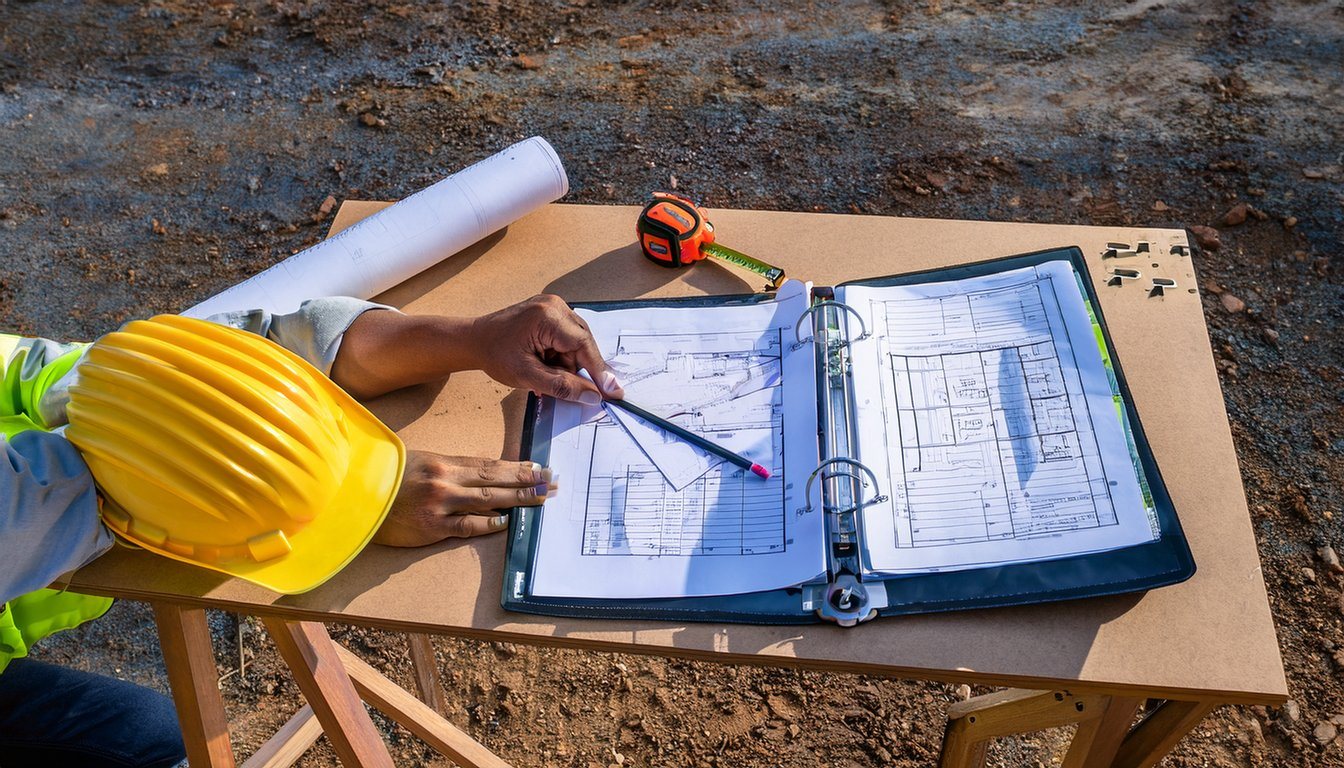
United Policyholders says "A clear and complete scope of loss helps a property owner get a fair, full and prompt insurance claim settlement." In our experience, an estimate that holds up in that conversation has these parts:
- The house as it was. Square footage, room count, ceiling heights, finish level and special features, backed by old plans, photos, appraisals or listing materials.
- Trade by trade. Foundation, framing, roofing, windows, electrical, plumbing, HVAC, drywall, cabinets, flooring and finishes, each priced at current cost.
- Code upgrades as their own section. So they can be matched to your code upgrade coverage.
- Site work as its own section. Foundation removal, retaining walls, driveway, utilities, grading and drainage.
- Soft costs. Design, engineering, surveys and soils reports.
- A price date. So everyone knows when the numbers were current.
Then compare it with the insurer's estimate line by line. The Department of Insurance's advice to wildfire claimants is "Do not assume you have inadequate coverage based on general information you hear about building costs." Check your own numbers against your own policy.
Hiring for a rebuild
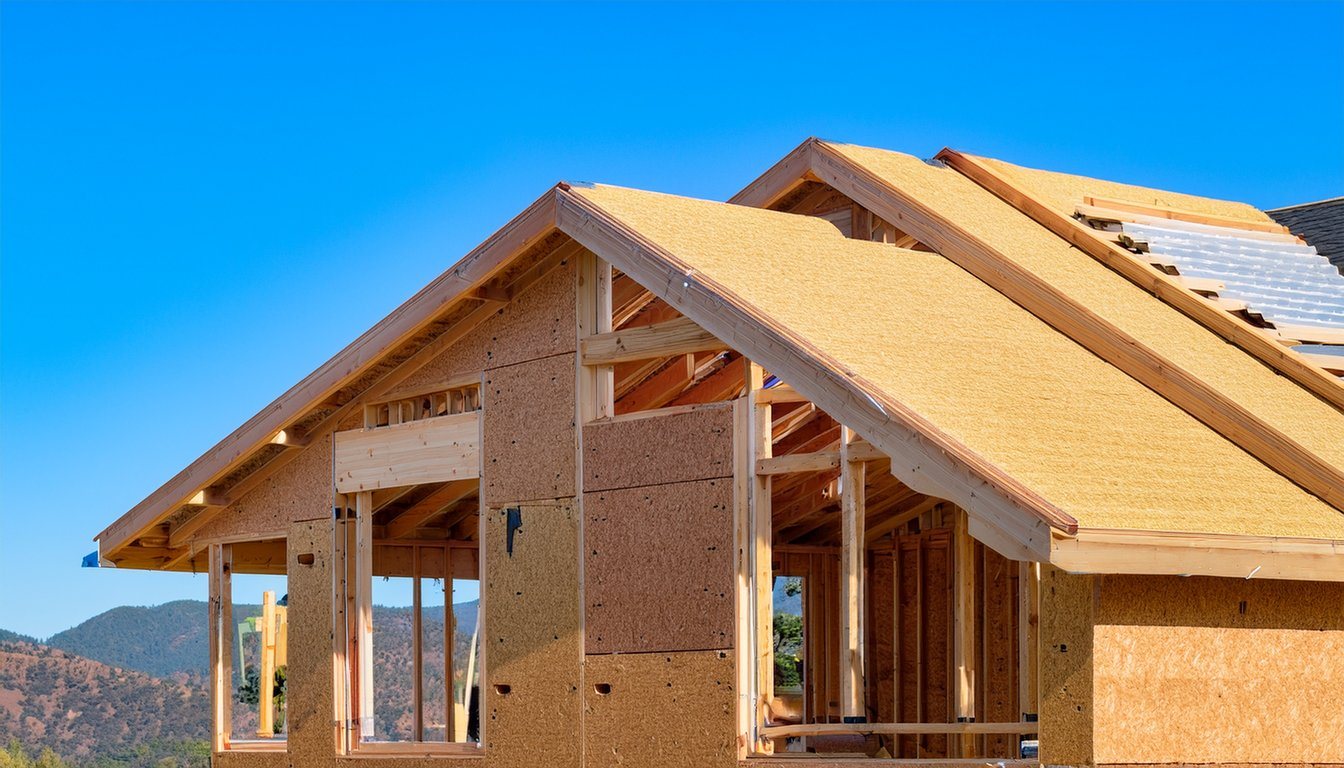
Disasters bring out unlicensed operators. The Contractors State License Board's rebuild guidance says "Get at least three bids" and "Make sure they are licensed". State law also limits what a contractor can take up front: the down payment "shall not exceed one thousand dollars ($1,000) or 10 percent of the contract amount, whichever amount is less." Our guide on how to check a California contractor's license walks through the lookup.
If your lot is on a slope, protect it before and during construction; our guide on how to stop erosion on a slope has a section for burn areas.
Medici Construction Group is one licensed option for fire rebuilds, holding California A, B and C-10 licenses under CSLB #1114433. In our experience, a trade-by-trade rebuild estimate from a licensed general contractor is the clearest way to compare against an insurer's number. Whoever you use, get the estimate in writing and in the same format as the insurer's.
Frequently asked questions
How much does it cost to rebuild a house after a fire in LA?
Milliman estimated average replacement costs of about $955,000 per home in the Palisades Fire and $574,000 in the Eaton Fire, excluding loss adjustment expenses and some other costs. Your cost depends on size, finish level, site work and code upgrades.
Why is my insurance estimate lower than my contractor's?
Usually because of scope, code upgrades, site work or timing. Compare the two line by line to find which items are missing or priced differently.
Does insurance pay for code upgrades after a fire?
Only if your policy includes code upgrade coverage, usually 10%, 25% or 30% of the dwelling limit. California says that coverage can't reduce your dwelling limit.
How long do I have to rebuild after a fire in California?
After a declared emergency, you have at least 36 months from the first actual cash value payment to collect full replacement cost, and insurers must grant six-month extensions for good cause.
Can I rebuild somewhere else and keep my insurance payout?
Yes. California law measures the payment by what it would have cost to rebuild at the original location.
How long will insurance pay for temporary housing after a wildfire?
After a declared emergency, most policies must provide at least 24 months of additional living expenses, with extensions if the rebuild is delayed for reasons outside your control.
How much can a contractor ask for up front on a fire rebuild?
No more than $1,000 or 10 percent of the contract, whichever is less, under California law.
How do I know if I'm underinsured before I rebuild?
Get a current, trade-by-trade rebuild estimate that includes code upgrades and site work, and compare it with your dwelling limit plus any extended replacement and code upgrade coverage. Industry estimates suggest many homeowners are underinsured, often by 20% or more.