When sewage comes up through a shower drain in Los Angeles, the most useful question is not "who is the fastest plumber?" It is "whose pipe is blocked?" The answer decides who you call, how fast it gets fixed and who pays.
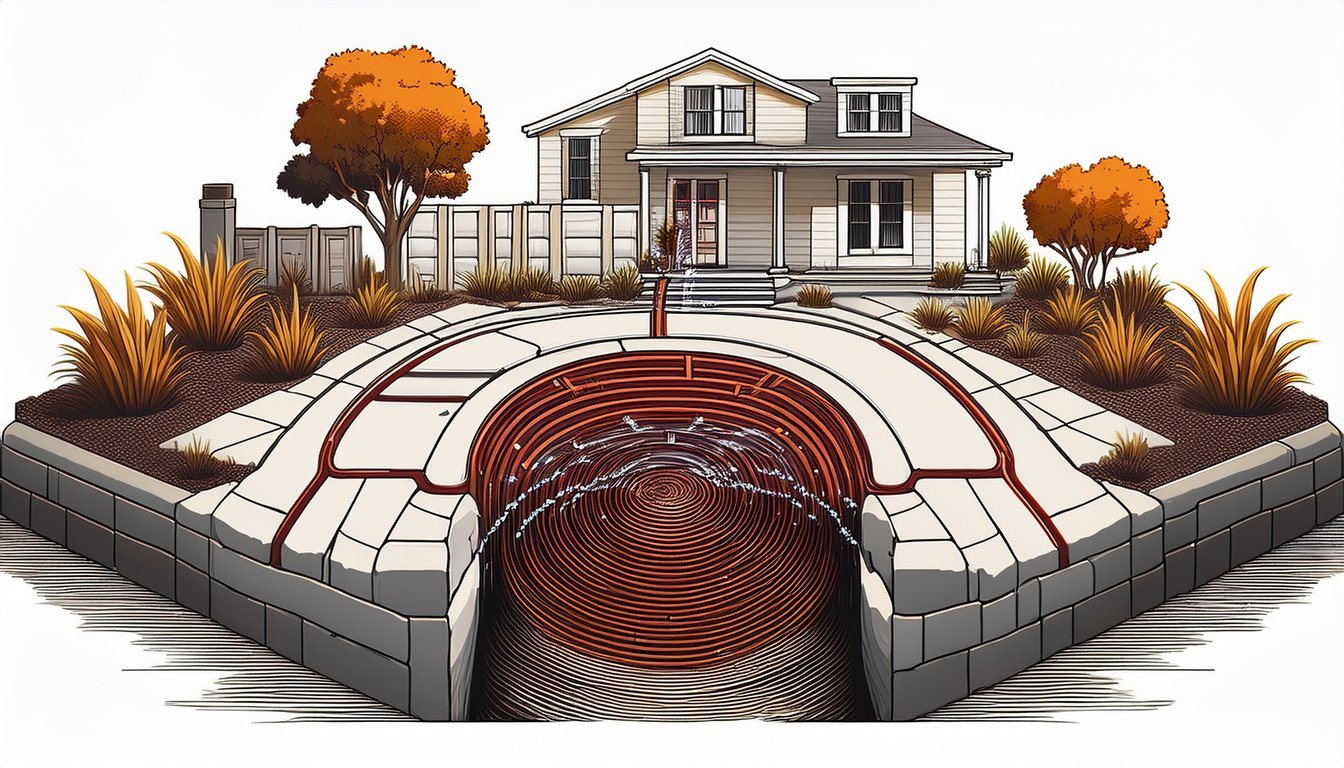
LA Sanitation draws the line clearly: "The public sewer mainline belongs to the city, but the pipe connecting your home or business to that mainline is a private line called a sewer lateral." The lateral runs from your house to the main in the street, and it is yours. In our experience, most backups start in that private section, though some start in the City's main. This guide explains how to tell the difference, what causes backups in LA, what to do first and how to keep it from happening again.
What a sewer backup is, and the warning signs
A sewer backup happens when wastewater cannot flow out through the sewer, so it comes back up through the lowest openings in the house. Those are usually a ground-floor shower or tub, a floor drain, or a toilet. The major cost guides list the same early warnings:
- Several drains running slowly or backing up at once. This Old House says that pattern, especially at toilets and lower-level fixtures, may indicate a blockage or break in the main sewer line.
- Water rising in the tub or shower when a toilet is flushed, which Angi says likely points to a sewer line issue.
- Gurgling from drains, or a sulfur smell, both on Angi's list of sewer line warning signs.
- Yard changes along the sewer line, such as a new indentation or mysteriously soggy grass.
One slow sink is usually a local clog in that fixture's drain. Several fixtures misbehaving together is a sewer problem.
Your lateral or the City's main? How to tell
You cannot see the pipe, but the pattern of the backup gives strong clues. This is how we read it in the field:
| What you see | Most likely location |
|---|---|
| One fixture is slow, the rest drain fine | A clog in that fixture's branch drain inside the house |
| Toilets, tub and floor drains back up together, especially when the washer drains | Your main building drain or lateral |
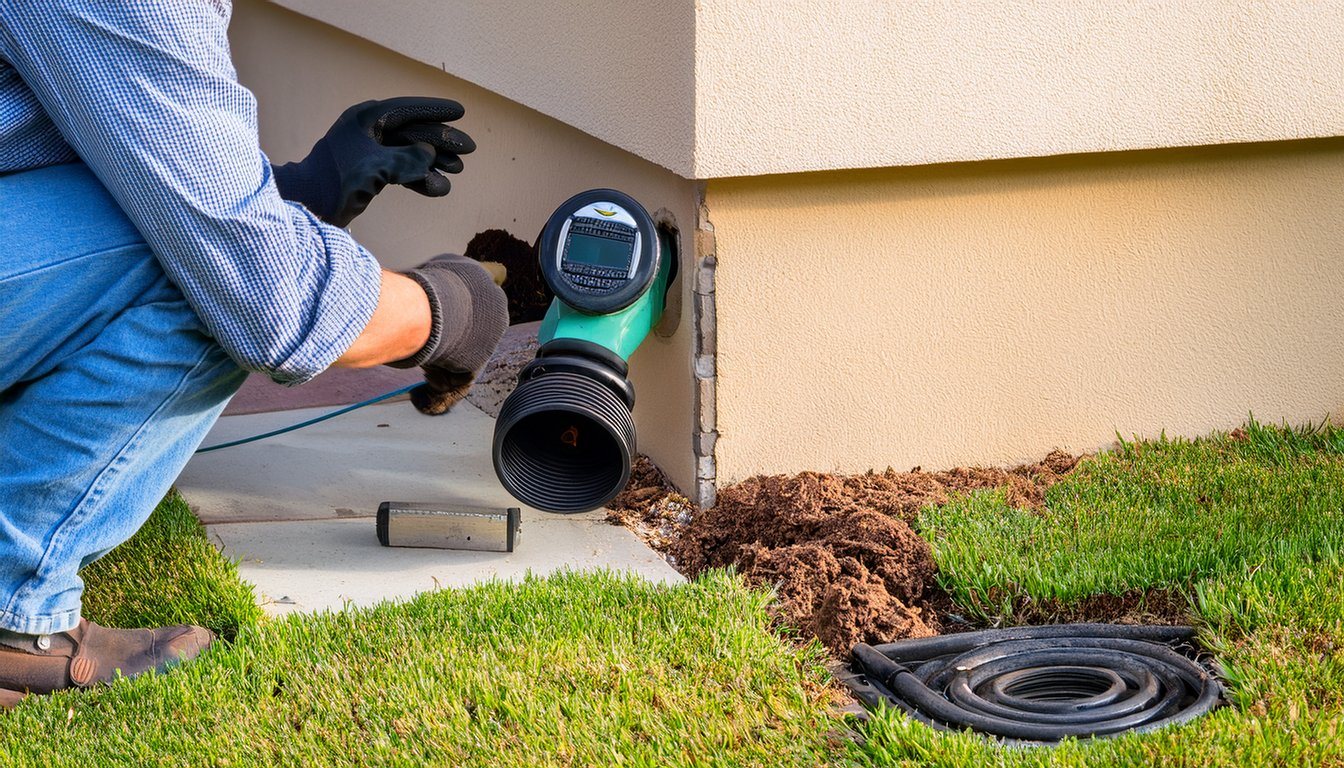
| Water stands in your outdoor cleanout when you open it | A blockage downstream of the cleanout, in the lateral or the main |
| Your cleanout is dry but the house backs up | A blockage upstream of the cleanout, inside or under the house |
| Neighbors on the same street report backups at the same time | Possibly the City's main |
If sewage is actively coming out of your yard cleanout, our overflowing cleanout guide covers the immediate do and don't list. For how responsibility splits in condos, rentals and shared lines, see who is responsible for sewer line repair.
Who to call. If you are in the City of Los Angeles and suspect the public sewer, report it to LA Sanitation's 24/7 Customer Care Center at 1-800-773-2489 so the City can check its main. In unincorporated LA County or a member city of the Consolidated Sewer Maintenance District, LA County Public Works says to call (800) 675-HELP immediately. It also notes that "the house lateral is the responsibility of the homeowner." If the City's main is clear, the problem is in your lateral, and that needs a licensed plumber or sewer contractor.
What causes sewer backups in Los Angeles
Grease
Cooking grease is liquid going down the drain and solid a few feet later. The LA County Sanitation Districts warn that "FOG can solidify in your plumbing or local sewer and create blockages." In our experience, grease from years of dishwashing collects in the same low spots in a lateral, so the first clog is often not the last.
Wipes
"Flushable" does not mean it breaks down. The LA County Sanitation Districts say single-use wipes "may be labeled as 'flushable,' but that does not mean they disappear when they are flushed down the toilet." The EPA lists baby wipes, facial wipes, sanitary pads and tampons, including some marked "flushable," among the materials that may create blockages. In our field experience, wipes also catch on roots and grease, which turns a small restriction into a full stoppage.
Tree roots
Roots follow moisture. The Sanitation Districts explain that roots intrude into sewer pipes through cracked or separated joints and, over time, form root balls that can clog or rupture the pipe. In our work, older laterals with many joints next to mature street trees are a common LA combination.
Broken, offset or sagging pipe
In our experience, a lateral that has cracked, shifted at a joint or settled into a low spot holds water and debris. Cleaning clears it for a while, but the defect stays. That is why a camera inspection matters when a backup repeats.
Rain getting into the sanitary sewer
Storm drains and sanitary sewers are meant to be separate systems, but rainwater can still find its way into the sewer. The EPA notes that stormwater and groundwater entering through cracks and leaky joints can overload a sanitary sewer. So can improper connections such as sump pumps, roof leaders, foundation drains and area drains. A backup that only happens during storms points in this direction.
What to do first during a backup
Stop using water. Every flush, shower and load of laundry adds to what comes back up. Then protect people. The CDC advises you to "wear rubber boots, rubber gloves, and goggles if sewage is involved" and to keep children and pets away from the affected area until cleanup is complete. Take photos before anything is moved, since you may need them for insurance or a claim. If you suspect the public main, call the number above. Our emergency sewer backup guide walks through the first hour step by step. Our guide on who to call for a sewer backup covers the order of calls, from plumber or utility to cleanup, insurer and landlord.
How sewer backups get fixed
Clearing a backup and fixing its cause are two different jobs. Here is how the common methods compare in practice:
- Cabling (snaking) pushes a rotating cutter through the line to open a path. In our practice, it is fast and often restores flow the same day.
- Hydro jetting uses high-pressure water to scour grease, sludge and fine roots off the pipe walls. In our experience, it cleans more thoroughly than a cable.
- A camera inspection shows why the line clogged: roots at a joint, a sag, a break, or grease buildup. Without it, you are guessing.
What to ask for after a cleaning. Whoever clears the line should tell you where the blockage was and what it was made of. (For hiring that person, see how to hire a sewer backup plumber.) Ask for four things. First, the camera video itself, not just a summary. Second, the footage count from the cleanout to each problem spot, so a later repair can target the right place. Third, whether the camera reached the City main. Fourth, a plain description of what they saw: roots, grease, a separated joint, a belly holding water, or broken pipe. That record helps you compare repair bids. It also matters for the City's rebate programs, which ask for the CCTV video and inspection report as part of the application.
We break down what each of these costs in LA in our sewer backup repair cost guide.
When backups keep coming back
If the backup is in your lateral and it keeps recurring, a camera inspection tells you whether the fix is a spot repair or a full replacement. LA Sanitation notes that after a backup, owners "will need to find out the cause of the backup and may need to have your sewer lateral repaired." Our guide to sewer line replacement cost in Los Angeles covers the repair options, the City's lateral rebates and what a complete bid should include.
How to prevent the next sewer backup
- Keep grease out of the drain. Let it cool, scrape it into the trash, and wipe greasy pans before washing. The Sanitation Districts say "Do not pour waste oil or cooking residue directly into your drain."
- Flush only toilet paper. Put wipes, including "flushable" ones, in the trash.
- Watch the trees. If a mature tree sits near your lateral and you have had root problems, schedule periodic cleaning and a camera check rather than waiting for the next backup.
- Disconnect rainwater. Roof leaders, area drains and sump pumps should not discharge into the sanitary sewer, per the EPA's list of connections that overload it.
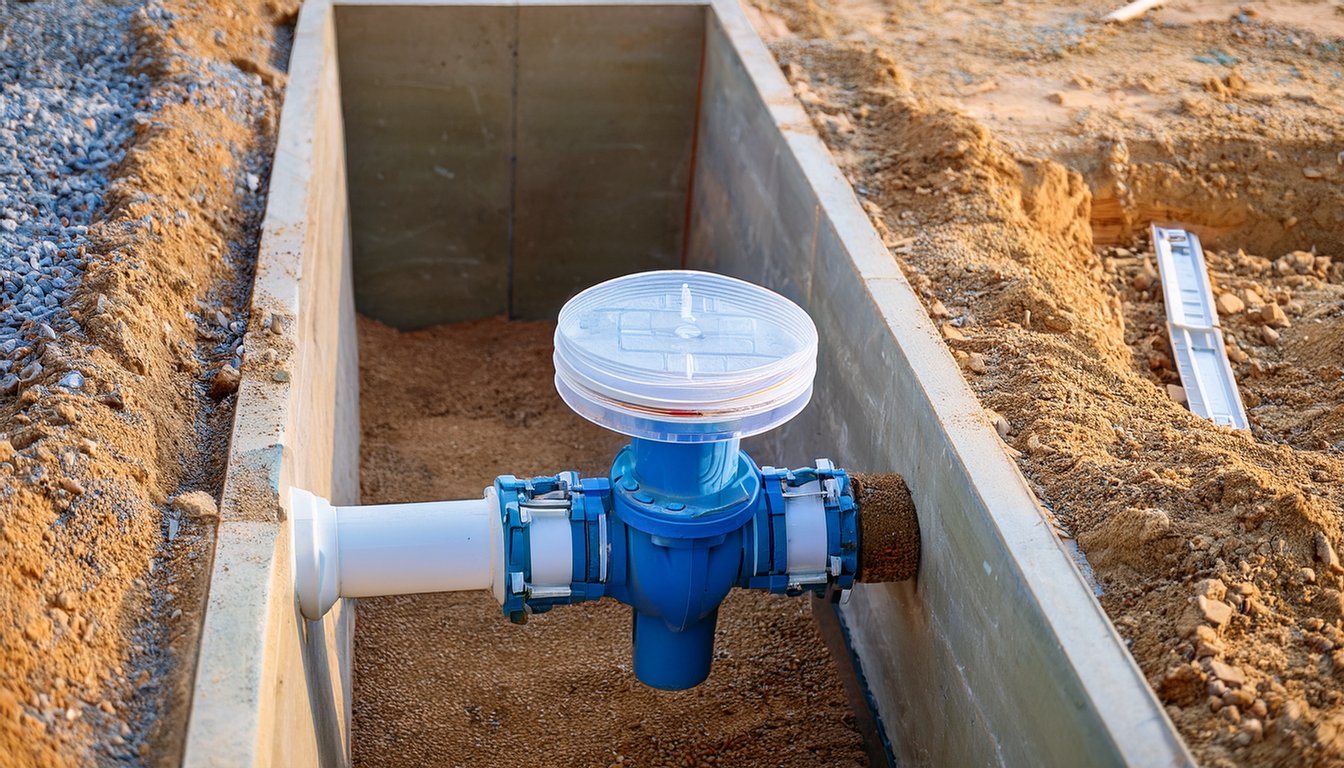
- Consider a backwater valve. A backwater valve lets sewage flow out but stops it from flowing back in. The LA County Sanitation Districts note that one may be required under the California Plumbing Code (CPC 710.1) when your lowest drain sits below the upstream public manhole cover, and that meeting that requirement is the property owner's responsibility. Our backwater valve guide covers how to check.
- Know where your cleanout is. In our experience, a clear, accessible cleanout makes clearing a backup faster and cheaper. If yours is missing or buried, see our sewer cleanout installation cost guide.
Who pays for a sewer backup
If the blockage is in your lateral, the repair is yours. LA Sanitation explains that because a lateral serves one property, "it cannot be repaired at the expense of the city's utility ratepayers." Insurance is not automatic either. The Insurance Information Institute notes that sewer backup coverage "is available from most providers for a nominal cost", meaning you usually have to add it. If you believe a City main caused the damage, claims against the City of Los Angeles have strict filing deadlines. The City Attorney's claims page says claims for injury to person or personal property must be filed within six months of the occurrence, and claims for damage to real property within one year. Our guide to water and sewer backup coverage explains what the endorsement pays for and what it excludes.
Medici Construction Group is one licensed option for sewer lateral work, holding California A, B and C-10 licenses under CSLB #1114433. If your line keeps backing up, whoever you call should start with the camera video.
Frequently asked questions
Who is responsible for a sewer backup in Los Angeles?
It depends on where the blockage is. LA Sanitation says the public main belongs to the City and the lateral connecting your property to it is private. Blockages in your lateral are the owner's responsibility.
Who do I call for a sewer backup in LA?
If you suspect the public sewer in the City of Los Angeles, call LA Sanitation's 24/7 line at 1-800-773-2489. In unincorporated LA County or CSMD member cities, call (800) 675-HELP. For a blockage in your own lateral, call a licensed plumber or sewer contractor.
What causes a sewer backup?
The most common causes are grease, wipes and other items that should not be flushed, tree roots entering through cracked joints, damaged or sagging pipe, and rainwater getting into the sanitary sewer, according to the LA County Sanitation Districts and the EPA.
Is a sewage backup dangerous?
Treat it as contaminated. The CDC advises wearing rubber boots, rubber gloves and goggles when sewage is involved, and keeping children and pets away until cleanup is complete. Large or repeated backups are a job for a professional cleanup crew.
Does homeowners insurance cover sewer backups?
Often only if you added it. The Insurance Information Institute notes that sewer backup coverage is available from most providers for a nominal cost, so check your policy for a water or sewer backup endorsement.
Who is responsible for a sewer backup in a rental?
Under LA Sanitation's rules, the lateral is the property owner's private line, so repairs to it fall on the owner rather than the City. How costs are split between landlord and tenant is a lease and legal question, so check your lease and get advice if the cause is disputed.
Can heavy rain cause a sewer backup?
Yes. The EPA notes that stormwater and groundwater entering through cracks and leaky joints, or through roof leaders and area drains connected to the sewer, can overload a sanitary sewer.
How do I prevent a sewer backup?
Keep grease and wipes out of the drains, keep rainwater connections off the sanitary sewer, have root-prone lines cleaned and inspected, and check whether your home needs a backwater valve.