Two plumbers can clear the same sewer backup. In our experience, one runs a cable through the cleanout, sees the water drain and leaves. The other clears it, runs water through several fixtures, tells you what came out of the pipe and where, and offers to look inside the line. Both fixed the backup. Only the second one told you whether it's likely to come back.
Plumbers do handle sewer backups in the line that serves your home. If the public sewer in the street is the problem, in our experience the sewer utility handles it; our guide to who to call for a sewer backup explains how to tell which is which. This guide is about hiring the plumber: what to check, what to ask, and what a good visit leaves you with.
Quick answers
- Who clears it: a licensed plumber for your own sewer line; the utility for the public main.
- License: in California, the C-36 plumbing classification covers waste and sewer piping; check the license on the CSLB site.
- A good visit ends with: flow tested at several fixtures, a note of where the blockage was and what it was, and a recommendation.
- Before any repair: get the camera video and a written scope, and compare bids.
Whose job is it?
Property owners generally own and maintain the sewer line from the house to the public main. Pasadena's public works department, for example, cites its municipal code: "all house sewers and appurtenances thereto, now existing or hereafter constructed, shall be maintained by the owner of the property served in a safe and sanitary condition". The same document states "The City of Pasadena is responsible for the maintenance of the City sewer mains." Rules on exactly where the owner's section ends vary by city; in Los Angeles, the owner's pipe is called the sewer lateral, and our guide explains where it ends.
The plumber clears and diagnoses your line. The mess inside the house is a separate job for a cleanup company; see how to choose a sewer backup cleanup company. If sewage is coming in right now, start with our first-hour emergency steps.
Tonight or tomorrow morning?
In our experience, after-hours calls cost more almost everywhere, so it's fair to ask whether the backup can wait. In our experience, it usually can't wait if sewage is still coming up, if the only toilet in the house is out, or if water use can't be stopped (a tenant upstairs, a household that needs the bathroom overnight). It often can wait until morning if you can stop using water entirely, the overflow has stopped, and the area is closed off from children and pets.
If you do wait, don't run the washer or dishwasher, and don't pour drain chemicals into a backed-up sewer line; in our experience, they rarely reach the blockage and make the plumber's job messier. Write down what happened and when, so you can tell the plumber in the morning.
What to have ready when the plumber arrives
- Clear access to the cleanout, if you know where it is, and to the bathroom or area where the backup happened.
- A short timeline: which drains backed up first, and anything unusual flushed or poured recently.
- Any past invoices or videos from earlier sewer work at the property.
- Your phone, so you can record what the plumber shows you and keep the video file they send.
What a good visit looks like
In our experience, the visits that solve the problem have a few things in common.
Questions first. A good plumber asks which drains backed up, which still work, whether it has happened before, and whether anything was recently flushed, remodeled or dug near the line. The answers point to where the blockage is and whether it's in your line at all.
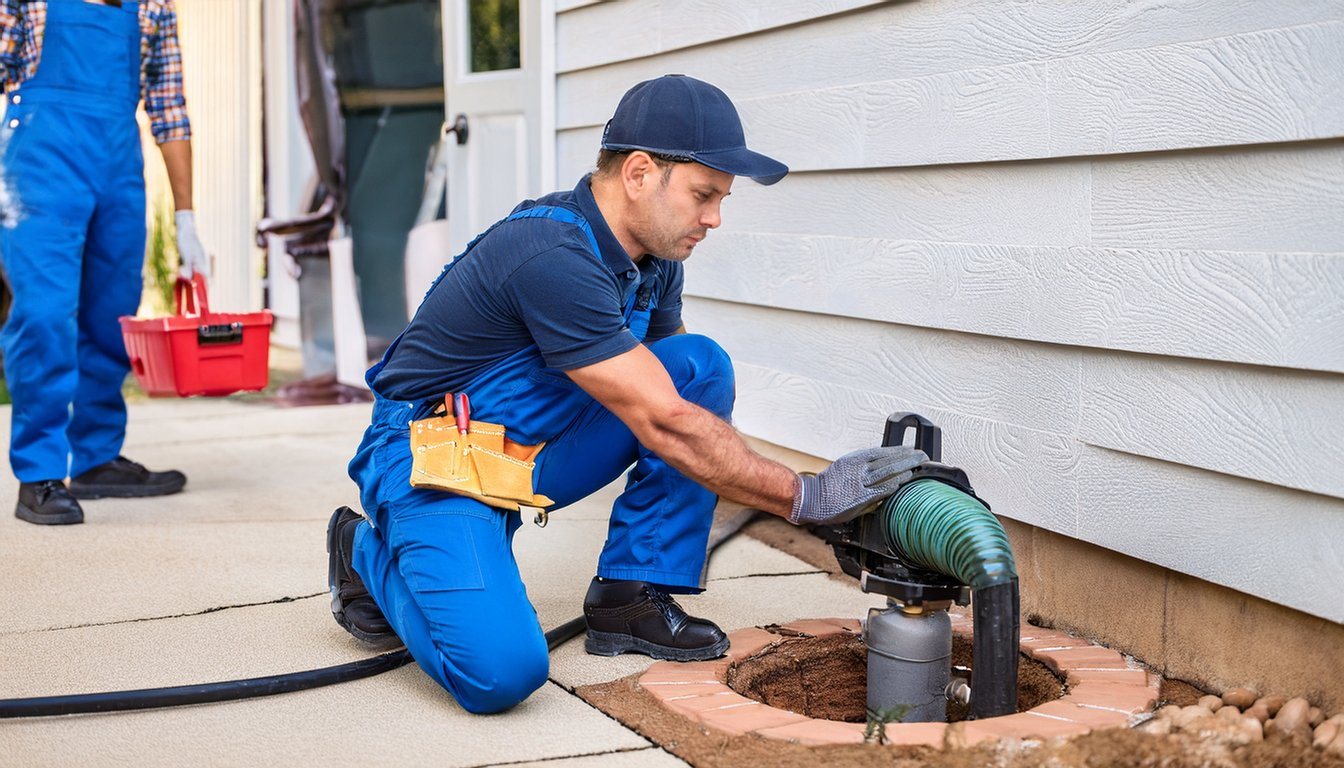
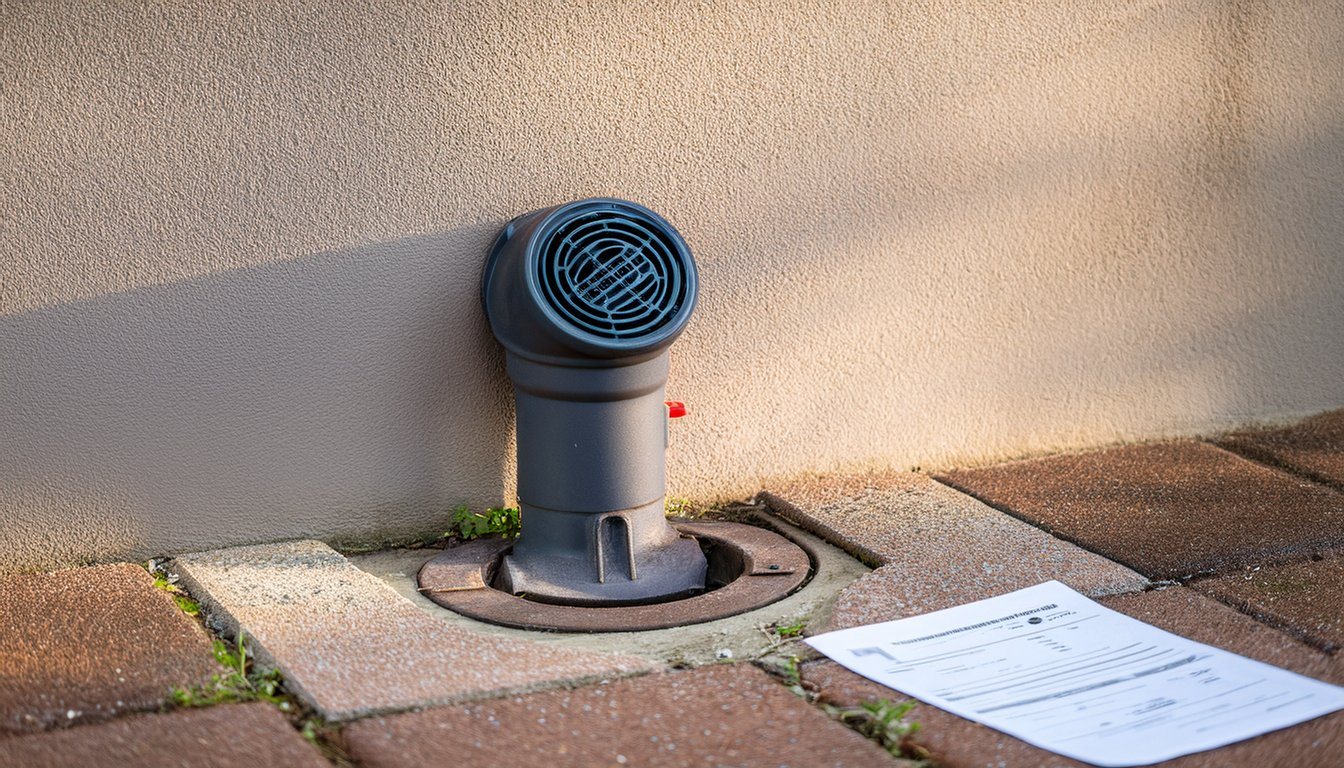
The right access point. In our experience, most sewer clearing goes through an outdoor cleanout. Without one, plumbers may work through a pulled toilet or, less often, a roof vent. Our sewer camera inspection guide covers access in more detail, and sewer cleanout costs explains adding one.
The right tool, explained. In our experience, plumbers usually start with a cable machine, sometimes called snaking, and use high-pressure water jetting for tougher clogs. Roto-Rooter, a plumbing company, puts its view plainly: "Standard mechanical sewer cleaning with a Roto-Rooter cable machine is still the best and most affordable option for residential sewers." and "Water jetting is only needed to resolve the most serious residential sewer clogs." Other plumbers jet more often. In our experience, what matters is that the plumber tells you why they chose one or the other, especially if they recommend switching to the more expensive method partway through. Our sewer backup guide covers how the two methods differ.
Proof it's flowing. Running one sink isn't a test. In our experience, a careful plumber runs several fixtures, including a toilet flush and a tub, and watches the cleanout.
A written note. The invoice should say where the blockage was, roughly how far from the access point, and what came out: roots, grease, wipes or pipe material. That note is what you'll need if the backup returns or if a repair is recommended. If the plumber offers a camera inspection after clearing the line, it's usually worth asking for the video.
Before they start: questions to ask on the phone
In our experience, five minutes of questions before the truck arrives saves most of the arguments afterward:
- Are you licensed, and under what number? Write it down and check it (see below).
- How do you price this? Flat rate or hourly, what the base price covers, and what would add to it, such as pulling a toilet, a second machine or after-hours service.
- Is a camera inspection included or separate? And will you give me the video file?
- What if the cable doesn't clear it? Do they carry a jetter, or is that a second visit?
- Who is coming? An employee of the licensed company, or a subcontractor?
- Do you need a cleanout, and do I have one? If you don't know, say so; it changes the plan.
Licenses to check
California licenses plumbers through the Contractors State License Board. Its C-36 classification says "A plumbing contractor provides a means for a supply of safe water, ample in volume and of suitable temperature for the purpose intended and the proper disposal of fluid waste from the premises in all structures and fixed works." That's the classification that covers a home's waste and sewer piping.
You may also see sewer contractors with other licenses. The C-42 sanitation system classification says a sanitation system contractor builds and installs cesspools, septic tanks, storm drains and similar sewage disposal and drain structures. That's mostly installation work, not a backup call. In our experience, some sewer replacement contractors also hold a general engineering (A) license. What matters is that the license is active and fits the work being done.
The board's consumer card is short on this point: "Check a contractor's license number online at www.cslb.ca.gov or by calling 800-321-CSLB (2752)."
What about a handyman? Since January 1, 2025, California law lets unlicensed people "complete small projects up to $1,000 without obtaining a contractor's license if they do not hire workers and no building permits are needed." The board adds that "The $1,000 includes all costs associated with the project." In our experience, a simple clog might fit; anything involving a repair, a permit or a crew doesn't. For broader vetting advice that applies to any contractor, including payment terms, see our cleanup company checklist.

Red flags
In our experience, these are the warning signs worth pausing on during or after a sewer backup visit:
- A replacement pitch before anyone has seen inside the pipe. A recommendation to dig up or replace the line should come with video, not before it.
- Won't share the video. If a camera was run, you should get the footage or at least clear still images with distances.
- Pressure to decide on a repair today. Clearing the backup is urgent; a repair usually isn't, once the line flows.
- One method only. A company that sells only trenchless lining, or only replacement, may recommend what it sells.
- Vague invoices. "Cleared main line" with no location, cause or recommendation leaves you with nothing to act on.
- Cash only, no license number on paperwork. Both make it hard to resolve a problem later.
After the backup is cleared
Once the line flows, you have time. In our experience, the useful next step is to review the video and the plumber's note, then decide between three paths: nothing more (a one-time clog from something flushed), maintenance (periodic cleaning for roots or grease) or repair. Our guides to clogged sewer line repair costs, root intrusion and sewer backup repair costs cover the options, and a backwater valve can protect against a public sewer backing up into the house.
If the same line backs up again within months, treat that as information, not bad luck. In our experience, repeat backups usually mean roots growing back through a joint, a sag in the pipe that collects debris, or a damaged section the cable passes through without fixing. Call the same plumber if you trust the first visit, and ask them to compare the new blockage location with the old one; if it's the same spot, a camera inspection and a repair conversation are usually overdue.
For a repair or replacement, get the video to at least two contractors and compare written scopes: the same length of pipe, the same method or a reason for a different one, permits, surface restoration and cleanup. That comparison, not the first number you hear, tells you whether a price is fair. Our guide to choosing among sewer line repair companies walks through it.
Medici Construction Group is one licensed option for sewer line diagnosis and repair after a backup, holding California A, B and C-10 licenses under CSLB #1114433. Whoever you call, ask them to show you where the blockage was and why it happened.
Frequently asked questions
Do plumbers fix sewer backups?
Yes. A licensed plumber clears blockages in the sewer line that serves your property, usually through a cleanout, and can inspect the pipe afterward. If the public sewer main is blocked, the sewer utility handles it instead.
Should I call a plumber or the city for a sewer backup?
It depends on which pipe is blocked. Your own line is usually a plumber's job, and the public main is the utility's. Our guide to who to call for a sewer backup walks through how to tell.
How long does a plumber take to clear a sewer backup?
In our experience, a simple blockage reached through an accessible cleanout often clears within an hour or two. No cleanout, heavy roots, grease or a collapsed section can turn it into a longer visit or a second appointment.
What license should a sewer plumber have in California?
The C-36 plumbing contractor classification covers a home's waste and sewer piping. In our experience, some sewer contractors also hold other classifications, such as a general engineering license. Check the license and classification on the CSLB website before work starts.
Can a handyman clear a sewer backup?
Only within narrow limits. California lets unlicensed people do jobs up to $1,000, including all costs, only if they hire no workers and no permit is needed. Once either applies, a licensed contractor is required.
What should I ask a plumber before they start?
Ask whether they're licensed, how they'll price the job, what's included, whether they'll camera the line after clearing it and share the video, and whether they have the equipment for roots or grease if a cable doesn't clear it.
How do I know if a plumber is overcharging for a sewer backup?
Compare written scopes, not just totals. In our experience, a fair invoice says what was done, where the blockage was and what the plumber recommends next. For a repair, get the video and a second written bid before agreeing.